
Dennisiella babingtonii
Dennisiella babingtonii
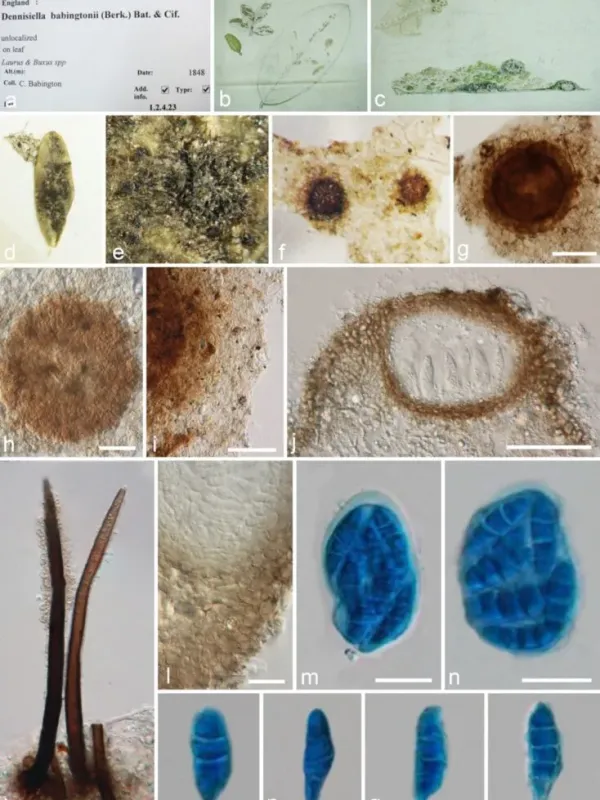
Description
Symptoms
The most prominent symptom is the appearance of a dark, soot-like film on the surfaces of leaves, stems, and sometimes fruits. This layer can range from light gray to jet black in color.
The film is typically superficial and can be wiped off with physical friction, although it becomes more tenacious as the fungal colony ages and thickens on the plant surface.
While the fungus does not cause immediate necrosis or tissue structural damage, the visual impact is substantial. Heavily infested plants may look dusty, blackened, or withered due to the loss of natural color.
In addition to the physical appearance, one may notice sticky residue under the black layer, which is the underlying honeydew secretion. This stickiness is a hallmark of the insect-fungus association.
In severe cases, the black layer can cover almost the entire foliage, leading to premature leaf drop as the plant loses its ability to respond properly to environmental stressors.
Pathogen
The causal agent of this disease is the ascomycete fungus Dennisiella babingtonii. It is classified among the sooty molds, which are epiphytic fungi that grow on the outer surfaces of plants.
The pathogen does not directly infect plant tissues. Instead, it thrives on the honeydew secreted by sap-sucking insects such as aphids, scale insects, and whiteflies, which accumulates on leaves and stems.
The fungus produces conidia, which are dispersed primarily by wind and splashing water. Once they land on a surface covered with honeydew, they germinate and form a dark, dense mycelial network.
The mycelium contains dark pigments, mainly melanin, which provide protection against high light intensity and desiccation. This adaptation allows the fungus to survive in exposed environments on the plant canopy.
Scientific evidence indicates that the presence of Dennisiella babingtonii is a biological indicator of significant insect pest populations within the garden or agricultural plot.
Conditions for development
High humidity and stagnant air are the primary environmental factors that favor the development of Dennisiella babingtonii. These conditions prevent moisture from evaporating from the leaf surface.
The availability of honeydew is the absolute limiting factor for growth. Without the presence of sucking insects, the fungus lacks the necessary nutrients to form a colony on the plant's waxy cuticle.
Optimal temperatures for the fungus range between 18°C and 25°C. Warm, humid summer days with frequent dew or rain create the perfect microclimate for mycelial expansion.
Dense foliage and poor canopy structure inhibit airflow, creating pockets of high humidity that accelerate the spread of the fungus across the plant structure.
Greenhouse environments are particularly susceptible to this disease because the controlled conditions often lack the airflow needed to dry the foliage, and insects can proliferate rapidly.
Why it matters
The primary detrimental effect is the reduction of photosynthetic capacity. The black film blocks sunlight from reaching the chloroplasts, effectively starving the plant of its primary energy source.
Weakened plants show reduced growth rates and poor fruit quality. Chronic infestation can lead to stunted development and a decrease in the overall vigor of the perennial crops.
Marketability of crops, especially fruit and ornamental plants, is significantly compromised. The presence of sooty mold makes products undesirable and often requires costly cleaning procedures.
The disease facilitates an ecosystem of pests, as the honeydew attracts ants, which in turn protect the harmful insects (aphids and scales) from their natural predators.
While not lethal in the short term, prolonged coverage increases the plant's susceptibility to other biotic and abiotic stresses, reducing its lifespan and winter hardiness.
Protection
The most effective strategy for managing Dennisiella babingtonii is the control of the primary pests. Systemic insecticides are generally used to eliminate aphids, scale insects, and whiteflies.
Cultural management involves improving tree and shrub structure through pruning. Opening the canopy increases light penetration and improves airflow, which helps keep surfaces dry.
Washing the foliage with pressurized water can help remove the sooty film and some of the honeydew, providing a temporary relief and allowing the plant to breathe again.
Copper-based fungicides or horticultural oils can be applied during the dormant season or early infestation stages to sanitize surfaces and inhibit fungal growth.
Key prevention practices include:
- Regular scouting for sucking insects on the undersides of leaves.
- Controlling ant colonies to prevent the protection of honeydew-producing pests.
- Maintaining balanced fertilization to avoid excessive vegetative growth that attracts insects.
- Ensuring proper spacing between plants to optimize ventilation.
Discussion
No discussions yet — be the first.