
Dennisiella
Dennisiella
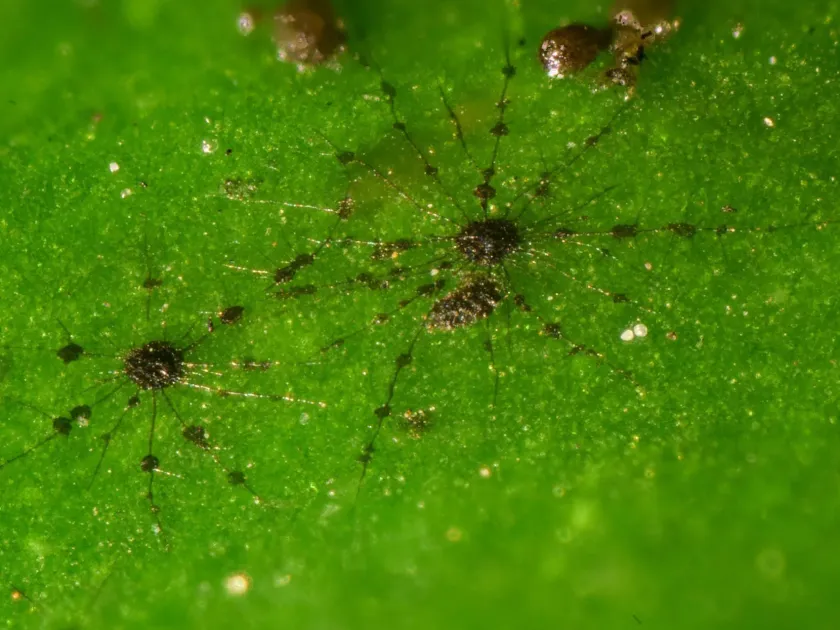
Description
Symptoms
The primary symptom of a Dennisiella infection is the formation of dense, dark, often black or dark-brown velvety colonies on the surfaces of plant tissues. These colonies can appear on leaves, young shoots, and fruits.
The fungus attaches itself firmly to the epidermis, forming a dark film that is clearly visible to the naked eye. Unlike some other superficial fungi, these colonies create a solid layer that interferes with the normal physiological functions of the plant.
Affected tissues often exhibit signs of chlorosis or a pale green appearance due to the blockage of light reaching the surface cells. This prevents the plant from performing photosynthesis at its optimal capacity.
In cases of severe infestation, the leaves may become brittle, deformed, and show signs of necrosis. Fruits covered with these fungal colonies lose their marketability and may have a shortened shelf life due to the physical damage to the skin.
Under a microscope or magnifying glass, one can observe the characteristic fruiting bodies of the fungus developing within the epidermal layer. The presence of these structures confirms the identification of the pathogen.
Pathogen
The pathogen responsible for this condition is a microscopic ascomycetous fungus belonging to the genus Dennisiella. These fungi are adapted to live on the surfaces of plants, often utilizing the waxy cuticle as their primary habitat.
The fungus spreads via spores, which are easily transported by wind, rain splashes, and human activity such as pruning or orchard maintenance. These spores are highly resistant to environmental stress, allowing the fungus to survive between growing seasons.
Dennisiella follows a life cycle characterized by the vegetative growth of mycelium across the host's surface. Once established, the fungus can produce new spores, leading to rapid spread under favorable conditions.
These fungi belong to the order Capnodiales, sharing many characteristics with black mildews. They possess a high tolerance to UV radiation, which enables them to thrive on exposed parts of trees like the outer leaves.
While often considered superficial, the fungus behaves as a facultative parasite. Its presence is not merely aesthetic, as it alters the micro-environment of the leaf surface and can lead to secondary issues.
Conditions for development
The development of Dennisiella is strongly favored by high relative humidity and prolonged leaf wetness. Environments with poor air circulation are particularly prone to outbreaks, especially in dense or unpruned orchards.
Temperature plays a crucial role, with the range between 18°C and 25°C being optimal for spore germination and mycelial growth. Fluctuations between warm days and cool, damp nights often exacerbate the severity of the infection.
Orchards with high levels of debris and old wood provide a continuous reservoir for the fungus. If these materials are not managed or removed, spores will persist and re-infect the trees during the following season.
Artificial irrigation systems, particularly overhead sprinklers, can promote the spread if used in the evening. Water remaining on leaves throughout the night creates an ideal incubator for the fungal colonies to proliferate.
Plants weakened by poor nutrition, water stress, or previous pest attacks are more susceptible to colonization. A robust tree with a strong immune system and proper sunlight penetration is less likely to suffer from significant outbreaks.
Why it matters
The main damage caused by Dennisiella is the inhibition of photosynthesis. By physically covering the leaf surface, the fungus deprives the plant of necessary light, which is essential for producing energy and storing carbohydrates.
Infected fruits suffer from reduced visual appeal and potential degradation of their protective outer layer. This damage makes them susceptible to further secondary rot pathogens and significantly reduces their economic value.
Continuous colonization of stems and branches can weaken the plant, resulting in reduced vigor and stunted growth. The overall productivity of the tree declines, which is particularly detrimental in fruit-bearing cultivars.
The infection can induce premature leaf drop, which hinders the tree's ability to prepare for dormancy. This impact on winter hardiness can increase the risk of frost damage in the following months.
Economic losses arise not only from reduced crop quality but also from the ongoing costs of monitoring and applying protective treatments to manage the fungal population within the orchard.
Protection
Cultural practices are the first line of defense against Dennisiella. Regular pruning to open up the canopy ensures better airflow and sunlight penetration, which helps keep leaf surfaces dry.
Chemical control involving fungicides, particularly those based on copper, is effective in managing the fungal colonies. These should be applied as a preventative measure during periods of high humidity.
Sanitation is essential; all infected twigs and fallen leaves must be removed and destroyed to minimize the inoculum level in the orchard. Keeping the orchard floor clean is a vital step in breaking the disease cycle.
Balancing nutrient intake improves the overall health of the trees, making them more resilient. Avoiding excessive overhead watering is another key tactic to reduce the amount of time the plant remains wet.
Integrated pest management strategies are recommended:
- prune trees to improve air movement;
- apply copper-based fungicides when symptoms appear;
- remove and destroy all plant debris;
- monitor for insects that produce honeydew;
- maintain optimal plant spacing.
Discussion
No discussions yet — be the first.