
Sudden death of clove trees
Cytospora eugeniae
Description
Symptoms
The most prominent symptom is the rapid yellowing and wilting of foliage, which can start on a single branch and quickly engulf the entire tree.
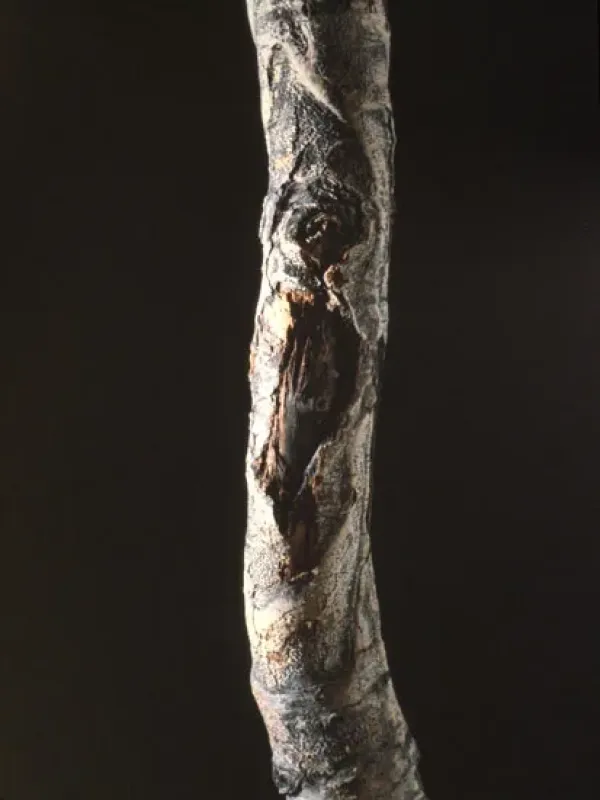
Bark inspection reveals distinct necrotic lesions that appear dark and sunken, often accompanied by longitudinal cracking.
Gummosis, or the secretion of sticky sap, is frequently observed at the sites of infection as the tree attempts to wall off the pathogen.
Peeling the bark away in affected areas typically reveals discolored, dark wood, indicating deep tissue colonization by the fungal hyphae.
The onset of symptoms is often so rapid that death can occur within a few weeks of the first signs of wilting in the crown.
Pathogen
The disease is caused by the fungus Cytospora eugeniae, which belongs to the class Ascomycota. This pathogen specifically targets trees in the Syzygium genus, particularly clove trees.
It is characterized as a vascular wilt and bark necrosis disease that severely compromises the plant's structural and physiological integrity.
The pathogen gains entry into the host plant primarily through wounds in the bark, pruning cuts, or damage caused by boring insects.
Once inside, the mycelium spreads throughout the vascular system, clogging the xylem vessels and releasing phytotoxins that induce rapid wilting.
The biological cycle of the fungus is highly adapted to humid environments, where it produces numerous spores that facilitate rapid secondary infections.
Conditions for development
The development of Cytospora eugeniae is strongly promoted by high relative humidity and prolonged rainfall, which are typical of clove-growing regions.
Favorable temperatures in tropical climates allow the fungus to remain active and sporulate throughout the entire year.
Poor agricultural practices, such as using unsterilized tools for pruning, serve as a primary vector for the transmission of the fungus between trees.
Trees that are nutritionally stressed or physically damaged by pests are significantly more susceptible to successful colonization by the pathogen.
Insufficient spacing between trees leads to stagnant air and high moisture levels in the lower canopy, favoring the buildup of the fungal inoculum.
Why it matters
Sudden death of clove trees is a devastating condition for the spice industry, as it can cause large-scale loss of mature, high-yielding trees.
The economic impact is profound due to the long maturation period of clove trees, making the loss of an orchard difficult to recover from quickly.
Because there is no effective curative treatment for systemic infections, the disease can wipe out entire plantations if not strictly managed.
The pathogen is highly persistent, and infected wood can continue to act as a source of spores for years if not destroyed properly.
Large-scale mortality reduces the overall profitability of farms and necessitates the complete removal and replacement of susceptible tree stands.
Protection
Sanitation is the cornerstone of control; it involves the immediate identification, removal, and destruction of infected trees and branches.
Rigorous sterilization of pruning shears and other tools using disinfectants between each cut is mandatory to prevent the spread of the fungus.
Applying protective fungicides or pruning paints to all wounds can help prevent the entry of spores into healthy tissues.
Orchard management should focus on maintaining tree vigor through balanced fertilization and appropriate pest control to minimize stress.
- Regular inspection of the orchard for early bark lesions.
- Safe disposal of all infected woody debris by burning.
- Strict adherence to sanitation protocols for all farm equipment.
Discussion
No discussions yet — be the first.