
Cystostereaceae
Cystostereaceae
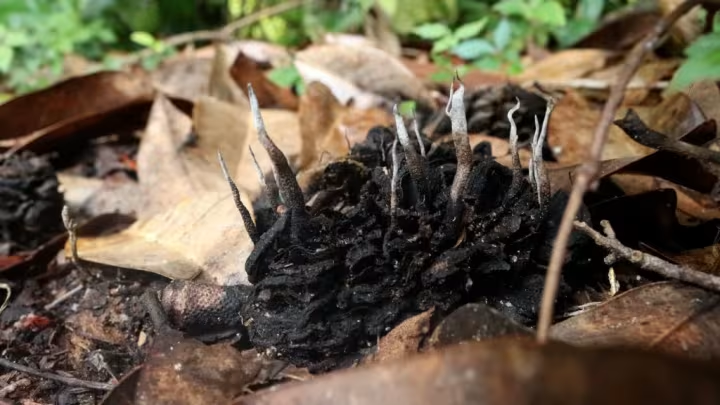
Description
Symptoms
The most visible sign of infection is the emergence of distinct, leathery or crust-like fungal fruiting bodies on the bark of trunks and major branches.
Affected bark may exhibit discoloration, significant cracking, or shedding, which serves as a pathway for the fungus to penetrate deeper into the sapwood.
Internal wood decay often presents as a change in color or texture, indicating a loss of structural density and the degradation of the plant's internal anatomy.
The foliage of infected trees often shows signs of chlorosis, premature wilting, and reduced overall vigor, reflecting the plant's inability to transport nutrients effectively.
- Fungal fruiting bodies (basidiomes) on trunks.
- Bark necrosis, cracking, and peeling.
- Internal discoloration and softening of wood.
- Crown thinning and branch dieback.
- Increased risk of branch breakage.
Pathogen
Cystostereaceae is a family of basidiomycete fungi primarily characterized as wood-decaying pathogens that thrive on the tissues of various tree species.
These fungi function as xylotrophs, utilizing specialized enzymes to decompose lignin and cellulose, which are the fundamental structural components of plant wood.
The disease process begins when fungal spores infiltrate the host through wounds, frost cracks, or improper pruning cuts, initiating the growth of mycelium.
Once established, the fungal colony expands within the woody tissues, gradually compromising the plant's vascular system and metabolic processes.
They represent a persistent threat to woody vegetation, as their reproductive structures (basidiomes) can remain viable for extended periods, spreading spores across the environment.
Conditions for development
High humidity and consistent moisture are essential environmental conditions that facilitate the germination and subsequent spread of fungal spores.
Moderate temperatures during the growing season create an optimal climate for the rapid colonization of mycelium within the host's woody tissues.
Weakened trees, whether due to pest infestations, drought, or nutrient deficiencies, are significantly more susceptible to successful fungal colonization.
Poor orchard sanitation, such as leaving fallen debris or unpruned diseased branches, provides a reservoir for inoculum, ensuring the disease remains prevalent.
Dense planting schemes that limit airflow and sunlight penetration keep humidity levels high, creating a microenvironment highly conducive to fungal outbreaks.
Why it matters
The primary harm caused by Cystostereaceae is the progressive degradation of wood, which severely reduces the structural integrity and stability of the tree.
As the conductive tissues fail, the plant cannot adequately supply its canopy, leading to a massive reduction in fruit quality, yield, and overall productivity.
In advanced stages, the disease renders trees susceptible to windthrow and structural failure, often requiring the complete removal of affected specimens.
The presence of these fungi creates a continuous source of infection, threatening nearby healthy plants and necessitating rigorous management to contain the spread.
Financial losses occur not only through fruit loss but also through the increased labor and investment required for pruning, treatment, and potential tree replacement.
Protection
The most effective strategy is a proactive approach: perform precise pruning during dormant periods and immediately seal all cuts with fungicidal pastes.
Maintaining tree vigor through balanced fertilization and proper irrigation helps bolster the plant's natural immune response against fungal infiltration.
When localized fruiting bodies are detected, they must be removed along with the underlying infected wood, followed by strict disinfection of all pruning tools.
Applying copper-based fungicides in early spring and autumn helps to inhibit spore germination on the bark surface and prevents new infections from starting.
Regular monitoring of orchards and gardens allows for early detection of symptomatic trees, preventing the disease from reaching a point where eradication becomes impossible.
Discussion
No discussions yet — be the first.