
Cystolepiota
Cystolepiota
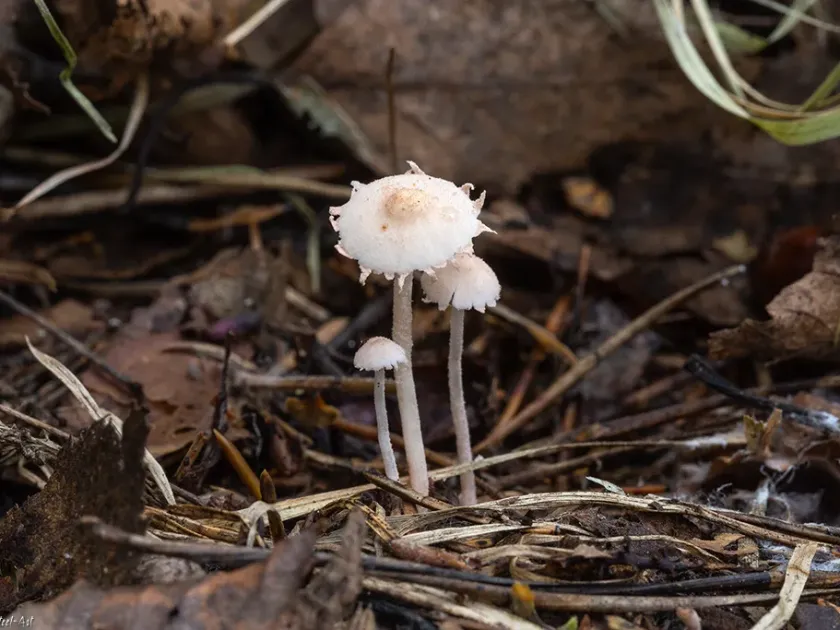
Description
Pathogen
The genus Cystolepiota consists of gilled mushrooms within the Agaricaceae family. While not primary plant pathogens, these fungi are often encountered in agriculture as competitors in mushroom cultivation or as saprophytes in organic-rich substrates.
Biologically, these fungi are characterized by their small size and the presence of sphærocysts on the pileus surface, which gives them a powdery or granular appearance. They function as decomposers, breaking down complex organic matter into simpler forms.
The life cycle of Cystolepiota involves the rapid colonization of organic media by mycelium followed by the production of fruiting bodies that disperse spores into the environment.
Because they are efficient at exploiting available nutrients, they can quickly overtake environments designed for the cultivation of other fungi, such as agaricus species, thereby acting as opportunistic intruders.
Understanding the taxonomy of this genus is crucial for mycologists, as these fungi often occupy niches similar to other soil-dwelling organisms in greenhouses and mushroom production facilities.
Conditions for development
Cystolepiota thrives in environments characterized by high humidity, typically above 70%, and moderate temperatures ranging from 18°C to 25°C.
These fungi proliferate in substrates that have not been adequately pasteurized or in soils with an accumulation of decomposing organic debris. A lack of proper aeration in cultivation chambers creates a stagnant microclimate that favors their growth.
The presence of easily digestible carbon sources, combined with improper sanitation practices, provides the necessary energy for rapid mycelial expansion of the genus.
Seasonal factors, particularly periods of increased moisture, significantly enhance the potential for spore germination and colony establishment in both outdoor and indoor settings.
Poor ventilation systems that fail to regulate moisture levels contribute to the formation of surface condensation, which is a key trigger for the onset of fungal development in commercial growing units.
Why it matters
The primary harm caused by Cystolepiota is its competitive nature, which displaces desired fungal crops. By consuming nutrients in the substrate, these fungi deprive the intended crop of the resources required for growth.
Economic losses arise from reduced yields and the lower quality of produce caused by the presence of these fungi in the growing medium, necessitating the disposal of contaminated batches.
Their enzymatic activity can alter the substrate pH, creating a hostile environment for other cultivated species and interfering with normal developmental processes.
In addition to competitive harm, the presence of unidentified fungi in agricultural production areas necessitates increased labor and material costs for remedial sanitation and decontamination efforts.
Although they do not typically infect living plant tissues, their presence in greenhouse soils often indicates poor management of organic waste, which can mask the risks of other, more harmful pathogens.
Protection
Effective management begins with rigorous substrate preparation protocols, including thorough pasteurization to eliminate any pre-existing fungal spores and contaminants.
Maintaining strict hygiene throughout the growing facility is paramount; this includes the use of sterilized tools, protective clothing, and the periodic disinfection of walls, floors, and equipment.
Controlling the microclimate through automated ventilation systems ensures that humidity levels do not reach the threshold that favors the rapid colonization of saprophytic fungi.
- Promptly identify and remove any fungal fruit bodies to prevent further spore dispersal.
- Use certified spawn to ensure the integrity of the substrate against competitors.
- Implement routine air filtration maintenance to capture airborne fungal spores.
Preventive measures also include the exclusion of pests, such as fungus gnats and mites, which can transport spores of Cystolepiota from contaminated areas to healthy crops.
Discussion
No discussions yet — be the first.