
Cystoderma superbum
Cystoderma superbum
Description
Symptoms
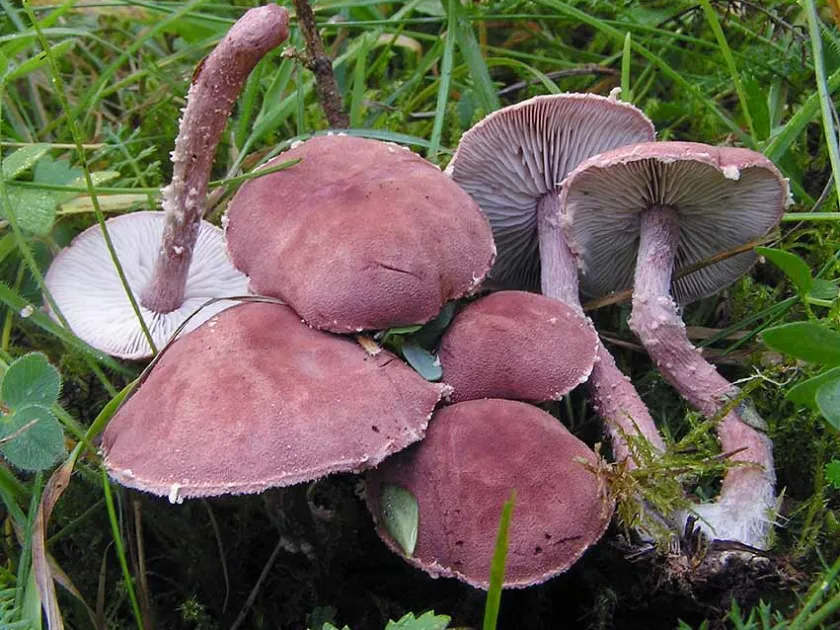
Cystoderma superbum is a distinct species within the Agaricaceae family. The fruit bodies are relatively small, often blending into the forest floor, which makes them a subject of interest for mycologists and nature enthusiasts.
The cap typically displays a rich reddish-brown or purple-brown hue. Its surface is characterized by a granular or fine-scaly texture, created by remnants of the veil that covers the young mushroom before it expands.
The gills are attached to the stem and are generally pale, ranging from white to cream colors. As the fungus matures, the gill structure remains a key diagnostic feature for distinguishing it from other similar species in the genus.
The stipe or stem is usually slender and may possess a ring or annular zone. In some mature specimens, this ring may become fragile and less visible, blending into the fibrous texture of the stem surface.
Microscopic features, such as spore size and the specific shape of the cuticle cells, are often necessary to confirm the identity of Cystoderma superbum. These technical details help differentiate it from other members of the Cystoderma genus.
Pathogen
It is important to clarify that Cystoderma superbum is not a plant pathogen. It is a saprotrophic organism, meaning it feeds on dead organic matter rather than attacking living plant tissues in agricultural or horticultural settings.
This fungus does not cause any diseases in crops, vegetables, or ornamental plants. It plays a vital role in natural forest ecosystems by decomposing woody debris and leaf litter, which facilitates nutrient cycling.
Unlike parasitic fungi that infect plants and cause systemic damage, the mycelium of this species is confined to the soil and decaying organic layers. It lacks the mechanisms to penetrate living plant cells or disrupt their growth.
From an agronomic perspective, there is no risk associated with this fungus. It should not be considered a target for chemical or biological control methods as it does not pose a threat to plant health or economic crops.
Its biological activity is purely beneficial within a forest environment, contributing to soil fertility and ecosystem health. Any concerns regarding it being a disease agent are based on a misunderstanding of its ecological niche.
Conditions for development
Cystoderma superbum thrives in habitats with high humidity and significant amounts of organic litter, particularly in coniferous or mixed forest areas. These conditions provide the necessary moisture and substrate for mycelial growth.
Temperature plays a crucial role in the development of fruit bodies. The fungus typically manifests during cool and damp periods, often in the late summer or autumn when the soil moisture content is consistently high.
The species has a preference for acidic soil environments where organic matter accumulates at a steady rate. Such environments allow the fungus to effectively break down cellulose and lignin, which are its primary food sources.
Human activities that alter soil moisture or destroy the leaf litter layer can have a detrimental effect on the local population. Protecting the integrity of the forest floor is essential for the survival of this species.
Dispersal is primarily mediated by wind, which carries spores to new, suitable locations. Successful colonization depends on the presence of stable environmental conditions and appropriate decaying organic material to support the new fungal colony.
Discussion
No discussions yet — be the first.