
Cystoderma simulatum
Cystoderma simulatum
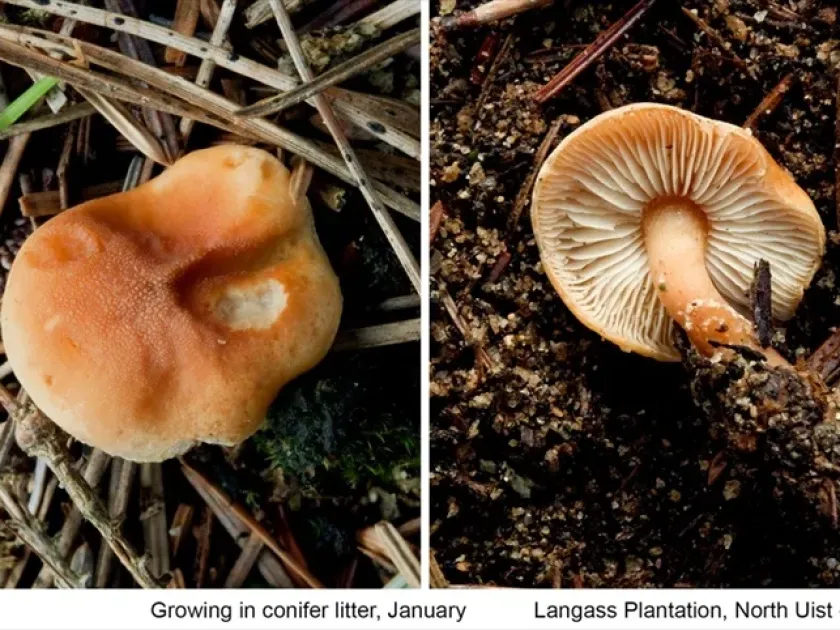
Description
Pathogen
Cystoderma simulatum is a fungal species belonging to the Agaricaceae family. While primarily recognized as a saprotrophic fungus involved in the decomposition of organic matter, under specific agricultural conditions, it can behave as a facultative pathogen.
The fungus is a basidiomycete that relies on organic substrates for its survival. However, when agricultural environments are altered—for instance, by waterlogging or soil degradation—the mycelium can colonize the weakened roots or stems of cultivated plants.
The pathogenicity of Cystoderma simulatum is linked to its enzymatic activity. It produces specialized enzymes capable of breaking down cellulose in plant cell walls, which leads to tissue necrosis and the eventual collapse of the infected plant parts.
Morphologically, the fungus is identified by the specific structure of its hyphae and sporocarps. In laboratory settings, it is cultured on nutrient agar to confirm its identity, as it can often be mistaken for other common soil-borne fungal pathogens.
Dissemination occurs mainly through spores, which are easily transported by air currents, irrigation water, or contaminated farm equipment. The fungus remains viable in the soil for several years by persisting on crop residues.
##signs##Infection symptoms typically manifest in the lower stem region or near the root zone. Initially, small, irregular, brownish spots appear, which gradually expand and undergo soft rotting as the infection progresses.
Under high-humidity conditions, a white or grayish mycelial mat may develop on the surface of the affected plant tissue. This sign is most visible during early morning hours when atmospheric moisture is at its highest.
Plants affected by the pathogen show signs of wilting, starting from the lower leaves. As the root system becomes compromised due to necrotic lesions, the plant's ability to absorb water and essential nutrients is significantly impaired.
A distinctive, musty fungal odor often accompanies severe infections. If left untreated, the pathogen can spread rapidly through the field, causing localized patches of stunted or dying plants that eventually collapse.
In young seedlings, the pathogen causes damping-off, leading to rapid tissue collapse and death. In mature plants, the infection results in stunted growth and the formation of deformed organs, which reduces the final crop quality.
Conditions for development
The development of Cystoderma simulatum is highly dependent on moisture levels. High humidity exceeding 80% and waterlogged soil conditions created by poor field drainage provide an optimal environment for spore germination.
Temperature plays a crucial role, with the pathogen showing the most aggressive growth at temperatures between 15°C and 22°C. Sustained periods of cool, wet weather are particularly favorable for the establishment of the disease.
Soil pH levels also influence disease severity. Acidic soils tend to promote the activity of this fungus, making liming an essential agronomic practice to adjust soil chemistry and suppress pathogen growth.
The presence of abundant crop residues on the soil surface acts as a food source for the fungus. Failing to incorporate residues deeply into the soil during tillage creates a bridge for the pathogen to persist from one growing season to the next.
High planting density reduces airflow within the canopy, creating a microclimate characterized by stagnant air and constant moisture. Such conditions facilitate the rapid spread of spores and increase the frequency of infection events.
Why it matters
The primary harm caused by Cystoderma simulatum is the reduction in plant vigor and photosynthetic efficiency. By attacking the vascular tissues, the fungus limits the plant's ability to allocate resources, leading to decreased yields.
In grain crops, the infection manifests as root rot, which compromises the structural integrity of the stem. This significantly increases the risk of lodging, especially during adverse weather conditions, which complicates mechanical harvesting.
The quality of the harvested product is often negatively impacted. Grains or fruits harvested from infected fields show lower mass and reduced viability, and their shelf life is often compromised during storage.
Economic impacts include direct yield losses and increased production costs due to the need for prophylactic fungicide applications. In regions where the climate favors this pathogen, yield reductions can reach 20-30%.
The long-term persistence of the pathogen in the soil imposes limitations on crop rotation. Fields contaminated with this fungus require intensive management to reduce the inoculum level before susceptible crops can be reintroduced.
Protection
Implementing a strict crop rotation schedule is the most effective way to break the life cycle of Cystoderma simulatum. Rotating away from susceptible hosts for at least three to four years helps lower the pathogen load in the soil.
Good agricultural practices, such as proper field drainage and regular deep tillage, are essential. Incorporating organic matter into the soil and ensuring proper aeration helps in the natural decomposition of crop residues, reducing potential habitats for the fungus.
Fungicide applications are recommended when disease monitoring reveals early stages of infection. Systemic fungicides, particularly those containing triazoles, can effectively inhibit mycelial growth if applied promptly.
Seed treatment with high-quality fungicides provides protection to seedlings during the early, most vulnerable developmental stages, reducing the risk of early-season soil-borne infections.
Maintaining a balanced nutritional profile, especially avoiding excessive nitrogen, helps improve plant resistance. Robust and healthy plants are significantly more capable of resisting fungal penetration and sustaining growth under environmental stress.
Discussion
No discussions yet — be the first.