
Curvularia leaf spot
Curvularia verruculosa
Description
Symptoms
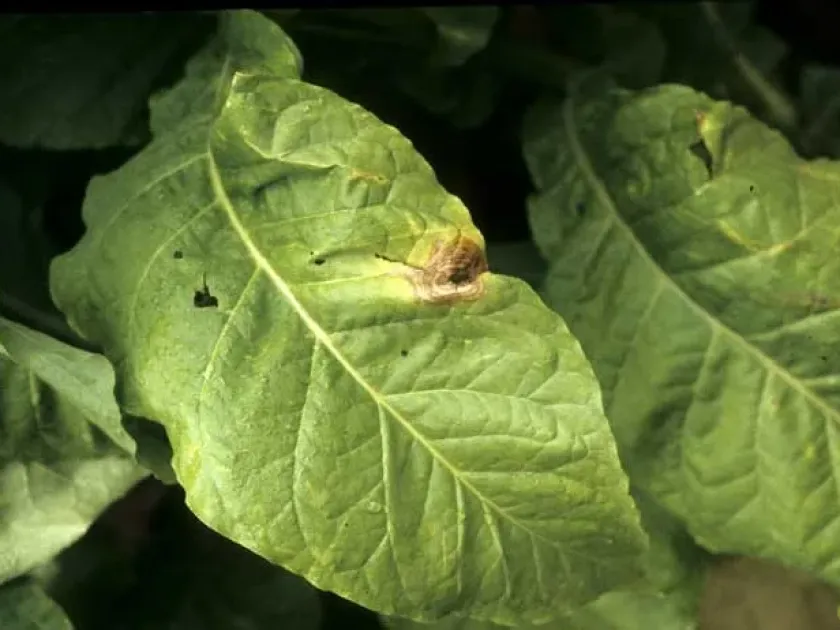
Symptoms typically begin as small, discolored lesions on the leaves. These lesions eventually develop into necrotic spots, which are often oval or irregular in shape with dark brown or black margins.
Under high humidity, a characteristic velvety, dark olive-colored growth appears on the leaf spots. This growth consists of the sporulating structures of the fungus, confirming the presence of the infection.
In seedling stages, the infection can cause dark discoloration and rotting of the coleoptile and roots, leading to "damping-off" or severely stunted growth of the young plant.
When the infection spreads to the panicles or ears of the crop, it results in the discoloration of the grain and the glumes. Severe infestations can cause the grain to shrivel and become lightweight.
As the disease progresses, necrotic areas may coalesce, covering large parts of the leaf surface, which leads to premature senescence and a reduced photosynthetic capacity of the plant.
Pathogen
The causative agent of the disease is the fungus Curvularia verruculosa, a member of the dematiaceous hyphomycetes. It is an opportunistic pathogen that thrives in various soil types and decaying organic matter.
The fungus produces septate, pigmented mycelium and multicellular conidia. These spores are typically curved and characterized by dark pigmentation, which is a key identification marker for this genus.
This pathogen has a broad host range, infecting many grain crops, such as wheat, corn, rice, and various grasses. It is often found in both tropical and temperate agricultural systems worldwide.
Curvularia verruculosa survives in the soil and on crop residues as hardy chlamydospores or dormant mycelium, allowing it to persist throughout the year even in the absence of a living host.
The spread of the disease is primarily facilitated by wind-borne conidia or water splashes during rainy weather, which transport the spores onto the healthy foliage of neighboring plants.
Conditions for development
The disease flourishes in warm and humid climates. The optimal temperature range for the growth of Curvularia verruculosa is between 20°C and 30°C, combined with high relative humidity.
Extended periods of leaf wetness, caused by frequent rain, dew, or overhead irrigation, are essential for the germination of spores and their subsequent penetration into the plant epidermis.
Monocropping and the failure to remove infected crop debris from the previous season provide a continuous source of inoculum, significantly increasing the pressure of the disease.
Dense crop stands reduce air circulation, trapping humidity within the canopy and providing an ideal microenvironment for the rapid spread of the fungal pathogen.
Plants under physiological stress—due to nutrient deficiencies, insect damage, or herbicide phytotoxicity—are significantly more susceptible to successful infection by this fungus.
Why it matters
The primary economic impact of Curvularia leaf spot is the reduction of crop yield due to extensive leaf damage and the subsequent loss of photosynthetic efficiency in the plant.
Infection during the early growth stages results in poor stand establishment, lower germination rates, and the need for costly replanting in severely affected field patches.
The presence of the fungus in grains reduces their commercial value, as infected grain may be discolored, smaller in size, and potentially contaminated with fungal secondary metabolites.
In cases of severe outbreaks, the entire field's harvest quality can be compromised, leading to significant financial losses for the producer and potential restrictions on the use of the grain.
The pathogen can also reduce the plant's overall vigor, making it more prone to secondary infections from other pathogens, further exacerbating the cumulative crop damage.
Protection
Effective management begins with robust cultural practices, such as the implementation of diversified crop rotation to break the life cycle of the pathogen in the soil.
Sanitation is crucial; burying or removing crop residues after harvest significantly reduces the carry-over of inoculum for the next planting season.
Using certified, healthy seeds treated with appropriate systemic fungicides is a fundamental step to prevent primary infection and ensure better germination rates.
Fungicide applications, particularly those containing strobilurins or triazoles, are effective when applied preventively or at the earliest signs of disease in the field.
- Maintain balanced soil fertility to promote plant health.
- Control weeds that may serve as alternative hosts.
- Select resistant or tolerant crop cultivars where available.
- Improve field drainage to prevent localized humidity build-up.
Discussion
No discussions yet — be the first.