
Curvularia leaf spot
Curvularia papendorfii
Description
Symptoms
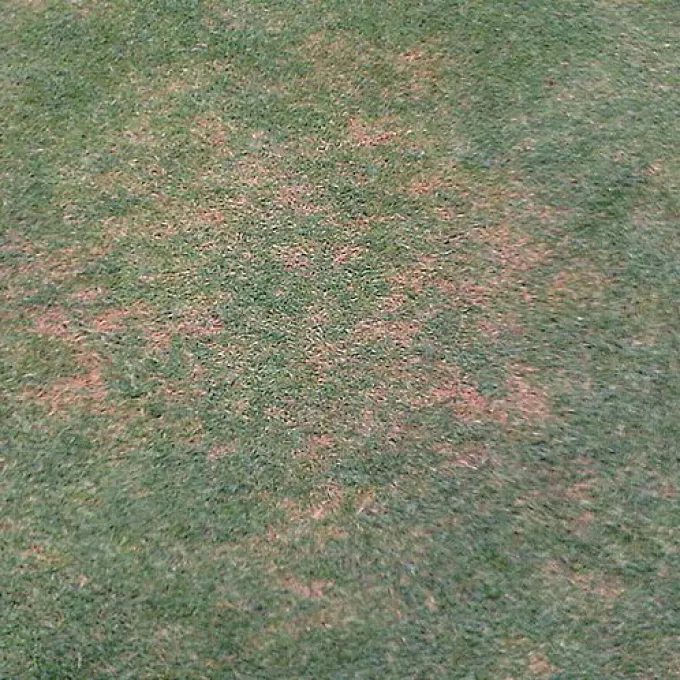
Typical symptoms include small, oval-shaped spots on leaves, which gradually enlarge to form necrotic lesions. These spots often feature a light brown center surrounded by a dark margin or a yellow chlorotic halo.
Under high humidity, a characteristic dark, velvety growth appears on the lesions, representing the sporulation of the fungus. This visual indicator is a diagnostic key for identifying the disease during field inspections.
Infection can spread to stems and, in severe cases, the panicle or grain heads. Affected seeds may show discoloration, shriveling, or reduced germination vigor, which directly affects the establishment of the next crop.
Premature leaf senescence and death are common outcomes of progressive infection. As the photosynthetic capacity of the plant declines, the overall vitality of the crop is severely compromised, leading to growth stunting.
Early diagnosis is challenging, as the initial symptoms can be mistaken for other leaf-spotting diseases. Detailed microscopic analysis is often required to confirm Curvularia papendorfii specifically as the causal agent.
Pathogen
The disease is caused by the fungus Curvularia papendorfii, an anamorphic fungus known for its significant impact on various agricultural crops. This pathogen is characterized by its adaptability and ability to persist in diverse environmental conditions.
The fungus produces conidia, which serve as the primary inoculum for dissemination through air currents and water splashes. Once landing on a susceptible host, the spores germinate and penetrate plant tissue, often aided by specific enzymatic secretions.
Curvularia papendorfii is a soil-borne and seed-borne pathogen, meaning it can survive in crop debris or remain dormant in seeds for extended periods. This persistence makes it a recurring challenge in fields with improper residue management.
Genetic variability among different strains of the fungus allows it to adapt to varying host resistance mechanisms. This makes the development of resistant varieties a complex task for plant breeders and pathologists.
The life cycle of the pathogen is highly dependent on environmental conditions, but its general robustness allows it to endure unfavorable intervals in the field. Understanding its biological cycle is essential for designing effective protection programs.
Conditions for development
The development of the disease is heavily influenced by warm and humid weather patterns. High humidity levels, combined with temperatures ranging from 20°C to 28°C, provide optimal conditions for fungal infection and conidial germination.
Dense canopies and poor air circulation in the field create a microclimate that traps moisture, facilitating the spread of the disease. Consequently, crops sown at high densities are often more susceptible to outbreaks.
Plant stress, whether caused by nutrient deficiencies, drought, or waterlogging, significantly lowers the host's resistance. Stressed plants are unable to mount an effective defense, making them prime targets for the pathogen.
Fields with high levels of crop residue provide a perfect survival niche for the fungus. If residues are not properly incorporated into the soil, they serve as a continuous source of inoculum for subsequent growing seasons.
Fluctuating moisture levels, particularly persistent dew or frequent light rainfall, act as a catalyst for epidemic development. The availability of free moisture on the leaf surface is a prerequisite for successful infection.
Why it matters
The primary economic harm caused by this disease is the reduction in grain yield due to impaired plant health. The destruction of photosynthetic tissue limits the amount of energy available for grain filling and maturation.
Seed-borne infection results in reduced germination rates and weakened seedlings, necessitating higher seeding rates or costly replanting efforts. This affects both the yield quantity and quality parameters of the harvest.
In addition to yield losses, the infection can degrade the quality of harvested produce, leading to storage issues. The fungus can continue to proliferate on stored grain if moisture levels are not strictly controlled.
The economic impact also includes the increased operational costs associated with fungicide applications and disease management strategies. The need for multiple interventions further strains the profitability of the agricultural enterprise.
Overall, Curvularia leaf spot contributes to the degradation of the seed stock quality over time. Consistent monitoring and management are required to maintain high standards of agricultural production in infested regions.
Protection
The use of high-quality, certified, and fungicide-treated seeds is the foundation of effective control. Seed treatments are crucial for eliminating initial inoculum before the crop is even established in the field.
Implementing a diverse crop rotation is highly recommended to disrupt the life cycle of the pathogen. Avoiding susceptible crops in succession helps to lower the soil-borne fungal population over time.
Cultural practices, such as deep plowing to bury infested crop debris, can significantly reduce the potential for primary infection. Maintaining field hygiene and controlling weeds that may act as alternative hosts is equally important.
Fungicide application during the early vegetative stages, guided by disease scouting, can prevent the transition from a minor infection to a widespread epidemic. Selecting products with appropriate systemic activity is vital.
- Monitor crops regularly, especially during periods of wet weather.
- Optimize nutrient management to prevent crop stress.
- Maintain proper plant spacing to improve field aeration.
- Harvest as soon as maturity is reached to avoid late-season infection.
Discussion
No discussions yet — be the first.