
Cudoniella tenuispora
Cudoniella tenuispora
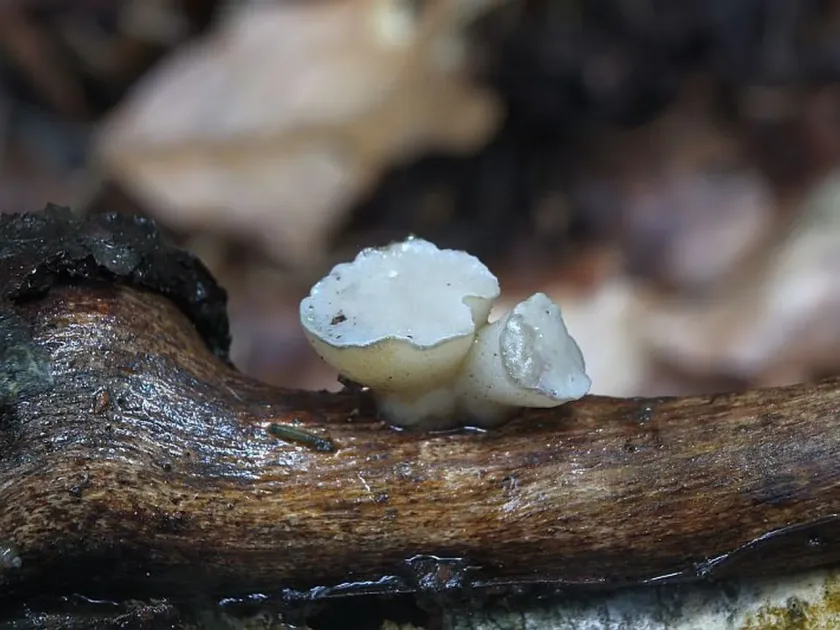
Description
Pathogen
Cudoniella tenuispora is a fungal species belonging to the order Helotiales. While primarily acting as a saprotroph that decomposes organic matter in damp environments, it can behave as an opportunistic pathogen when conditions favor its infection of weakened plant tissues.
The pathogen is characterized by the production of small, cup-shaped fruiting bodies (apothecia) on decaying wood or plant debris. Its spores are notably slender, facilitating efficient dispersal by wind and water droplets across agricultural fields.
The biological cycle involves the degradation of cellulose, allowing the fungus to thrive on fallen leaves, stems, and other decaying biomass. Under high moisture, it may opportunistically colonize the injured parts of live plants, establishing a secondary infection.
Survival is maintained through the resilience of its mycelium, which persists in soil or organic residues during unfavorable periods. This persistence allows the fungus to remain a latent threat in areas with poor crop sanitation.
The specialization of Cudoniella tenuispora enables it to occupy ecological niches characterized by high humidity, where it competes effectively for nutrients, often outperforming less adaptable micro-organisms.
Conditions for development
The development of Cudoniella tenuispora is strictly dependent on environmental humidity. Relative humidity levels exceeding 85% and moderate temperatures ranging between 15°C and 22°C are optimal for its rapid mycelial growth and spore germination.
Excessive soil moisture caused by poor irrigation management or insufficient soil drainage creates an ideal breeding ground for the pathogen. In such conditions, the fungus can proliferate and saturate the immediate environment of the host plant.
Dense crop stands often result in restricted airflow and localized increases in humidity. This creates a specific microclimate that shields the fungus from drying out and promotes successful colonization of the lower parts of the plant stems.
Agricultural practices that result in mechanical trauma, such as pruning or pest damage, provide open entry points for the fungus. Once the protective barrier of the plant surface is breached, the pathogen quickly invades internal tissues.
The accumulation of unharvested crop residue provides a constant nutrient base. This serves as a primary source for the inoculum, which can lead to recurring infection cycles in successive growing seasons.
Why it matters
The primary harm caused by Cudoniella tenuispora is the enzymatic degradation of plant cells, which results in the softening and eventual necrosis of infected areas. This compromise reduces the plant's structural integrity.
Infected plants exhibit stunted growth, chlorosis, and reduced metabolic activity. The disruption of vascular transport mechanisms leads to wilting, especially during periods of high transpiration demand.
The damage often acts as a precursor to more severe infections by other, more aggressive pathogens. This complex infection pattern makes the total agricultural loss difficult to attribute solely to Cudoniella tenuispora.
Commercial operations, especially in greenhouses or nurseries, may experience significant economic losses when young seedlings are colonized. This leads to reduced plant vigor and a higher mortality rate in the propagation phase.
For sensitive crops, infection leads to a decrease in shelf-life and aesthetic quality, rendering the final agricultural product unsalable or unsuitable for long-term storage.
Protection
Effective management begins with strict sanitation. Removing and destroying crop residues significantly reduces the available inoculum in the field, thereby disrupting the survival cycle of the pathogen.
Optimizing plant spacing ensures improved ventilation, which effectively lowers the humidity levels within the canopy. This preventive measure significantly reduces the success rate of spore germination and establishment.
Maintaining plant health through balanced fertilization and robust pest control is essential. Healthy plants possess stronger physical barriers, making them significantly more resistant to invasion by opportunistic fungi.
- Deep plowing to bury plant debris and accelerate biological decomposition.
- Application of systemic fungicides as a preventative measure in high-risk areas.
- Using biological control agents like Trichoderma species to suppress fungal growth.
Monitoring for initial signs of decay allows for timely intervention. Implementing localized treatment with appropriate fungicides can halt the spread of the pathogen before it causes widespread damage to the crop.
Discussion
No discussions yet — be the first.