
Cudoniella clavus
Cudoniella clavus
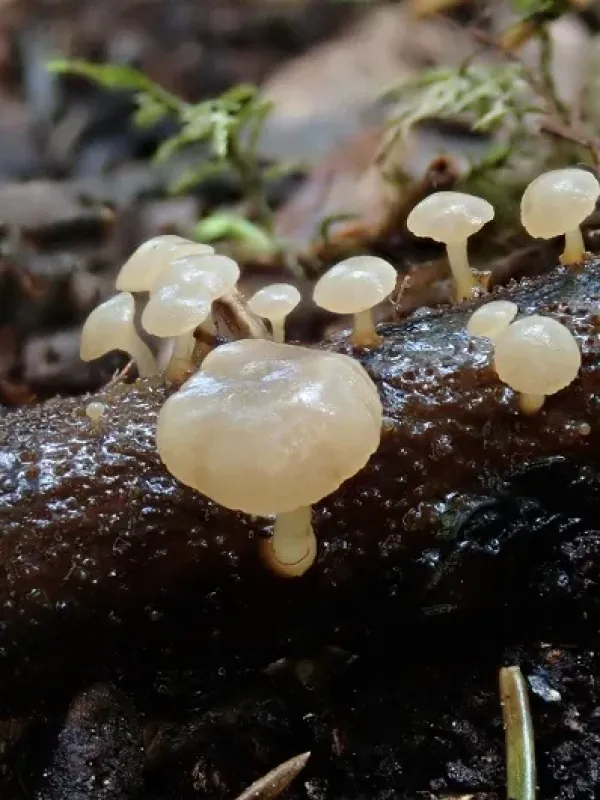
Description
Symptoms
The presence of Cudoniella clavus is most easily identified by the appearance of small, white to cream-colored cap-like fruit bodies on the ground.
Plants affected by the nearby fungal growth often show signs of tissue softening, as the fungus secretes enzymes that degrade the structural components.
The surface of the substrate or the base of stems colonized by the fungus may appear spongy or discolored compared to healthy areas.
Visible deterioration of plant stems at the soil line is a common symptom in cases where moisture levels remain consistently high.
Overall plant health often declines due to the compromised integrity of the root zone and increased vulnerability to secondary opportunistic infections.
Pathogen
Cudoniella clavus is a species of ascomycete fungus that typically acts as a saprotroph, feeding on decaying organic matter in wet environments.
The fungus produces small, nail-shaped fruit bodies known as apothecia, which serve as the reproductive structures for spreading spores across the site.
Biologically, it specializes in breaking down cellulose in damp wood, plant debris, and moist soils, playing a role in natural decomposition.
While often considered harmless in wild ecosystems, its presence in agricultural fields or greenhouses may indicate an imbalance in environmental conditions.
The organism's life cycle is driven by high humidity and the availability of moist organic substrates, allowing its mycelium to penetrate and decompose tissues.
Conditions for development
Cudoniella clavus thrives in environments characterized by excessive moisture, poor drainage, and low sunlight exposure.
The fungus is particularly active in shaded areas where the soil surface remains damp for extended periods, preventing proper evaporation.
Moderate temperatures provide the ideal thermal range for the rapid colonization of organic materials and the subsequent formation of fruit bodies.
Poor aeration in greenhouse setups or overcrowded plantings creates a microclimate that allows the fungus to gain a competitive advantage over beneficial microbes.
Periods of prolonged rainfall or frequent, heavy irrigation without proper drainage management act as primary catalysts for fungal outbreaks.
Why it matters
The primary damage caused by this fungus is the accelerated decomposition of organic matter, which can negatively impact the health of delicate plant root systems.
By creating a persistently wet and degrading environment, the fungus makes it easier for other, more aggressive pathogens to attack the host plant.
In nurseries, this species can lead to damping-off symptoms or rot, particularly in seedlings that are already under stress from environmental factors.
Ornamental plants may suffer from reduced aesthetic value and physiological weakness, making them less likely to survive transplanting or seasonal stress.
Accumulation of the fungus on debris serves as an inoculum source, increasing the potential for recurring issues if the site is not cleaned properly.
Protection
The most effective strategy against Cudoniella clavus involves improving soil and container drainage to eliminate standing water.
Maintaining a rigorous sanitation schedule by removing plant debris and fallen leaves prevents the fungus from establishing a food source.
Adjusting irrigation schedules to allow the top layer of soil to dry out between waterings is essential for limiting fungal activity.
Providing adequate spacing between plants improves airflow and light penetration, significantly reducing the humidity levels favored by the fungus.
If chemical intervention is necessary, apply appropriate fungicides while simultaneously correcting the underlying environmental issues to ensure long-term control.
Discussion
No discussions yet — be the first.