
Cudoniella acicularis
Cudoniella acicularis
Description
Symptoms
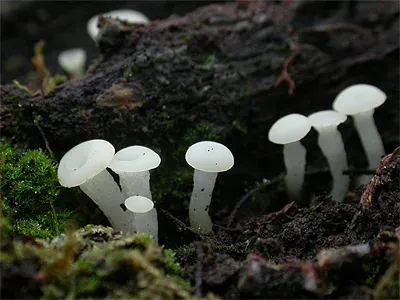
The most prominent sign of its presence is the development of small, cup-shaped fruit bodies or apothecia supported by stalks.
These fruiting bodies often display a whitish, cream, or pale yellowish color and have a distinct gelatinous or leather-like texture.
On the affected wood, one might observe thin mycelial mats or patches that indicate the internal colonization of the wood structure.
The wood texture itself becomes soft, brittle, and eventually turns spongy as the internal fibers are broken down by the fungus.
The presence of these mushrooms is typically found on stumps, dead fallen logs, and damp timber surfaces in forested or garden areas.
Pathogen
Cudoniella acicularis is a fungus belonging to the Ascomycota division. It is recognized as a saprotrophic organism that thrives on decaying wood.
This species functions by breaking down complex organic compounds, primarily lignin and cellulose, within dead or dying wood tissues.
The mycelium of this fungus penetrates the substrate, facilitating the degradation process through the release of specialized enzymes.
It is not classified as a primary pathogen of healthy living trees but acts as an opportunist colonizing weakened or already decaying plant material.
The biological lifecycle of the fungus is characterized by the emergence of fruit bodies, which develop during periods of sufficient moisture.
Conditions for development
The growth and spread of the fungus are heavily dependent on high humidity levels and a consistently damp substrate.
Optimal environmental conditions for the development of its fruiting bodies involve cool, moist autumn or spring weather.
It prefers shaded and sheltered locations where direct sunlight cannot evaporate the moisture from the wood surface.
Poor ventilation and dense vegetation cover create a microclimate that is highly favorable for the proliferation of this species.
A constant supply of dead wood or organic debris serves as the essential nutrient base for the sustainment of the fungal colony.
Why it matters
The primary concern regarding this fungus is the accelerated decay and structural degradation of wood material.
While it does not pose a direct threat to healthy trees, its colonization indicates that the area is not being properly maintained.
In landscaping or garden settings, it may lead to the rapid rotting of wood-based mulch or timber borders in contact with soil.
The loss of wood integrity can be a problem in timber storage areas where moisture control is not properly managed.
Prolonged exposure to the fungus ensures that the wood loses its commercial and aesthetic value, eventually turning into organic waste.
Protection
The most effective preventative measure is the regular removal of fallen logs, stumps, and excessive wood debris from the property.
Improving the drainage and ventilation of the site helps keep wood surfaces dry and less susceptible to fungal colonization.
If wood structures must be preserved, applying professional-grade wood preservatives and fungicides is essential.
Ensuring that living trees are healthy and free from major mechanical damage prevents secondary colonization by saprotrophic fungi.
If an outbreak is detected, infected wood should be cleared away and, if necessary, the area should be treated with appropriate disinfectants.
Discussion
No discussions yet — be the first.