
Cudoniella
Cudoniella
Description
Symptoms
Initial symptoms of infection typically appear as necrotic lesions on stems or the root collar. These spots may initially be small but expand rapidly, causing tissues to soften and discolor.
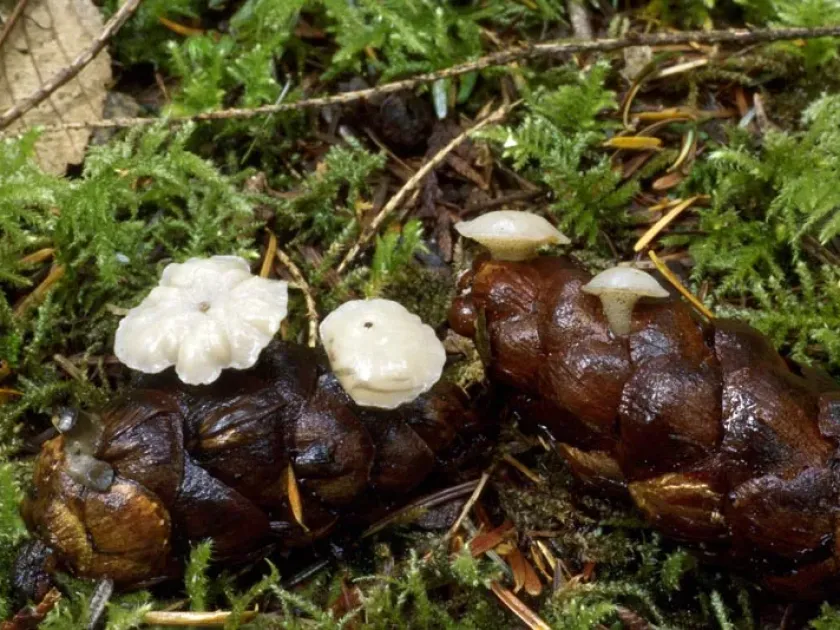
During periods of high humidity, the characteristic fruiting bodies of the fungus emerge. They appear as small, gelatinous, cream or yellowish-brown discs growing directly from the necrotic areas.
Affected plants exhibit stunted growth, yellowing foliage, and progressive wilting. As the root collar is damaged, the plant loses its ability to anchor and absorb water, often leading to total collapse.
Root systems of infected plants often show signs of decay, appearing darkened and brittle. In severe cases, the fungal mycelium can be observed as a fine, web-like structure within the plant tissue.
Early diagnosis is challenging, as symptoms are frequently restricted to the soil-line area. Regular scouting is essential during the early stages of plant development, particularly in wet seasons.
Pathogen
The genus Cudoniella belongs to the order Helotiales and is commonly recognized as a group of saprotrophic fungi that inhabit decaying wood or plant debris. In an agronomic context, some species can act as opportunistic parasites, targeting weakened crops or tissues under favorable conditions.
The pathogen reproduces primarily through apothecia, which are small, disc-shaped fruiting bodies. These structures develop on the surface of infected plant material when moisture levels are sufficient for the fungus to thrive.
Cudoniella is highly resilient, capable of surviving in the soil or on plant debris as mycelium or dormant structures. This persistence makes it a recurring problem in fields where hygiene practices are neglected.
Dissemination occurs through spores dispersed by wind, splashing rain, or physical contact with contaminated equipment. Entry into the host plant is generally facilitated by existing mechanical wounds or tissue damage.
The biological versatility of the fungus allows it to exploit various organic substrates, ensuring a significant inoculum potential in the soil that can threaten subsequent crop cycles.
Conditions for development
The development of Cudoniella is strictly governed by moisture. Excessively wet soil and high atmospheric humidity are the primary drivers that trigger spore germination and mycelial expansion.
The fungus thrives in moderate temperature ranges, specifically between 12°C and 20°C (54°F–68°F). These conditions are often prevalent in spring or late autumn, coinciding with the critical growth stages of many crops.
Poor soil aeration and compaction create an environment that weakens the root system, making the plants more susceptible to fungal entry. Waterlogged soil significantly increases the risk of infection.
A buildup of crop residues provides a substrate for the fungus to overwinter and multiply. Without proper sanitation, these residues maintain a high level of inoculum in the field.
Dense planting patterns reduce air circulation, maintaining a humid microclimate around the base of the plant that facilitates the rapid spread of the pathogen between individuals.
Why it matters
The primary harm caused by Cudoniella is the destruction of the plant's vascular tissue. This disruption prevents the movement of water and nutrients, leading to physiological stress and plant death.
Crop losses can be substantial, particularly in fields with high infection pressure. In cases of severe outbreaks, yield reductions can reach 20-50% if not managed effectively.
Infected plants become highly prone to secondary attacks by other pathogens, including bacteria, which accelerate the decomposition process and reduce the overall quality of the harvest.
The long-term presence of the fungus in the soil limits crop options, as sensitive varieties cannot be successfully grown without extensive intervention and site remediation.
Economic impacts include not only the loss of marketable yield but also the increased expenditure on fungicides and the potential need for significant changes to agricultural practices.
Protection
Crop rotation is the most effective cultural practice for managing Cudoniella. Avoid planting susceptible crops in the same field for several consecutive years to reduce the pathogen population.
Proper field sanitation, including the destruction or deep burial of post-harvest residues, is critical to removing the overwintering sites of the fungus.
Chemical control involving systemic fungicides applied early in the growing season can help prevent initial infections and suppress the development of fungal spores on plant surfaces.
Improvement of soil drainage through tiling or subsoiling can significantly reduce the moisture levels that the fungus requires to proliferate.
- Utilizing disease-free, high-quality seeds or seedlings.
- Optimizing plant spacing to ensure adequate ventilation and light penetration.
- Regular monitoring of fields to detect early infection and isolate affected areas.
Discussion
No discussions yet — be the first.