
Crinipellis tomentosa
Crinipellis tomentosa
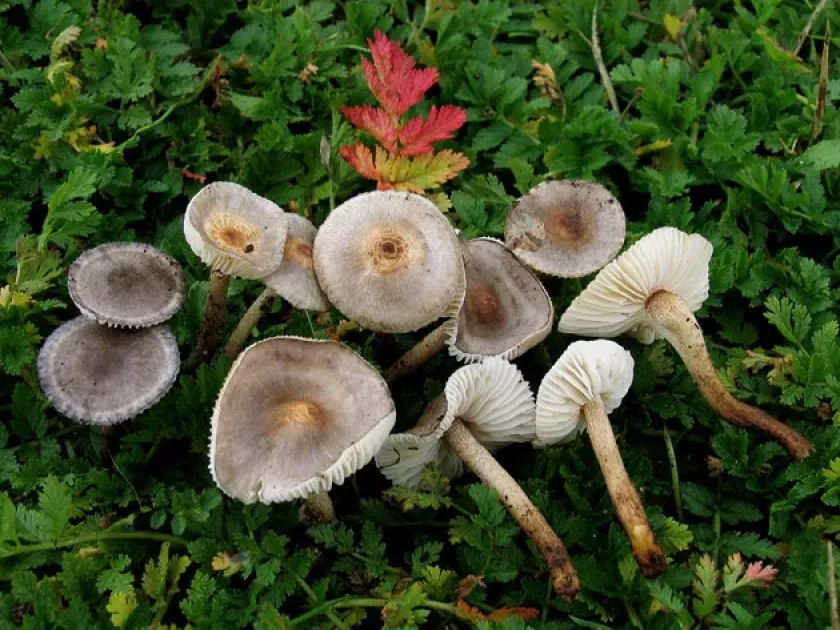
Description
Symptoms
Visible symptoms include patches of roughened or deformed bark, often covered with a characteristic felt-like fungal growth.
Localized necrosis or depressions on the bark surface are common indicators of the mycelium invading the underlying living tissues.
Small, hair-covered mushrooms may develop from the infected bark, serving as a distinct diagnostic feature of this fungal pathogen.
Affected plants often show systemic distress, including premature yellowing and leaf drop, even if only a small portion of the tree is infected.
Dieback of individual branches is a classic sign, which frequently worsens as the infection progresses throughout the canopy.
Pathogen
Crinipellis tomentosa is a basidiomycete fungus that primarily affects the bark and woody tissues of various tree and shrub species.
This pathogen acts as a facultative parasite, meaning it can survive on decaying organic matter but readily infects living tissues under stress.
The fungus is characterized by a felt-like mycelium, which allows it to adhere firmly to the host surface and invade the cambium layer effectively.
The life cycle involves the formation of small, hairy fruiting bodies (basidiocarps) that typically appear on the bark of infected woody parts.
It survives in plant debris and forest litter, making it a persistent source of infection in areas with high organic matter accumulation.
Conditions for development
High humidity and moderate temperatures are the most critical environmental drivers for the rapid development and spread of Crinipellis tomentosa.
Shaded areas with poor air circulation create a perfect microclimate for the spores to germinate and colonize new parts of the host plant.
Trees that are physically damaged, stressed by drought, or already weakened by other pests are significantly more susceptible to new infections.
Spores are primarily disseminated by wind, allowing the fungus to travel across short and long distances during wet weather periods.
Dense plantings that retain excessive moisture provide the ideal environment for the fungus to establish a permanent presence in the area.
Why it matters
The fungus causes long-term structural damage to the bark and wood, which significantly reduces the mechanical integrity and vigor of the tree.
By interfering with the vascular system, the pathogen limits the plant's ability to transport water and nutrients, leading to gradual decline.
In landscaping and forestry, it creates hazardous zones where infection can easily jump to healthy specimens, leading to significant ecological loss.
The aesthetic value of ornamental plants is severely diminished, and severe infections often necessitate the complete removal of the affected trees.
Wounds caused by the fungus serve as entry points for secondary infections, including wood-boring insects and other destructive fungi.
Protection
Sanitary pruning, which involves the complete removal and destruction of infected branches, is the most effective way to slow the spread.
Improving the ventilation of the canopy and thinning out dense plantings helps to reduce humidity and discourage fungal spore germination.
Copper-based fungicides can be applied to the bark of affected trees to suppress fungal growth and protect surrounding healthy tissue.
Keeping the area around the tree bases clear of debris prevents the accumulation of inoculum and reduces the chance of re-infection.
- Regular monitoring of plant health.
- Proper tool disinfection after maintenance.
- Enhancing plant resistance via optimized fertilization.
Discussion
No discussions yet — be the first.