
Crinipellis subtomentosa
Crinipellis subtomentosa
Description
Symptoms
The primary symptom of infection is the appearance of a thin, felt-like mycelial mat on the surface of the bark. This coating is often brownish or grayish and gives the fungus its specific common name.
Affected bark loses its structural integrity and becomes soft or spongy to the touch. In advanced cases, localized discoloration of the bark and cambium layer can be observed, indicating significant tissue degradation.
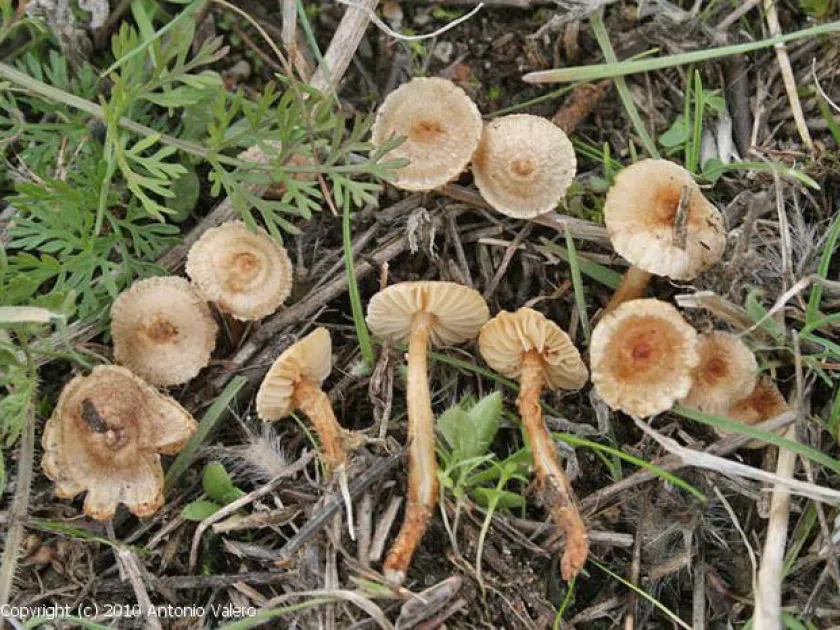
Close inspection of the infected area often reveals tiny, stalked fruit bodies. These are characterized by a delicate, fuzzy texture on the surface of the cap, distinguishing them from other forest fungi.
The overall vigor of the tree declines, often accompanied by the premature yellowing of leaves or needles. This physiological decline is a result of the fungus interfering with the normal transport of nutrients and water.
- Development of a felt-like fungal mat on the bark.
- Presence of small, pubescent fruit bodies.
- Softening and loss of density in the outer bark.
- Premature chlorosis of foliage on affected branches.
- Formation of cracks as tissue degradation progresses.
Pathogen
The causal agent of this disease is the fungus Crinipellis subtomentosa, a member of the Basidiomycota phylum. It functions primarily as a saprotroph, but under certain conditions, it can behave as a weak parasite.
The fungus produces small, distinctively pubescent fruit bodies on the bark of decaying or stressed trees. Its biology is centered on the decomposition of lignin and cellulose within plant tissues.
The mycelium of the fungus penetrates deep into the bark structure and underlying tissues, causing gradual degradation. It exhibits high resistance to environmental fluctuations, allowing it to persist in forests for multiple seasons.
Unlike more aggressive pathogens, Crinipellis subtomentosa typically targets weakened trees or areas with existing mechanical wounds. Its presence acts as a biological indicator of high humidity and ecological stress in the forest stand.
The life cycle involves the formation of basidiospores during periods of high humidity. These spores are easily dispersed by wind and rain, facilitating the pathogen's spread across various forest landscapes.
Conditions for development
High humidity and moisture are the most critical factors for the development of Crinipellis subtomentosa. The fungus thrives in dense, poorly ventilated forest stands where moisture persists on surfaces for extended periods.
Temperature ranges typical of temperate climates support the active growth of the fungus. It prefers shaded environments where protection from direct sunlight prevents the desiccation of its developing fruit bodies.
Accumulations of leaf litter and woody debris serve as primary reservoirs for the fungus. These organic materials provide a continuous nutrient source, allowing the pathogen to build up its inoculum potential.
Trees stressed by drought, insect attacks, or frost are significantly more susceptible to infection. These stressors create entry points that the fungus can easily exploit to initiate colonization.
Lack of canopy aeration in young plantations can lead to excessive surface wetness, creating ideal conditions for spore germination and colonization of young, vulnerable trees.
Why it matters
The primary harm caused by Crinipellis subtomentosa is the systemic weakening of host trees. Although it rarely kills healthy specimens instantly, it compromises the tree’s overall health and growth rate.
Damage to the bark provides an entry point for secondary wood-boring insects and other, more virulent pathogens. This creates a disease complex that can accelerate the decline and death of the host plant.
In nurseries, the presence of this fungus can lead to high seedling mortality. This results in significant economic losses for commercial foresters and nursery managers who produce reforestation materials.
Infected timber suffers from reduced quality due to staining and soft rot. This significantly devalues wood products and renders affected logs unsuitable for high-quality lumber applications.
The widespread presence of the fungus in natural stands can alter the balance of the forest ecosystem. It reduces the resilience of the forest to other environmental stressors, potentially leading to long-term decline.
Protection
Sanitation practices are the cornerstone of disease control. Removing deadwood and infected trees from the stand effectively reduces the inoculum level in the environment.
Implementing proper thinning schedules improves airflow and light penetration within the canopy. These practices lower the ambient humidity, making the environment unfavorable for fungal growth.
In decorative landscapes or high-value nurseries, the application of copper-based or systemic fungicides can help control the spread of the infection. Regular monitoring is required to detect early signs of colonization.
Forestry operations should be conducted with care to avoid wounding the bark of remaining trees. Any mechanical injuries should be treated immediately with wound dressings to prevent fungal colonization.
Selecting and planting genetically resistant species is the most sustainable approach to long-term management. This strategy minimizes the risk of widespread disease outbreaks in newly established plantations.
Discussion
No discussions yet — be the first.