
Crinipellis sardoa
Crinipellis sardoa
Description
Symptoms
Early signs of infection often include localized swellings and distortions on young shoots, which result from the fungus stimulating abnormal tissue growth.
Dark, necrotic lesions on the bark are common symptoms, indicating that the fungus is actively damaging the vascular cambium of the tree.
Leaves on infected branches often wilt and turn yellow prematurely, as the fungal mycelium creates obstructions that hinder the transport of water and nutrients.
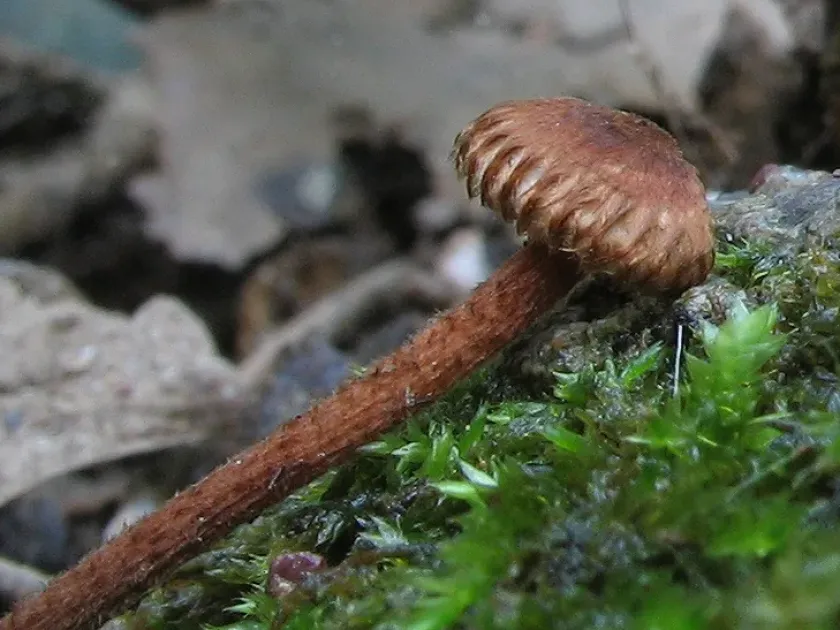
During damp conditions, microscopic fruiting bodies may emerge from cracks in the bark, appearing as minute, thin-stalked structures.
- Branch dieback and localized wilting;
- Bark discoloration and structural breakdown;
- Reduced annual shoot growth;
- Presence of small mushroom-like fruiting bodies on dead bark.
Pathogen
Crinipellis sardoa is a specialized fungal pathogen belonging to the Marasmiaceae family, primarily recognized for its impact on various woody plants in Mediterranean climates.
The pathogen functions by colonizing the plant tissues, extracting nutrients, and disrupting the normal physiological processes of the host organism.
Its life cycle involves the production of small, often inconspicuous basidiocarps that release spores under favorable environmental conditions to propagate the infection.
The fungus is highly adept at surviving in the bark and conducting tissues, where it establishes a persistent mycelium that can survive for long periods.
As a phytopathogenic fungus, it poses a recurring threat to orchards and garden plantations, particularly where environmental humidity remains high throughout the year.
Conditions for development
The spread of Crinipellis sardoa is heavily dictated by environmental humidity, with periods of heavy rain and prolonged fog acting as major catalysts for infection.
Poor ventilation within the plant canopy creates a microclimate that allows fungal spores to germinate and colonize healthy tissues more effectively.
Warm temperatures, generally ranging from 15°C to 25°C, are considered ideal for the rapid expansion of the fungus within the host tissue.
Mechanical damage to the plant, such as improper pruning wounds or hail impact, provides an easy entry point for the pathogen to establish a foothold.
A lack of maintenance, such as leaving diseased pruning debris or fallen foliage under the trees, increases the overall spore pressure in the environment.
Why it matters
The primary damage caused by this pathogen is the slow, systematic decline of the plant, which may result in total loss if left untreated over several seasons.
By interfering with the plant's vascular system, the fungus severely limits the tree's ability to support its canopy, leading to significant branch dieback.
Weakened plants become increasingly susceptible to secondary stressors, including wood-boring insects and other opportunistic fungal pathogens that thrive on declining wood.
Crop yields suffer immensely as the physiological health of the plant deteriorates, leading to smaller, lower-quality fruits and stunted growth.
The cumulative impact on long-term plantations can be devastating, necessitating the removal of affected trees and costly replacement of entire rows.
Protection
Sanitary pruning is the most effective management strategy; all infected wood must be surgically removed and destroyed by burning to stop the infection cycle.
Disinfecting all pruning tools with a strong antiseptic solution between cuts is essential to prevent the mechanical transmission of the pathogen.
Preventative applications of copper-based fungicides can help protect healthy trees by inhibiting the germination of spores on the bark surface.
Maintaining optimal tree vigor through balanced fertilization and proper hydration helps the plant build a stronger natural resistance to fungal invasion.
Regular canopy management to ensure good air circulation and light penetration is crucial for preventing the humid microclimates that the fungus requires to thrive.
Discussion
No discussions yet — be the first.