
Crepidotus cesatii
Crepidotus cesatii
Description
Pathogen
Crepidotus cesatii is a species of basidiomycete fungus belonging to the Inocybaceae family. It operates primarily as a wood-decaying saprotroph, playing an essential role in the ecological process of breaking down complex organic matter such as lignin and cellulose in dead wood.
Unlike obligate plant pathogens, this fungus does not attack healthy, growing tissues of agricultural crops. It is strictly saprobic, meaning it thrives on dead or decaying woody substrates, such as fallen branches, stumps, and old stems, contributing to the carbon cycle by returning nutrients to the soil.
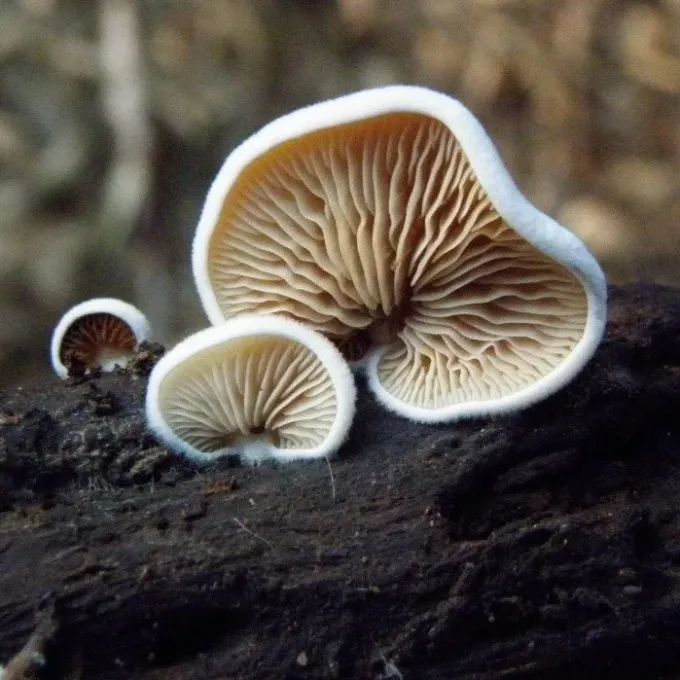
The fruit bodies (mushrooms) of this species are small, kidney-shaped, or fan-shaped, lacking a distinct stalk and attaching directly to the host. The cap is often finely fibrillose or hairy, while the gills transition from whitish to brownish as the spores mature.
The mycelium of Crepidotus cesatii permeates the internal structure of the wood, utilizing enzymes to degrade the lignocellulose matrix. This biological activity gradually softens the wood, facilitating further decomposition by other microorganisms and invertebrates.
From an agricultural management perspective, the presence of this fungus is an indicator of accumulation of dead woody debris. While it is not a direct threat to fruit production, it characterizes the sanitation status of a woody area or plantation.
Conditions for development
The development of Crepidotus cesatii is strongly dependent on environmental moisture. High humidity, such as that found during prolonged rain or in shaded, damp environments, is critical for both the germination of spores and the expansion of the vegetative mycelium.
Optimal growth temperatures for the mycelium range between 15°C and 22°C. While the fungus can tolerate a range of climatic conditions, extreme drought or direct, prolonged solar radiation inhibits the formation of fruit bodies and slows down metabolic decay processes.
The fungus is typically found on deciduous wood. Its spores are spread via wind currents and successfully colonize woody substrates that have been wounded or are already showing signs of decay, providing a soft entry point for the fungal hyphae.
Good orchard management, specifically focusing on air circulation and exposure to sunlight, creates an unfavorable environment for this fungus. Areas with poor drainage and high moisture retention are most susceptible to colonization by Crepidotus cesatii.
Host availability is the primary factor limiting its expansion. In environments where deadwood is removed promptly, the fungus struggles to establish a stable population, as it requires a specific moisture content within the woody material to thrive.
Why it matters
The primary concern regarding this fungus is its ability to accelerate the degradation of timber. In the context of old orchards or parklands, the softening of tree stems and branches can lead to structural instability, potentially causing trees or large limbs to fail during wind events.
Although it does not infect living, healthy tissues, it can opportunistically settle on trees that are already stressed or suffering from wounds. By consuming dead bark or damaged heartwood, it may slowly compromise the vigor of the host plant over several seasons.
In forestry, significant colonization by wood-decaying fungi reduces the commercial value of the timber. The enzymatic breakdown creates internal decay, which can make the wood brittle and unsuitable for high-quality construction or carpentry use.
For most annual agricultural crops, Crepidotus cesatii is essentially harmless. Its impact is limited to perennial woody species. Therefore, it is classified as a minor pathogen compared to aggressive parasitic fungi that directly kill active vegetation.
Economic losses are generally considered localized and indirect. The main "harm" is the increased labor and cost required for sanitation, structural support of old trees, and the aesthetic devaluation of affected decorative plantings in landscapes.
Protection
The most effective management strategy is rigorous sanitation. Regular removal of dead branches, fallen logs, and old stumps eliminates the source of inoculum and prevents the buildup of fungal populations within a garden or plantation.
Proper wound management is essential. Any significant branch cuts or physical damage to tree trunks should be treated with appropriate sealants or wound paints to prevent the entry of spores and subsequent colonization by opportunistic fungi.
Pruning techniques that improve light penetration and air movement help keep the bark dry, which significantly reduces the chances of Crepidotus cesatii establishing itself on trees. Maintaining overall tree health ensures that natural defenses against colonization remain active.
If fruit bodies are observed on high-value trees, they should be removed mechanically, and the underlying wood should be inspected. Any decayed tissue must be cleaned down to healthy, intact wood and treated with a fungicide to stop the spread of the mycelium.
Avoid stacking cut firewood or woody debris near living trees. All waste wood should be disposed of or processed promptly to prevent it from becoming a nursery for fungi that can then potentially threaten the integrity of nearby standing timber.
Discussion
No discussions yet — be the first.