
Coxiella burnetii
Coxiella burnetii
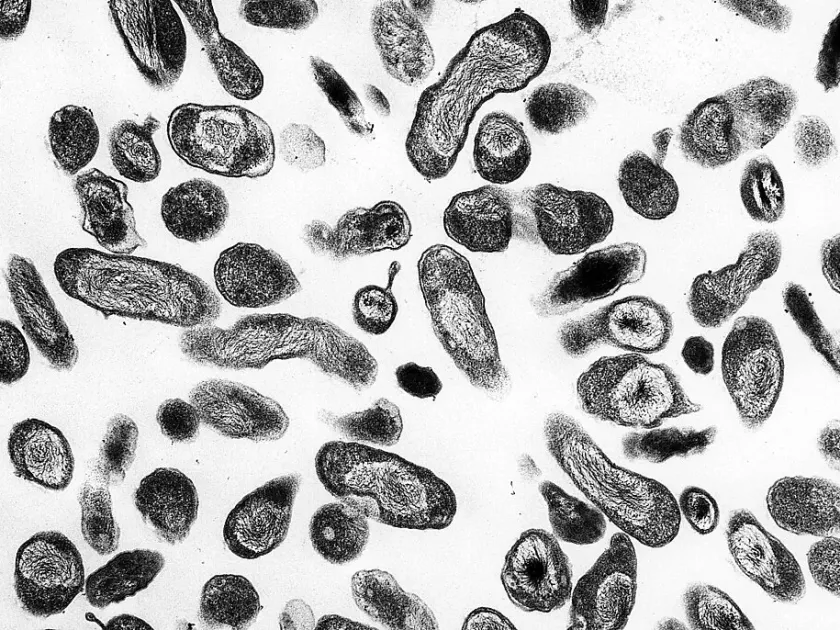
Description
Pathogen
It is critical to understand that Coxiella burnetii is not a plant pathogen; it does not cause diseases in agricultural crops. Instead, it is an obligate intracellular bacterium and the causative agent of Q fever, a significant zoonotic disease.
The primary hosts of this organism are livestock, including cattle, sheep, and goats, as well as various wild mammals. The bacteria have no biological affinity for plant tissues and cannot colonize or damage crops.
Coxiella burnetii is biologically unique because it forms spore-like variants that are highly resistant to environmental stressors, such as heat, dryness, and common chemical disinfectants.
The pathogen is primarily transmitted through the inhalation of contaminated aerosols, which can contain high concentrations of bacteria derived from birth products, excreta, or infected animal tissues.
In an agricultural context, this organism is of significant concern to farm management regarding animal health protocols, human safety, and the potential for regulatory oversight of livestock-related operations.
Conditions for development
The development and persistence of Coxiella burnetii are entirely dependent on animal reservoirs. The bacteria proliferate massively within the placental tissues of infected animals during gestation.
Environmental conditions become a vector for spread primarily through the drying of infected biological materials. Particles containing the bacteria can remain viable in soil and dust for extended periods, even under harsh conditions.
Wind currents facilitate the movement of these contaminated dust particles, potentially spreading the bacteria across farm premises and into adjacent areas where agricultural activities occur.
Small mammals, including rodents, and certain species of ticks often act as natural reservoirs, maintaining the circulation of the pathogen within the farm environment and complicating eradication efforts.
High-density animal housing, poor ventilation, and inadequate management of animal waste create an environment conducive to the accumulation and aerosolization of the bacterium.
Why it matters
The harm associated with Coxiella burnetii is primarily felt in the veterinary and human health sectors. Infections in livestock can lead to reproductive failures, resulting in significant economic losses for the farm.
Clinical signs in animals often include spontaneous abortions, stillbirths, and infertility, which directly affect the productivity and profitability of dairy and meat operations.
For farm workers, the pathogen poses a severe occupational health hazard. Exposure to infected aerosols during birthing, animal handling, or cleaning of pens can lead to acute Q fever in humans.
The presence of the organism on a farm may trigger official investigations, quarantine measures, and restrictions on the movement and sale of animals or animal products.
Economic damage also stems from the costs of mandatory disinfection protocols, diagnostic testing of herds, and the necessity of implementing long-term animal health management strategies.
Protection
Control strategies for Coxiella burnetii focus on strict veterinary biosecurity. Preventing the introduction of the pathogen into herds and minimizing exposure to potentially contaminated materials is essential.
Regular surveillance and testing of animal herds are vital for early detection. In some regions, vaccination of susceptible livestock is used as a primary prevention tool against the infection.
Proper management and safe disposal of birth products, including placentas, are critical steps to prevent environmental contamination and the subsequent creation of infectious aerosols.
Farm staff must utilize personal protective equipment (PPE) during high-risk tasks and ensure that facilities are regularly cleaned using appropriate disinfectant agents capable of killing resilient bacteria.
- Enforcing strict quarantine protocols for new animals.
- Implementing integrated pest management (IPM) to control rodents and ticks.
- Maintaining high standards of cleanliness in animal housing and ventilation systems.
Discussion
No discussions yet — be the first.