
Camphor webcap
Cortinarius camphoratus
Description
Pathogen
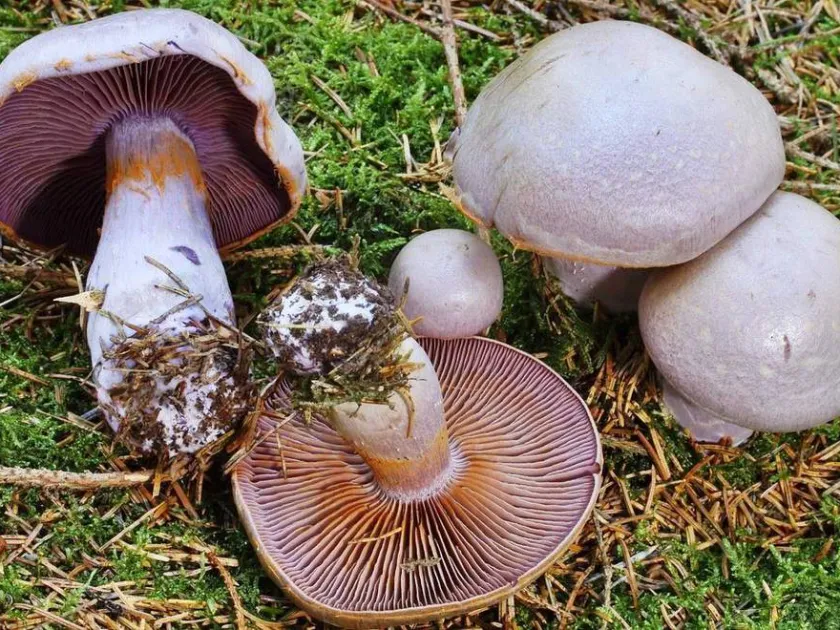
Cortinarius camphoratus, commonly known as the camphor webcap, is a fungal species within the Cortinariaceae family. It is strictly a mycorrhizal fungus associated with forest ecosystems, not a plant pathogen.
The fungus establishes a symbiotic relationship with the root systems of various tree species, particularly conifers. Through this mycorrhizal connection, it exchanges nutrients with its host, which is beneficial for tree development in natural forests.
Physically, the mushroom is known for its distinct purple color and a strong, unpleasant scent often described as camphor-like. These characteristics assist mycologists in identifying the species in the field.
The fungus reproduces via spores, which are released from the gills on the underside of the cap. These spores are spread by air currents to colonize suitable forest soil environments.
As it is not an agricultural pathogen, it does not infect crops or cause economic damage to farming systems. Its presence is generally limited to undisturbed woodland habitats.
Conditions for development
The development of the camphor webcap depends heavily on cool, moist, and shaded forest environments. It thrives in locations with deep layers of leaf litter and decaying organic matter.
Optimal environmental conditions for the appearance of fruit bodies include high soil moisture levels and stable, cool temperatures, typically occurring in the late summer and autumn seasons.
The species prefers acidic soil types that are characteristic of coniferous or mixed forests. It requires a specific balance of micro-climatic conditions to maintain its subterranean mycelium.
Spores require adequate moisture for germination. Once established, the mycelial network grows slowly within the soil profile, often covering large areas under the canopy of host trees.
Intensive agricultural practices, such as tillage and the use of chemical fungicides, completely eliminate the habitat of this species, preventing its survival in conventional farming fields.
Discussion
No discussions yet — be the first.