
Cortinarius callisteus
Cortinarius callisteus
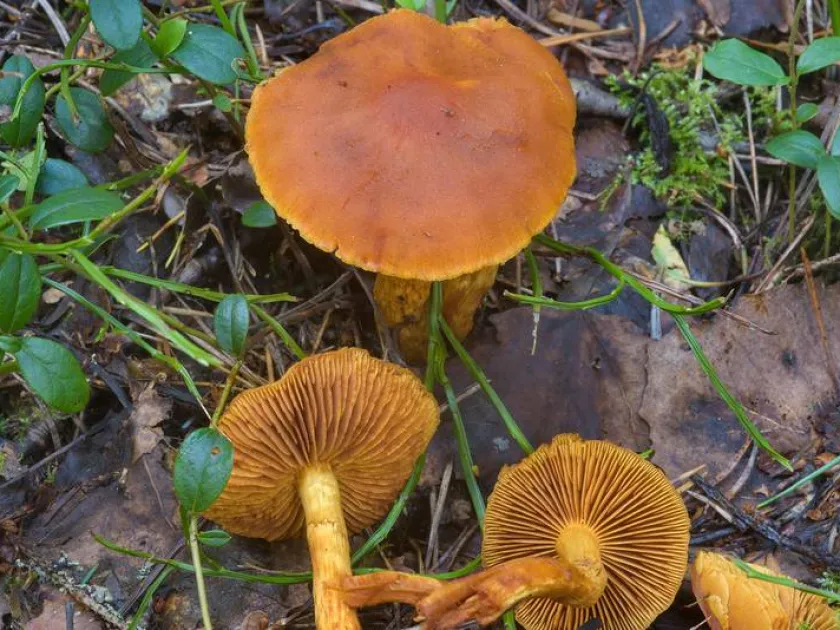
Description
Pathogen
Cortinarius callisteus, commonly known as the metallic cortinarius, is a species of mushroom in the Cortinariaceae family. It is not a plant disease or a pathogen of agricultural crops.
This fungus is a mycorrhizal partner to forest trees, meaning it lives in a mutually beneficial relationship with roots rather than attacking them.
In terms of agricultural protection, Cortinarius callisteus holds no significance as a pest or disease agent. It does not cause wilting, necrosis, or structural damage to crops.
The biology of the fungus involves decomposing organic matter and facilitating nutrient exchange for coniferous trees, keeping it confined to woodland environments.
Therefore, farmers do not need to implement any control measures against this fungus, as it is a harmless component of forest ecosystems.
Conditions for development
The development of Cortinarius callisteus is strictly tied to specific forest habitats. It requires acidic soil conditions and the presence of coniferous or mixed forests.
Mycorrhizal association with host trees is a biological necessity for the survival of the fungal mycelium in the long term.
High soil moisture levels and stable cool temperatures typical of late summer and autumn are essential for the emergence of fruiting bodies.
The fungus is highly sensitive to soil disturbance. Regular tillage, fertilization, and the use of agrochemicals found on farmlands are detrimental to its growth.
Its spore dispersal is passive and depends on wind, but the environment of open agricultural fields lacks the required conditions for spore germination and colonization.
Discussion
No discussions yet — be the first.