
Dark-gilled webcap
Cortinarius anthracinus
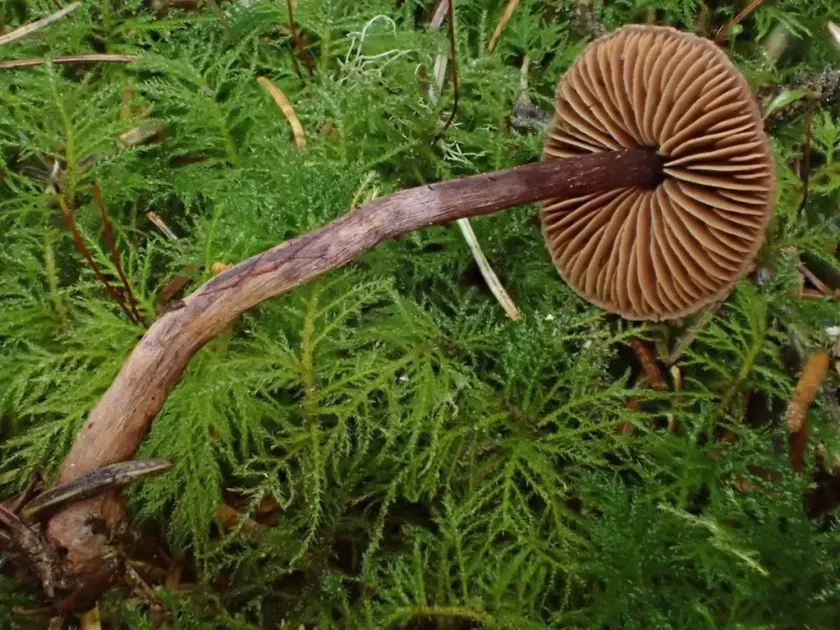
Description
Pathogen
The Dark-gilled webcap (Cortinarius anthracinus) is a species of fungus in the family Cortinariaceae. It is a wild forest fungus and is not considered a plant disease in agricultural terms.
The species lives in symbiosis with tree roots. It forms mycorrhizal associations which are beneficial to the forest trees it lives alongside.
The fungus is characterized by its dark, almost coal-like appearance, specifically its gills and cap color. This helps researchers distinguish it from other webcap species.
It plays a critical ecological role in decomposing forest litter. It does not infect field crops, vegetables, or fruits cultivated by humans.
Agricultural monitoring programs do not track this species as it poses no economic risk to crops. It is strictly a subject of mycological and ecological study.
Conditions for development
Cortinarius anthracinus thrives in moist, coniferous, and mixed woodland environments. It requires specific soil conditions to maintain its underground mycelium.
The presence of host trees is essential for the fungus to establish its mycorrhizal network. Without the root systems of these trees, the fungus cannot persist.
Environmental humidity acts as a trigger for the emergence of visible fruit bodies. High rainfall in late summer often precedes the fruiting season.
Spore dispersal occurs through wind currents in dense forest conditions. The spores are small and can travel significant distances within the habitat.
- Requires high organic content in the soil.
- Prefers stable forest temperatures.
- Depends on undisturbed ground litter.
Discussion
No discussions yet — be the first.