
Violet webcap
Cortinarius alboviolaceus
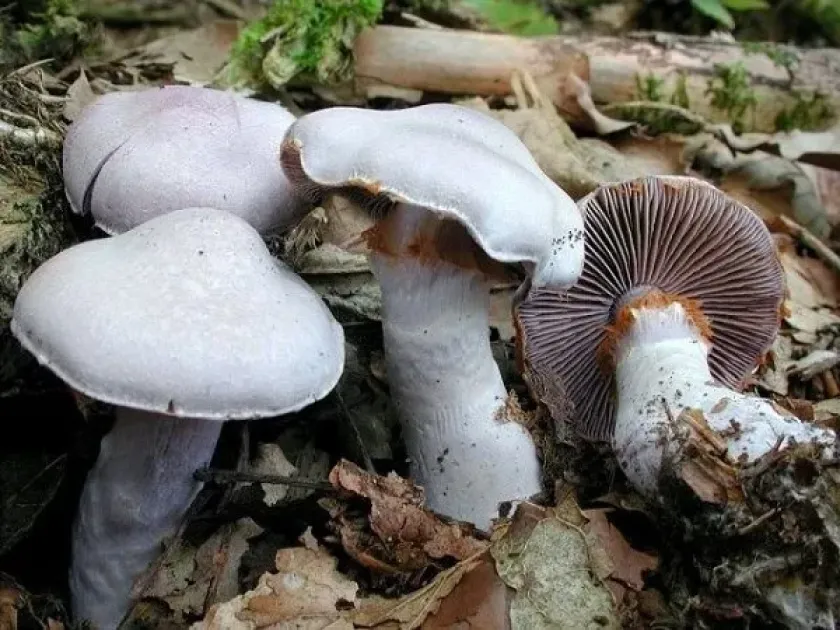
Description
Pathogen
The violet webcap (Cortinarius alboviolaceus) is not a plant pathogen; it is a mycorrhizal fungus commonly found in forest ecosystems.
Unlike parasitic fungi that cause plant diseases, this species establishes a mutually beneficial relationship with the roots of deciduous and coniferous trees.
It provides the host plant with water and essential nutrients extracted from the soil in exchange for carbohydrates produced through photosynthesis.
In an agricultural context, it poses no threat to crops and is never identified as an infectious agent in plant pathology.
Classifying it as a disease is a misconception, as it lacks the specialized enzymes required to digest living plant tissue.
Conditions for development
Violet webcaps thrive in cool, moist environments typically found in woodland areas or near forest edges.
They prefer acidic to neutral soils rich in organic matter and decaying leaf litter, which provides a suitable substrate for mycelium growth.
Fruit bodies, or mushrooms, appear predominantly during the late summer and autumn months when temperature and humidity levels are optimal.
The fungus is strictly dependent on the presence of symbiotic trees, such as birch or beech, to maintain its life cycle.
Disturbing the soil structure or introducing heavy synthetic fertilizers can negatively impact the delicate underground mycorrhizal network.
Why it matters
There is no record of harm caused by Cortinarius alboviolaceus to commercial crops or garden plants.
Because the fungus is a symbiont rather than a parasite, it does not impair the metabolic functions or structural integrity of plants.
It does not produce any phytotoxic compounds that would inhibit crop development or lead to yield losses.
In fact, it is considered beneficial for maintaining soil health and tree vigor in forestry and woodland management.
The presence of this fungus is generally a sign of a healthy, biodiverse environment rather than a pest infestation.
Protection
As this species is not a plant pathogen, no chemical control or preventative fungicide treatments are necessary or recommended.
Maintaining proper soil drainage is sufficient to prevent excessive moisture if the appearance of mushrooms is considered undesirable for aesthetic reasons.
Avoid the use of broad-spectrum soil fungicides, as they disrupt natural soil ecology and harm beneficial mycorrhizal interactions.
Mechanical removal of the visible fruit bodies is the only practical method if their presence causes concern near sensitive plant areas.
The best management strategy is to recognize the organism as a harmless forest inhabitant that requires no specific agricultural intervention.
Discussion
No discussions yet — be the first.