
Cophinosis
Cophinforma tumefaciens
Description
Symptoms
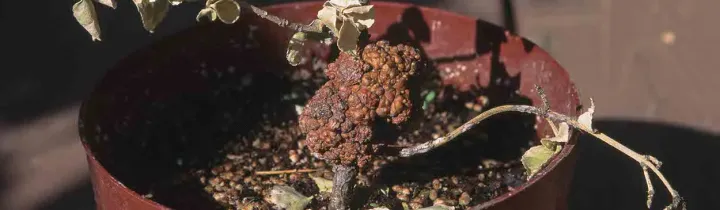
The hallmark symptom of Cophinosis is the development of distinct tumor-like growths and galls on the trunks, branches, and woody shoots of affected plants.
Affected tissues lose their structural integrity, becoming spongy or woody-deformed, and often develop cracks that expose the interior to further environmental stress.
Systemic symptoms may include stunted growth, leaf chlorosis, and premature senescence, as the pathogen restricts the flow of water and nutrients.
The galls increase in size over time, causing visible deformities that serve as the primary diagnostic feature for identifying the disease in the field.
In advanced stages of the infection, the affected branches begin to die back, potentially leading to the complete decline of the host plant if left untreated.
Pathogen
The causative agent of this disease is the micromycete Cophinforma tumefaciens, a fungus known for inducing abnormal tissue growth in various plant hosts.
This pathogen acts as a specialized parasite, targeting the woody tissues of trees and shrubs and interfering with their physiological development.
The fungus completes its life cycle within the host tissues, deriving the necessary nutrients for its development while disrupting the plant's vascular integrity.
The organism exhibits high persistence and can survive in infected plant residues for extended periods, serving as a primary source of inoculum.
Dissemination of spores occurs primarily through wind currents, rain splash, and the movement of contaminated pruning tools during routine agricultural activities.
Conditions for development
High relative humidity and moderate temperatures provide the most favorable environment for the rapid growth and sporulation of the fungus.
Physical injuries to the bark caused by mechanical damage, pest activity, or frost cracks significantly increase the vulnerability of the plant to infection.
Poor air circulation within dense plantings creates a microclimate that facilitates the rapid spread of spores from infected to healthy tissues.
Plants under physiological stress, often due to nutrient deficiencies or improper site conditions, are more susceptible to colonization by the pathogen.
Prolonged wet weather patterns, particularly during the growing season, are critical for the successful establishment of new infection sites.
Why it matters
The primary damage caused by Cophinosis involves the long-term weakening of the plant and a marked reduction in its overall health and yield.
The presence of galls causes a mechanical blockage of the vascular system, leading to impaired translocation of water and minerals to the foliage.
Plants affected by the disease exhibit increased sensitivity to cold, making them significantly more prone to winter injury and frost damage.
In nursery settings, this disease leads to severe economic losses due to the unmarketable appearance and potential death of the infected young stock.
Persistent infections can lead to the slow death of individual branches or the entire tree, necessitating the removal and destruction of the affected plant material.
Protection
Sanitation is the cornerstone of management, requiring the regular removal and destruction of infected branches to lower the overall pathogen load in the area.
Strict disinfection protocols for pruning equipment are essential to prevent the mechanical transmission of the pathogen between trees.
Applications of copper-based fungicides can provide a protective barrier, reducing the incidence of infection during the critical periods of the growing season.
Improving general plant vigor through balanced fertilization and proper irrigation helps to enhance natural resistance against the disease.
- Regular monitoring of orchards and gardens for early symptom detection.
- Judicious use of registered fungicides when environmental conditions favor infection.
- Surgical removal of localized galls with subsequent application of sanitizing wound dressings.
Discussion
No discussions yet — be the first.