
Conoideocrella
Conoideocrella
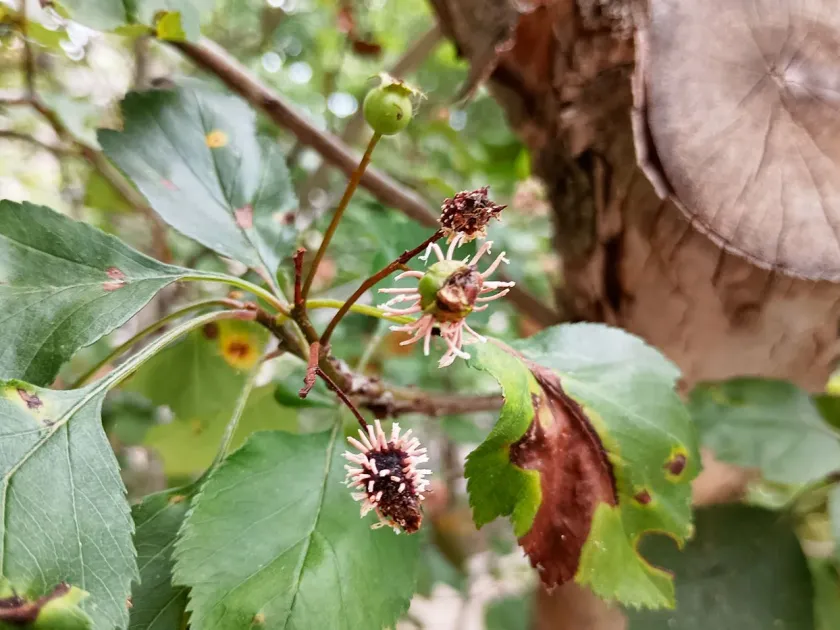
Description
Symptoms
The most visible sign of infection is the loss of mobility in the pest. Once infected, the insect stops feeding and becomes sluggish before eventually dying on the leaf surface.
A white, powdery, or waxy mycelial layer gradually covers the insect's body. This indicates the successful colonization of the host by the fungal hyphae.
Small, brightly colored fruiting bodies start to emerge from the dead insect. These structures are the primary indicator of the fungal presence and active sporulation.
The color of these fruiting bodies is typically yellow or orange, making the affected pests stand out against the green foliage of the host plant.
- Loss of motor function in insects.
- Visible mycelial growth on the exoskeleton.
- Development of colorful fruiting structures.
- Mummified appearance of dead pests.
- Spore production covering the infected insect.
Pathogen
Conoideocrella is a genus of entomopathogenic fungi belonging to the Clavicipitaceae family. These organisms are specialized parasites that infect insects and other arthropods rather than plants.
Biologically, the fungus is an ascomycete. Its life cycle involves infecting the host through its exoskeleton using specialized enzymes that break down the cuticle, allowing mycelial growth within the body.
The fungus produces secondary metabolites that serve both to paralyze the host and to protect the colony from other competing microorganisms. This makes it a powerful biological agent.
The reproduction phase involves the formation of stroma, which are distinct, often brightly colored structures protruding from the host's body. These are used for the dispersal of conidia.
Because of its host-specificity, Conoideocrella is widely studied as a sustainable alternative to chemical insecticides, providing an environmentally friendly approach to crop protection.
Conditions for development
The environmental requirements for Conoideocrella are quite specific. High relative humidity (usually above 80%) is essential for spore germination and infection success.
The ideal temperature range for the rapid development of the fungus is between +20°C and +28°C. Outside this range, the infection process slows down significantly.
Dense crop canopies provide a perfect microclimate for the fungus, as they trap moisture and protect the delicate mycelium from desiccation and direct sunlight.
UV radiation is highly detrimental to the longevity of fungal spores. Therefore, the fungus is much more active in the lower, shaded parts of the plant or in greenhouses.
Management practices that increase airflow can limit fungal spread. Conversely, maintaining a stable, humid environment promotes the natural suppression of pest populations.
Why it matters
Conoideocrella is considered a beneficial organism in agriculture because it does not harm plants. It specifically targets harmful insects like whiteflies and scale insects.
While the presence of the fungus might slightly affect the aesthetics of the leaves, there is no negative impact on the overall crop health, yield, or quality.
In fact, the natural regulation provided by the fungus reduces the reliance on chemical pesticides, leading to healthier soil and better overall ecosystem balance.
The fungus poses no threat to humans or livestock, making it a safe candidate for integrated pest management (IPM) programs in various crop types.
Observing Conoideocrella in a field is a sign of a robust and balanced agroecosystem where natural biological controls are functioning effectively.
Protection
To leverage Conoideocrella as a biological control agent, it is crucial to avoid the use of broad-spectrum fungicides that could inhibit its growth.
Maintaining proper soil moisture and relative humidity levels is key. Periodic misting can create a more favorable environment for fungal activity during dry seasons.
If chemical interventions are necessary, choosing narrow-spectrum insecticides is advised to preserve the fungal population currently regulating the pests.
Monitoring the fields for early signs of infection allows growers to use natural outbreaks as a primary line of defense against pest outbreaks.
In greenhouses, careful control of ventilation and temperature can be used to either encourage or discourage the fungus depending on the current management needs.
Discussion
No discussions yet — be the first.