
Conocybe
Conocybe
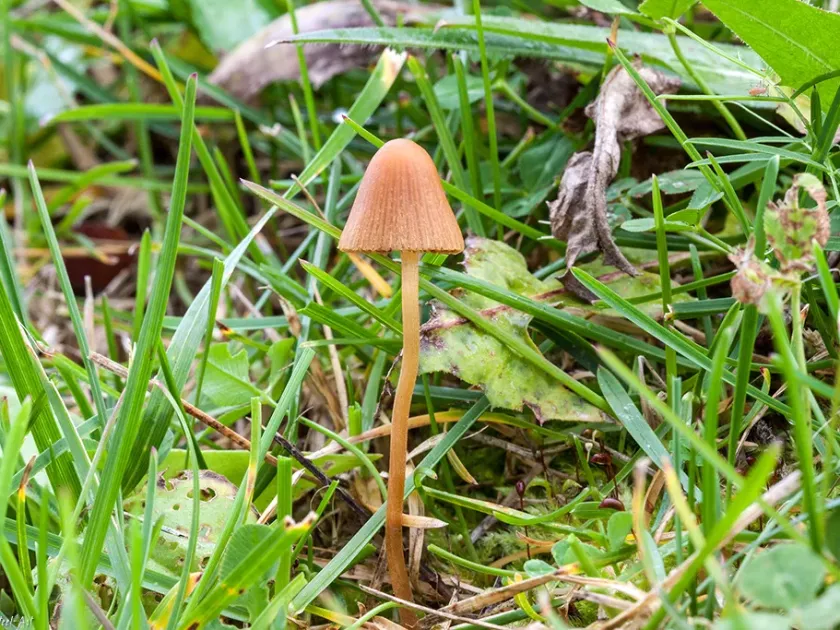
Description
Pathogen
Conocybe is a genus of small, fragile mushrooms belonging to the Bolbitiaceae family, widely known as saprophytic fungi that reside in soil and mulch.
In an agricultural context, they function as decomposers, breaking down dead organic matter, which means they are not true plant pathogens that infect living tissues.
However, their mycelial networks can become so dense in nutrient-rich soils that they compete with plants for water and essential nutrients.
Biologically, these fungi are opportunistic, quickly colonizing areas where high moisture levels and high organic content are present.
While they do not cause wilts or blights, their presence is often viewed as a biological indicator of an unbalanced soil structure or excessive moisture.
Conditions for development
Conocybe species thrive in moist, damp environments, frequently appearing on lawns, in greenhouses, and on potting substrates rich in humus.
They are particularly active following periods of heavy rain or intensive irrigation, which provide the high humidity necessary for the mushrooms to fruit.
The presence of uncomposted materials like wood chips, straw, or manure acts as a catalyst, encouraging the spread of the mycelium throughout the soil profile.
Poor soil drainage and low light levels in greenhouse settings create the perfect microclimate for the rapid development of these fungi.
Temperature fluctuations, particularly mild conditions, support the fungal life cycle, allowing them to remain active throughout the growing season.
Why it matters
The harm caused by Conocybe is primarily indirect, involving the alteration of soil quality and the competition for space within the rhizosphere.
Heavy mycelial growth can create hydrophobic or compacted soil surfaces, which prevents water and fertilizers from reaching the plant roots effectively.
In decorative horticulture, their appearance is aesthetically detrimental and often signals that the mulch layer is too thick or decaying too slowly.
Several species in this genus contain toxins, posing a health risk to pets or children if the mushrooms are consumed within treated areas.
Though they do not kill crops directly, the imbalance they signal can lead to weaker plant development and higher susceptibility to other opportunistic diseases.
Protection
Management of Conocybe focuses on improving cultural practices, specifically by reducing soil moisture through better drainage and irrigation management.
Aerating the soil is a highly effective method to disrupt mycelial growth, as it introduces oxygen and helps dry out the upper substrate layers.
Replacing fresh, poorly decomposed organic matter with fully matured compost or inorganic mulch can significantly reduce the potential for colonization.
Mechanical removal of the fruiting bodies is essential to prevent the release of spores, which would otherwise lead to recurrent outbreaks.
- Improve soil drainage to prevent water stagnation.
- Thin out dense vegetation to increase airflow.
- Avoid over-mulching with raw organic materials.
- Ensure adequate ventilation in greenhouse environments.
Discussion
No discussions yet — be the first.