
Coniothyrium palm leaf spot
Coniothyrium palmarum
Description
Symptoms
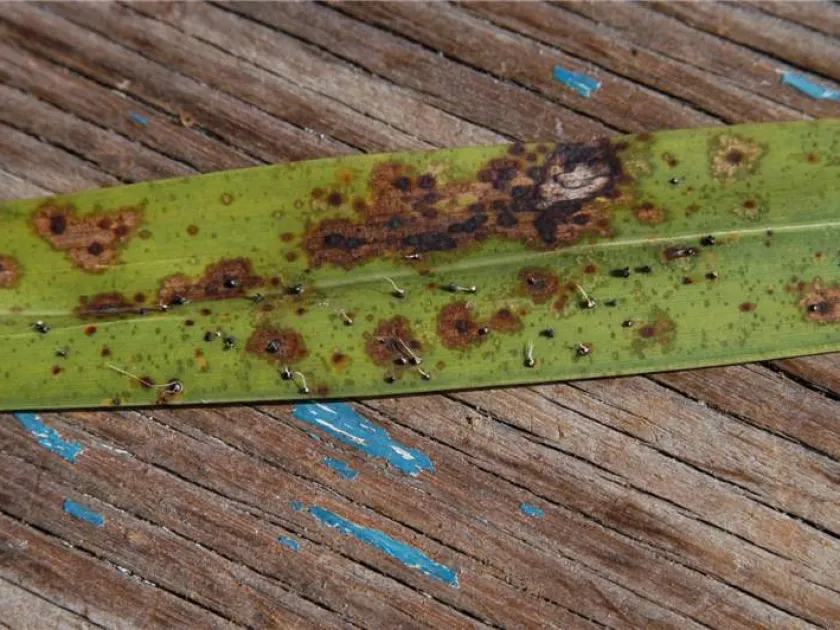
The infection initially manifests as small, irregular brown or reddish-brown spots on the leaf surface, which gradually expand as the infection progresses.
As the spots mature, they often develop a dark brown or blackish color, sometimes surrounded by a distinct yellowish halo representing a chlorotic reaction.
The presence of tiny, black, dot-like pycnidia within the center of the necrotic spots is a diagnostic characteristic of Coniothyrium infection.
Severe infestations lead to extensive tissue death, causing leaves to curl, brown, and eventually wither, which ruins the plant's aesthetic appeal.
Symptoms often emerge on older leaves first, but in high humidity, the fungus can rapidly climb to the crown, potentially threatening the apical bud.
Pathogen
The disease is caused by the fungus Coniothyrium palmarum, a member of the Coelomycetes group. It is a specialized pathogen that primarily targets the foliage of various palm species cultivated in indoor and outdoor settings.
The fungus develops reproductive structures known as pycnidia. These tiny, flask-shaped bodies are embedded within the leaf tissue, where they produce masses of spores that facilitate the spread of the disease.
The pathogen is highly resilient, capable of surviving on fallen leaves, in soil particles, and on greenhouse structures, which makes it a persistent threat to ornamental collections.
Infection cycles begin when spores are dispersed by splashing water, wind, or contaminated tools, landing on susceptible palm tissues where they germinate.
Coniothyrium palmarum excels in colonizing weakened tissues, making it an opportunistic pathogen that exploits imbalances in plant care routines.
Conditions for development
High humidity levels exceeding 70-80% are the primary environmental drivers for the development and proliferation of this fungal disease.
Moderate temperatures ranging from 20°C to 25°C provide the optimal climate for the rapid growth of the fungal mycelium and spore maturation.
Poor ventilation within greenhouses leads to microclimates with stagnant, moist air, which significantly increases the risk of spore germination on palm leaves.
Overhead irrigation systems that keep the foliage wet for extended periods facilitate the rapid spread of the fungus among neighboring plants.
Plants suffering from stress due to inadequate light, poor soil drainage, or improper fertilization are significantly more susceptible to infection.
Why it matters
The primary impact of Coniothyrium palmarum is the degradation of the plant's visual value, which is critical for the nursery and interior decoration industries.
Ongoing infection reduces the photosynthetic capacity of the palm, leading to stunted growth, loss of vigor, and overall plant decline.
Without intervention, the pathogen can kill the growing point of the palm, ultimately resulting in the death of the entire specimen.
Damaged tissues serve as entry points for secondary bacterial and fungal pathogens, complicating the diagnosis and treatment process.
Managing the disease incurs ongoing costs for specialized fungicides, labor-intensive leaf removal, and potential disposal of heavily infected plants.
Protection
Cultural control is the first line of defense: prune and destroy all symptomatic leaves immediately to reduce the overall spore load in the environment.
Optimize irrigation practices by applying water directly to the root zone, avoiding wetting the foliage, and improving overall air circulation in the greenhouse.
Apply preventive or curative fungicide sprays containing copper or systemic compounds to inhibit fungal development on the leaves.
Maintain strict sanitation by disinfecting pruning tools with alcohol or a bleach solution between uses to prevent cross-contamination.
Implement a quarantine period for all new plant acquisitions to ensure that Coniothyrium palmarum is not introduced into an existing healthy collection.
Discussion
No discussions yet — be the first.