
Coniothyriosis
Coniothyriaceae
Description
Symptoms
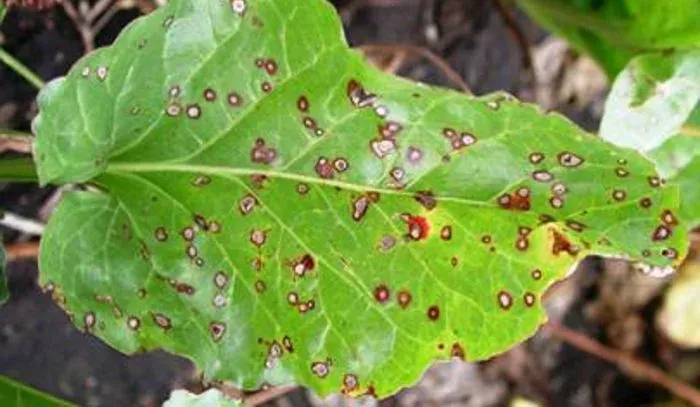
The first signs of infection typically appear as brown, purple, or dark reddish spots on the stems, which gradually enlarge and may encircle the entire shoot.
Small black dots, which are the fungal pycnidia, become visible to the naked eye on the surface of the lesions, marking the active reproductive stage of the pathogen.
As the disease progresses, the bark begins to crack, peel, and flake away, revealing dead tissue underneath that often turns dark and woody or dry.
Plants affected by coniothyriosis show symptoms such as premature yellowing, wilting of leaves, and the death of apical shoots, known as dieback.
In advanced stages, the structural integrity of the stem is compromised, leading to the brittle breakage of affected branches and a significant decrease in vigor.
Pathogen
The causative agent of the disease is a fungus from the genus Coniothyrium, belonging to the family Coniothyriaceae, which typically infects the stems and bark of plants.
This pathogen is classified as an imperfect fungus that reproduces by forming small, dark, round structures known as pycnidia, which emerge from the infected plant tissues.
Conidia (spores) are released from these pycnidia in slimy droplets and are efficiently spread by rain splashing, wind currents, and gardening tools used on infected plants.
The fungus is capable of surviving for long periods in necrotic plant material, bark crevices, or soil debris, effectively overwintering until the next growing season.
The fungus infiltrates the host tissues, primarily through open wounds or natural openings, colonizing the vascular system and destroying the healthy plant cells from within.
Conditions for development
High humidity and prolonged periods of rainfall are the primary environmental drivers for the development and spread of coniothyriosis in garden settings.
Poor ventilation and overcrowded planting density create a microclimate that prevents foliage and stems from drying out, favoring fungal spore germination.
Mechanical injuries, including those caused by frost cracking, insect feeding, or improper pruning, provide direct entry points for the pathogen into the plant tissues.
Warm temperatures, generally ranging from 15°C to 25°C, are optimal for the rapid growth of the mycelium and the production of new infection cycles throughout the spring.
Inadequate sanitation practices, such as leaving diseased plant parts on the ground, contribute significantly to a high inoculum level in the soil and surrounding environment.
Why it matters
Coniothyriosis is particularly damaging to berry crops like raspberries and blackberries, as well as woody ornamentals like roses, causing significant losses in yield.
The destruction of vascular tissues hinders the movement of water and nutrients, causing the plant to suffer from chronic stress and reduced photosynthetic capacity.
Severely infected plants exhibit poor winter hardiness, often succumbing to frost damage due to their weakened state and inability to store sufficient reserves.
The loss of major fruiting canes or branches leads to diminished production and may necessitate the removal and replacement of entire plant sections or rows.
Frequent chemical management and labor-intensive sanitation protocols increase the overall cost of maintenance and production for both gardeners and commercial growers.
Protection
Strict sanitary pruning is the cornerstone of control; all symptomatic wood should be removed and destroyed immediately to eliminate the source of infection.
Ensuring optimal plant spacing and using proper pruning techniques improve airflow, significantly reducing the chances of the fungus taking hold on healthy shoots.
Applying protective copper-based fungicides or appropriate systemic treatments during the early spring and rainy seasons can prevent infection of new growth.
Improving the overall health of the plant through balanced fertilization and adequate hydration helps boost the plant's natural immune response to the pathogen.
- Disinfecting pruning shears between cuts using alcohol to prevent the cross-contamination of healthy plants.
- Using wound paint or grafting wax on larger cuts to block physical access for fungal spores.
- Selecting resistant or tolerant plant varieties during the planning stage to minimize future disease occurrence.
Discussion
No discussions yet — be the first.