
Coniosporiosis
Coniosporium
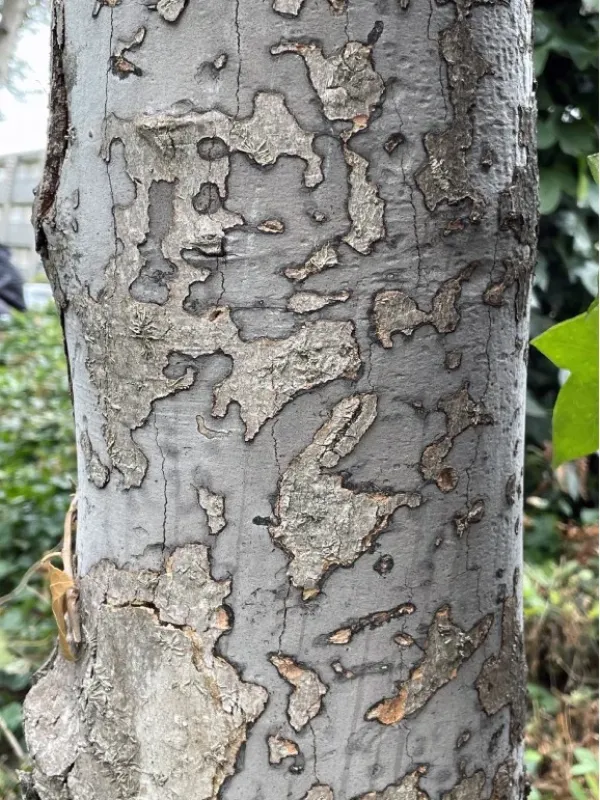
Description
Symptoms
The main symptom of coniosporiosis is the appearance of specific coatings or pustules on plant organs. The color of these formations varies from olive to black, which is caused by mass sporulation of the fungus on the surface of the infected tissues.
When stems or leaves are affected, necrotic spots of irregular shape are formed. As the disease progresses, these spots may merge, leading to premature drying and death of the leaf blades or damaged stem sections.
In cases of fruit or generative organ infection, the fungus forms dense clusters of spores that can cover the surface of the skin, causing it to darken and crack. This significantly reduces the quality of the produce and makes it unsuitable for long-term storage.
Microscopic examination of the affected areas reveals chains or groups of conidia. Plants under pathogen attack show noticeable growth retardation, and their physiological processes (such as photosynthesis and respiration) are suppressed due to the loss of epidermal integrity.
Visual signs often appear first on lower leaves or organs that have direct contact with the soil, where air humidity remains stably high, which promotes primary infection.
Pathogen
The causative agent of the disease is the imperfect fungus of the genus Coniosporium. These microorganisms belong to the deuteromycetes group and are characterized by the formation of small dark conidia that accumulate as pustules or coatings on the surface of infected tissues.
The life cycle of the pathogen is closely related to plant debris, where the fungus can persist for a long time. In agronomic terms, these fungi often act as saprotrophs or weak parasites that activate when the host plant's immunity is weakened.
The fungus spreads actively via spores, which are carried by wind, raindrops, or insects over long distances. Under favorable conditions, the spores germinate, penetrating plant tissues through stomata or mechanical injuries to the epidermis.
A biological feature of this pathogen is its high survival rate in various climatic conditions. The mycelium is capable of enduring significant temperature fluctuations and periods of drought, remaining viable in the soil and on crop residues.
Taxonomically, representatives of the Coniosporium genus can be associated with various types of spotting, but their role in pathogenesis often requires differential diagnosis, as they frequently develop as secondary microflora.
Conditions for development
A key factor in the development of coniosporiosis is high humidity in the air and on the plant surface. Prolonged fog, dew, or frequent precipitation create an ideal environment for spore germination and active development of the fungal mycelium.
Optimal temperature ranges for fungal reproduction are moderate. However, many species of this genus show high plasticity and can develop even at relatively low temperatures, which extends the period of their harmfulness.
Poor agricultural practices, such as excessive crop density, create a microclimate with restricted air circulation. In such conditions, moisture stays on plants longer, creating critical prerequisites for mass infection.
The presence of large amounts of unharvested crop residues in the field is a primary reservoir of infection. In this environment, the fungus survives between seasons and infects young seedlings of crops at the beginning of the growing period.
Another risk factor is unbalanced plant nutrition, especially an excess of nitrogen fertilizers. Excessive vegetative growth with potassium deficiency makes tissues looser and more vulnerable to the penetration of parasite hyphae.
Why it matters
The harm of coniosporiosis lies primarily in the reduction of overall crop productivity. The impairment of the photosynthetic capacity of leaves leads to crop losses and a decrease in the quality of the produced yield.
Severe damage to generative organs leads to a decrease in seed germination or complete seed failure. For vegetable and fruit crops, the disease is also dangerous due to the sharp reduction in storage life, as necrotic areas become entry points for secondary infections.
Under production conditions, an epiphytotic development of the disease can lead to significant economic losses. Mass premature leaf fall disrupts carbohydrate metabolism, weakening the plant before winter or its dormant period.
In perennial plantations, constant infection of shoots with coniosporiosis leads to gradual exhaustion of the plant. Nutrient outflow is disrupted, which manifests as reduced winter hardiness and the gradual drying out of individual branches or bushes.
In addition to direct impact, the disease provokes significant expenses for protective measures. The need for fungicide application increases the cost of production, making fungal control an economically significant task for agricultural enterprises.
Protection
The foundation of coniosporiosis prevention is adherence to crop rotation. It is unacceptable to plant susceptible crops in the same field for several consecutive years, as this leads to the accumulation of inoculum in the soil horizon.
Thorough incorporation and destruction of crop residues after harvest allow for a radical reduction in the pathogen population density. Deep autumn plowing promotes rapid organic matter decomposition and the death of fungal mycelium.
The use of resistant cultivars and hybrids is the most effective biological control method. Breeding efforts allow for minimizing infection risks, making crops less susceptible to spore penetration into tissues.
The application of systemic and contact fungicides is justified during periods of high infection pressure. It is important to carry out treatments preventively or at the first signs of the disease, strictly observing the recommended dosage of the preparation.
Agrotechnical measures include regular ventilation of crops (optimal density), timely removal of weeds — which can act as intermediate hosts, and the use of balanced fertilizer rates to strengthen the plant's natural immunity.
Discussion
No discussions yet — be the first.