
Coniophora
Coniophora
Description
Symptoms
The first signs of infection include a noticeable darkening or yellow-brown discoloration of the affected wooden surfaces.
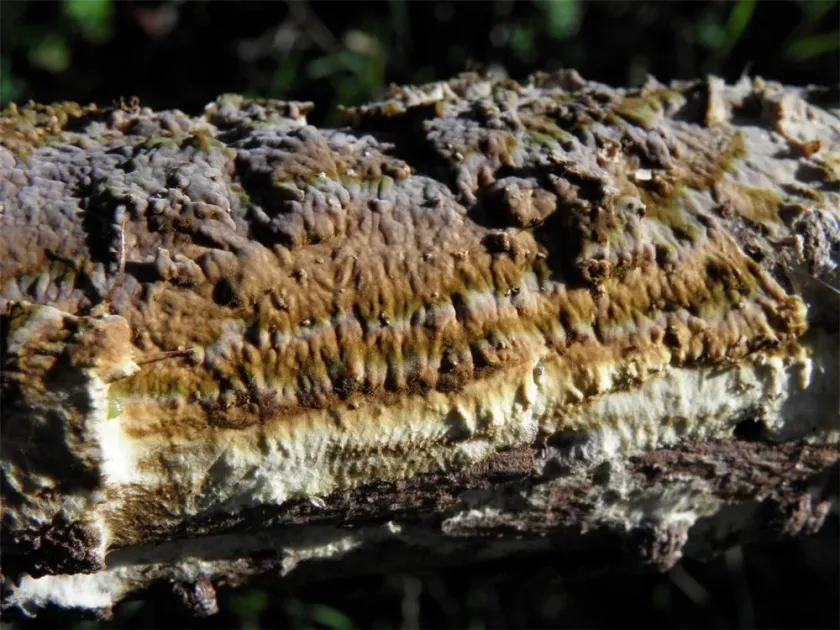
A thin, yellow or brown mycelial mat often forms over the surface of the wood as the infection progresses to maturity.
A hallmark symptom is the cube-like cracking of the wood, known as cubical rot, where the timber breaks into brittle segments.
The structural strength of the wood is severely compromised, causing it to become soft, spongy, or easily crumbled by pressure.
On advanced stages, the fungus may produce flat, crust-like fruiting bodies with an irregular or bumpy surface texture.
Pathogen
The disease is caused by basidiomycete fungi of the Coniophora genus, most notably Coniophora puteana, often referred to as wet rot.
These are saprotrophic fungi that specifically decompose cellulose and lignin, the main structural components of wood.
The fungus is classified as a destructive brown rot agent that affects both softwood and hardwood species in various settings.
The mycelium colonizes the inner structure of the timber, gradually breaking down the cellular integrity of the wood fibers.
Reproduction occurs through spores that can survive in challenging environmental conditions, waiting for moisture to trigger growth.
Conditions for development
High moisture content in the wood is the primary prerequisite for Coniophora growth, typically requiring levels above 20 percent.
The fungus thrives in moderate temperature ranges, with optimal growth occurring between 20 and 25 degrees Celsius.
Poor ventilation and a lack of proper airflow contribute to the moisture buildup necessary for the fungus to establish itself.
Contact with damp soil, concrete, or non-insulated foundation materials often serves as an entry point for fungal spores.
Shaded, stagnant, and humid environments are ideal for the rapid expansion of the mycelium throughout the timber.
Why it matters
Coniophora causes total loss of mechanical properties in wood, rendering structural elements unsafe for their intended use.
Buildings, poles, and timber supports can suffer catastrophic failure due to the deep degradation caused by the fungal activity.
The fungus spreads quickly through spores, threatening to contaminate entire storage facilities or large wooden building structures.
Economic damage is severe, as the removal and replacement of rotten structural wood involve significant labor and material costs.
Untreated wood in contact with ground moisture is particularly vulnerable, leading to long-term maintenance and structural issues.
Protection
Maintaining low moisture levels through effective drying and moisture management is the most important preventive measure.
Providing consistent ventilation in basements and storage areas prevents the accumulation of the damp air needed for fungal growth.
The use of professional wood preservatives and fungicidal treatments is essential for protecting vulnerable timber from infestation.
Isolating wood from direct contact with ground, brick, or concrete surfaces via moisture barriers is a critical construction standard.
Regular inspections allow for early detection of infected areas, which must be excised and treated to prevent further spreading.
Discussion
No discussions yet — be the first.