
Coniella fruit rot
Coniella granati
Description
Symptoms
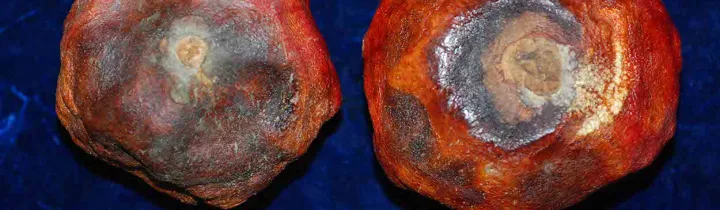
The primary symptom of Coniella fruit rot is the appearance of characteristic spots on the pomegranate fruit. Initially, these manifest as small, slightly sunken areas with a brown or dark tan coloration.
Over time, these spots expand rapidly, covering a significant portion of the fruit's peel. Tissues in the affected area begin to soften, leading to premature shedding of young fruit or decay of mature specimens.
In high humidity, numerous tiny pycnidia of the pathogen develop on the surface of the lesions. They appear as small black dots that are clearly visible to the naked eye.
The internal tissues of the fruit also undergo degradation. The fungus penetrates deep into the seed chambers, causing the pomegranate arils to blacken and rendering them unfit for consumption.
Leaves and branches are affected less frequently, although under high disease pressure, necrotic spots may form, weakening the plant's overall vitality and reducing its photosynthetic capacity.
Pathogen
The disease is caused by the microscopic imperfect fungus Coniella granati. It belongs to the class of deuteromycetes and specializes in infecting pomegranate tree tissues.
The fungus survives in infected plant debris, fallen fruit, and cracks in the tree bark as pycnidia or mycelium. This allows the pathogen to successfully endure unfavorable winter conditions.
During the growing season, the infection spreads via conidia. These are dispersed by rain splashes, wind currents, and insects that visit the blossoms and fruits of the pomegranate.
Infection often enters the plant through natural openings, such as stomata, or through micro-wounds on the peel caused by pests or mechanical damage during horticultural practices.
The biology of the pathogen is closely linked to a compromised host immune system, making Coniella granati a dangerous pathogen capable of causing significant damage in poorly managed orchards.
Conditions for development
Coniella fruit rot development is favored by high humidity, especially during the fruit ripening stage. Frequent rainfall and fog create an ideal environment for conidia germination.
Optimal temperature ranges for active fungal growth are between +20°C and +28°C. During these periods, the incubation period of the disease is significantly shortened.
Dense, poorly ventilated tree canopies create a microclimate with excess humidity. This dramatically increases the risk of rapid pathogen spread within a single tree and across the entire orchard.
Improper irrigation practices, leading to water stagnation or excessive moisture in the root zone, indirectly contribute to the development of fungal infections, including Coniella.
Damage to the fruit caused by insect pests, such as the pomegranate moth, provides direct entry points for the infection, accelerating the rate of spoilage throughout the crop.
Why it matters
The main threat posed by Coniella is the loss of commercial fruit quality. Due to spotting and subsequent rotting, a significant portion of the harvest becomes unmarketable.
The disease can cause mass shedding of young fruit, leading to a critical decline in the pomegranate orchard's productivity for the season.
Affected fruits are susceptible to secondary infection by other rot-causing microorganisms. This makes storage almost impossible, as the rot spreads quickly to healthy fruit.
Chronic fungal infection leads to physiological exhaustion of the plant. Long-term, this reduces the tree's winter hardiness and its ability to flower effectively in future seasons.
Economic losses include costs for fungicide treatments, lost profit from unmarketable produce, and the need for additional sanitation efforts to clear the orchard of inoculum.
Protection
Regular sanitary pruning is the cornerstone of disease prevention. Removing dry, diseased branches and timely disposal of fallen fruits help reduce the infection load in the orchard.
Managing populations of insect pests that damage fruit skin is essential. The use of pheromone traps and insecticides helps maintain fruit integrity.
At the first sign of the disease, applying contact or systemic fungicides is recommended. Always adhere to the application rates and schedules provided by the manufacturer.
In young orchards, avoid overcrowding. Proper canopy management ensures good airflow, which prevents moisture from accumulating within the tree structure.
Applying balanced fertilizers, with a focus on potassium and phosphorus, strengthens fruit tissues and improves the pomegranate's overall resilience against phytopathogens.
Discussion
No discussions yet — be the first.