
Colpoma
Colpoma
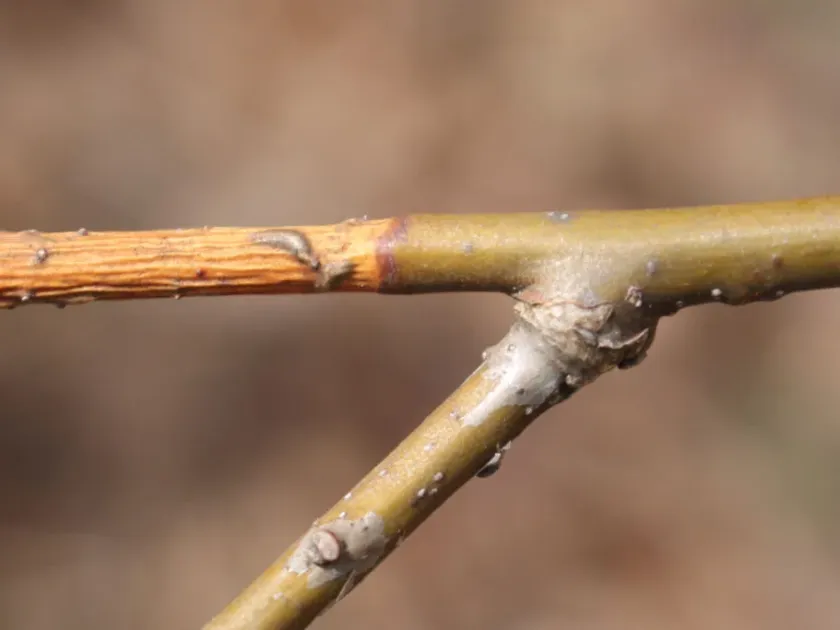
Description
Symptoms
The primary symptom of a Colpoma infection is the emergence of elongated fungal fruiting bodies on the needles, often appearing as distinct raised strips.
During the sporulation stage, affected needles typically lose their natural shine and turn a characteristic yellow or brownish color.
The infection is most commonly observed on the lower branches, where moisture persists for longer periods, providing an ideal environment for the fungus.
Premature needle drop is a frequent consequence of the disease, leading to visible thinning and sparseness of the tree canopy over time.
Close inspection reveals dark, protruding structures that erupt through the needle epidermis, facilitating the release of spores into the surrounding area.
Pathogen
The disease is caused by an ascomycete fungus from the genus Colpoma, which is a specialized parasite of various coniferous tree species.
This pathogen thrives by penetrating the needle tissues, utilizing host nutrients to support its growth and subsequent reproductive stages.
The life cycle involves the formation of apothecia, which contain spores that are dispersed by wind, allowing the infection to spread across the forest floor.
The fungus can survive and remain infectious within fallen needle litter, which serves as a long-term reservoir for the pathogen in the environment.
Biology of the fungus is highly sensitive to environmental moisture, with the most significant activity occurring during damp weather patterns.
Conditions for development
Prolonged periods of high humidity and rainfall, particularly during the spring and autumn, are the primary triggers for Colpoma development.
Dense forest stands or plantations with poor air circulation create stagnant microclimates that promote rapid fungal colonization.
Trees that are already stressed due to poor soil quality, nutrient deficiencies, or drought are significantly more susceptible to infection.
A buildup of needle debris around the base of the trees increases the local spore load, making reinfection more likely in subsequent seasons.
Mechanical damage to the needles, caused by insects or harsh weather, provides easy entry points for the pathogen to establish itself within the tree.
Why it matters
Colpoma causes significant damage to young conifers by inducing premature defoliation, which hampers the overall vitality of the stand.
By interfering with the photosynthetic process, the disease stunts growth and weakens the tree's defensive response to other stressors.
In nursery settings, the fungus can lead to mass losses of seedlings, creating substantial economic setbacks for forestry operations.
The aesthetic value of trees is severely compromised, which is particularly detrimental for landscaping and ornamental conifer plantings.
Persistent infestation leads to branch dieback, ultimately reducing the structural integrity and longevity of the affected trees.
Protection
Sanitation practices such as the collection and destruction of infected fallen needles are essential for reducing the primary inoculum levels.
Regular thinning of dense forest stands helps improve air circulation and sunlight penetration, making the environment less favorable for the fungus.
The strategic application of fungicides, when timed correctly during periods of high spore release, can help control localized disease outbreaks.
Maintaining optimal tree vigor through proper fertilization and site management enhances the natural resilience of conifers against fungal attacks.
- Pruning and removal of infected branches.
- Strict hygiene protocols in forest nurseries.
- Monitoring of canopy health during damp weather intervals.
Discussion
No discussions yet — be the first.