
Collybia tuberosa
Collybia tuberosa
Description
Symptoms
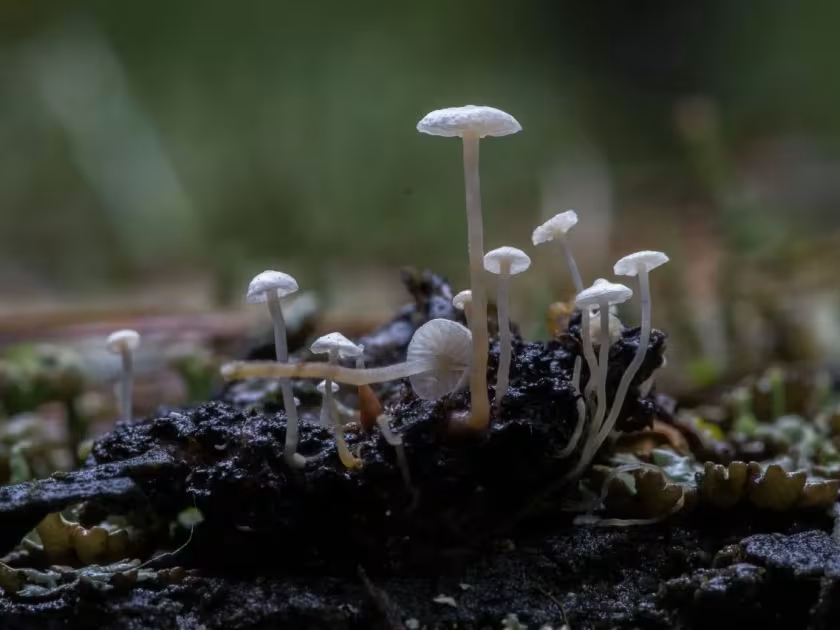
The fungus manifests as small, cream-colored fruit bodies emerging from decaying fungal debris in the soil or leaf litter.
The most reliable identifying sign is the presence of a reddish-brown to dark brown sclerotium at the base of the stem, often buried just below the surface of the substrate.
The caps are typically very small, measuring about 1–2 cm, supported by a thin, tough stem that connects to the sclerotium.
Visual identification requires close inspection of the ground, as the mushrooms are small and rarely form massive colonies.
Since the presence of this fungus is not linked to plant health issues, signs of plant distress such as wilting or chlorosis are likely caused by other pathogens or abiotic factors.
Pathogen
Collybia tuberosa is a small agaric mushroom belonging to the family Marasmiaceae. It is essential to clarify that this species is not a plant pathogen and does not cause diseases in agricultural crops.
This organism is classified as a mycophilous saprotroph. Its biological lifestyle is focused on decomposing the remains of other fungi, meaning it has no parasitic interaction with living plant tissues.
The life cycle of Collybia tuberosa is specialized; it thrives exclusively on the decaying fruit bodies of larger mushrooms, such as Russula or Lactarius species.
A distinctive feature of this fungus is the formation of sclerotia, which are small, hardened mycelial knots that help the fungus survive in the soil during periods of environmental stress.
Because it lacks the ability to infect roots or aerial plant parts, it poses absolutely no risk to the health or yield of crops.
Conditions for development
The development of Collybia tuberosa is strictly dependent on the availability of its specific host: the decaying remains of other fungal species.
It prefers habitats with high humidity and shade, such as wooded areas, gardens with thick mulch, or moist soils rich in organic matter.
Optimal conditions for fruit body formation occur during the wet late summer and autumn months when soil moisture levels remain consistently high.
It thrives in ecosystems where fungal decomposition is active, making it a natural part of the nutrient cycling process in the soil.
While spores are wind-dispersed, the fungus only colonizes areas where suitable fungal substrates are available to support its mycelium.
Why it matters
There is no economic harm associated with Collybia tuberosa as it does not affect living plants, trees, or crops.
It acts solely as a decomposer, assisting in the breakdown of organic material and playing a beneficial role in soil health and nutrient mineralization.
Confusion often arises when gardeners or farmers observe this fungus near damaged plants, but its presence is merely incidental and coincidental.
It does not produce toxins that affect plant physiology, nor does it compete with crops for resources, as it occupies a very specific niche in the fungal community.
Therefore, it is classified as a non-pest organism in both agricultural and horticultural contexts.
Protection
No control measures are necessary for Collybia tuberosa, as it is a harmless saprotroph and not a plant disease.
The application of fungicides against this fungus is highly discouraged, as it disrupts the natural soil microbiology and offers no agricultural benefit.
If you wish to keep your garden or field clear of fungal growth, focus on standard horticultural practices like improving air circulation and managing excess organic waste.
Maintaining a balanced soil environment naturally limits the accumulation of excessive debris that might support a high density of saprotrophic fungi.
- Ensure proper soil drainage.
- Avoid unnecessary chemical fungicide applications.
- Regularly manage excessive accumulations of plant and organic waste.
Discussion
No discussions yet — be the first.