
Collybia
Collybia
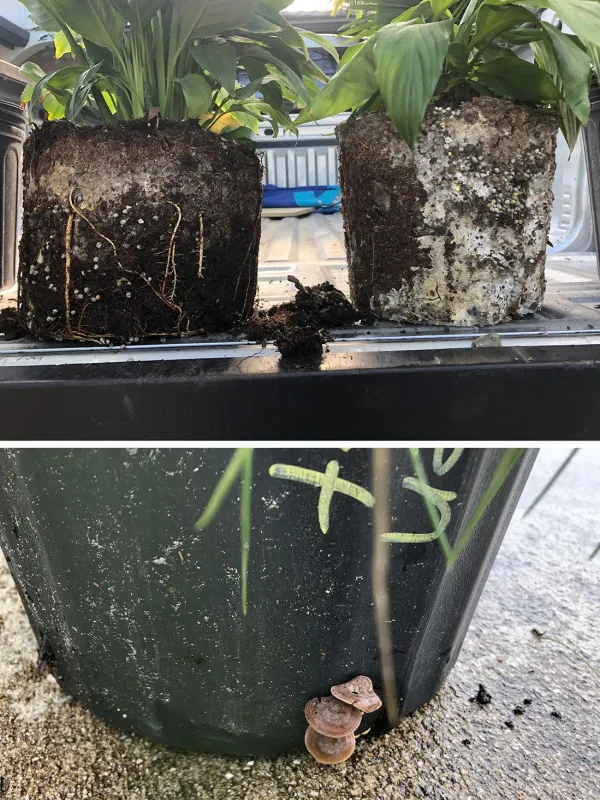
Description
Symptoms
The initial symptom of Collybia infection is the visible wilting of leaves, which often recovers at night but persists during the day, indicating compromised vascular transport.
A closer inspection of the root collar reveals darkened, brown or reddish-brown lesions. The tissue in these areas becomes soft, mushy, and eventually necrotic.
White or cream-colored fungal mycelium may appear on the surface of infected roots, appearing as thin, thread-like structures that spread through the rhizosphere.
The root system becomes fragmented and loses its structural integrity. Plants are easily pulled from the ground as the roots have been largely destroyed by decay.
In advanced stages of infection, a distinct damp or musty odor is often present, resulting from the fungal breakdown of root tissue combined with secondary bacterial growth.
Pathogen
Collybia refers to a genus of fungi that includes several species capable of acting as facultative parasites, targeting the root systems and root collars of various plants.
The pathogen exists primarily as a soil-borne organism, capable of surviving for long periods on decaying plant debris and in the soil matrix, awaiting favorable conditions.
It acts as an opportunistic invader, primarily attacking plants that are already weakened by stress, environmental factors, or physical injuries to the root system.
The biological cycle of the fungus involves the release of enzymes that break down the cellular structure of roots, allowing the mycelium to colonize host tissues rapidly.
While often saprophytic, the fungus demonstrates pathogenic capabilities under specific agricultural conditions where soil health has been degraded.
Conditions for development
Excessive soil moisture and poor drainage are the primary factors that favor the development of Collybia, creating the anaerobic environment the fungus prefers.
Low soil temperatures combined with high humidity create a favorable climate for the fungus, while simultaneously stressing the crop and reducing its immune resistance.
Continuous cropping of the same susceptible species leads to a buildup of inoculum in the soil, significantly increasing the risk of disease outbreak.
Physical injuries to the roots, caused by mechanical cultivation, soil-dwelling pests, or poor handling during transplanting, provide easy access for the pathogen.
High plant density and restricted airflow contribute to stagnant conditions at the soil surface, further facilitating the spread of spores between neighboring plants.
Why it matters
The primary damage caused by Collybia is the destruction of the plant's ability to take up nutrients and water, inevitably leading to plant death and reduced yields.
The disease often occurs in patches within a field or greenhouse, spreading through soil water, contaminated tools, or infested irrigation systems, leading to total crop loss.
Infected harvestable products like roots or tubers may rot during storage, leading to significant economic losses for farmers and retailers.
Stunted growth is commonly observed in plants that survive the initial infection, resulting in poor-quality produce that fails to meet market standards.
The long-term survival of the pathogen in the soil complicates future cultivation plans, necessitating prolonged periods of crop rotation or expensive soil treatment.
Protection
Integrated management is essential, starting with robust crop rotation strategies to break the pathogen's life cycle by eliminating its preferred hosts.
Improving soil aeration and drainage is a critical preventive measure, ensuring that the root zone remains healthy and less conducive to fungal development.
Biological control agents, such as beneficial fungi or bacteria like *Trichoderma* or *Bacillus* species, can be used to outcompete the pathogen in the rhizosphere.
Key mitigation strategies include:
- thorough sanitation of tools and equipment;
- careful removal and disposal of infected plant material;
- use of fungicide-treated seeds to provide initial protection.
Chemical intervention involving systemic soil drenches can be effective in containing the spread of the infection if applied immediately upon the detection of the first symptoms.
Discussion
No discussions yet — be the first.