
Zoysia Anthracnose
Colletotrichum zoysiae
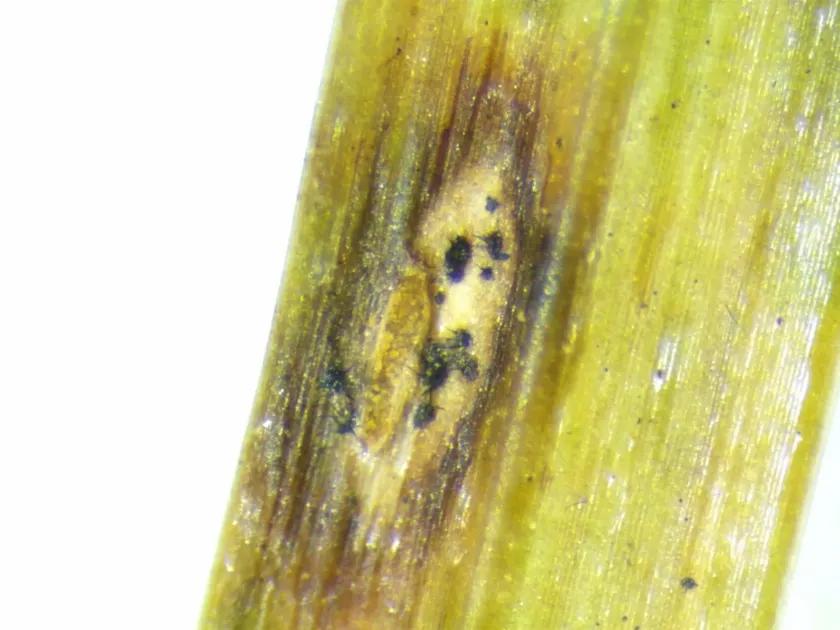
Description
Symptoms
The first symptoms typically appear as yellowing or browning patches on the lawn. These areas often develop a distinct copper or bronze appearance as the tissue dies off.
Upon closer inspection, small, dark, hair-like structures known as acervuli can be seen on the affected leaves. These are the fungal fruiting bodies that indicate active sporulation.
Under high humidity, a greyish, fuzzy mycelial growth may become visible on the infected blades. This is a clear indicator that the fungus is spreading and potentially impacting neighboring plants.
Roots can also be affected, leading to a shallow root system and overall plant weakness. This causes the turf to lose density and become susceptible to physical wear and pull-out.
- Yellowing or copper-colored patches.
- Visible dark spots (acervuli) on leaf blades.
- Thinning of the turfgrass stand.
- Premature wilting in affected areas.
- General stunted growth and lack of vigor.
Pathogen
The disease is caused by the fungal pathogen Colletotrichum zoysiae, a member of the ascomycete group. It specifically targets Zoysia grass species, colonizing the leaf blades and sheaths during periods of active growth.
The fungus survives as mycelium or sclerotia in plant debris and soil, allowing it to persist throughout the year. Conidia (spores) are the primary source of spread, moving via splashing water, wind, or equipment contamination.
Infection is initiated when conidia germinate on the leaf surface. The pathogen penetrates the tissue through stomata or wounds, subsequently breaking down cell walls and absorbing nutrients from the host plant.
The severity of the disease is highly dependent on the physiological state of the host. Stress factors such as heat, drought, or nutrient deficiency create an environment that favors the pathogen’s colonization.
The pathogen exists in various strains, which may differ in their environmental requirements and aggressiveness, making disease management complex in diverse climate zones.
Conditions for development
Zoysia anthracnose thrives in warm and humid conditions. High temperatures combined with prolonged leaf wetness are the primary triggers for significant disease outbreaks.
Poor soil drainage and low light levels exacerbate the issue. If the grass remains moist for extended periods, the risk of fungal germination increases substantially.
Stress caused by improper mowing heights—especially cutting too low—weakens the plant and creates wounds, providing easy entry points for Colletotrichum zoysiae spores.
Nutrient imbalances, particularly nitrogen deficiencies, make Zoysia lawns more vulnerable. Excessive moisture during warm nights further promotes the development of the pathogen.
Lack of proper aeration leads to soil compaction, which inhibits root health and overall plant defense mechanisms, allowing the fungus to establish more easily.
Why it matters
The disease causes significant damage to the aesthetic quality of turf, creating irregular patches and thinning areas that mar the appearance of golf courses and residential lawns.
If left unmanaged, the infection can spread rapidly, leading to the total collapse of the turfgrass stand in severe cases, requiring expensive renovation or complete re-seeding.
Affected lawns lose their ability to recover from mechanical damage, such as foot traffic or sports activities. This leads to long-term degradation of the surface utility.
The pathogen depletes the energy reserves of the Zoysia stolons and roots, significantly reducing the lawn's ability to survive winter or harsh summer droughts.
Economic impact is twofold: the cost of implementing professional fungicide treatments and the loss of property value or functional capacity of the sports/park turf.
Protection
Preventive care is the most effective approach. This includes balanced fertilization, proper mowing heights, and regular core aeration to reduce soil compaction and enhance gas exchange.
Watering practices should be adjusted to allow the leaf surface to dry out fully by early afternoon. Avoiding irrigation in the evening significantly reduces the time for spores to germinate.
When the disease reaches a critical threshold, chemical control using systemic fungicides is recommended. It is essential to rotate products with different modes of action to prevent resistance.
Sanitation is crucial; remove or mulch clippings properly if they are suspected of carrying the pathogen. This reduces the inoculum load on the site for the next season.
Incorporating resistant Zoysia cultivars is the best long-term strategy for lawn establishment. Selecting varieties bred for disease resistance can minimize the need for chemical intervention.
Discussion
No discussions yet — be the first.