
Anthracnose
Colletotrichum roseum
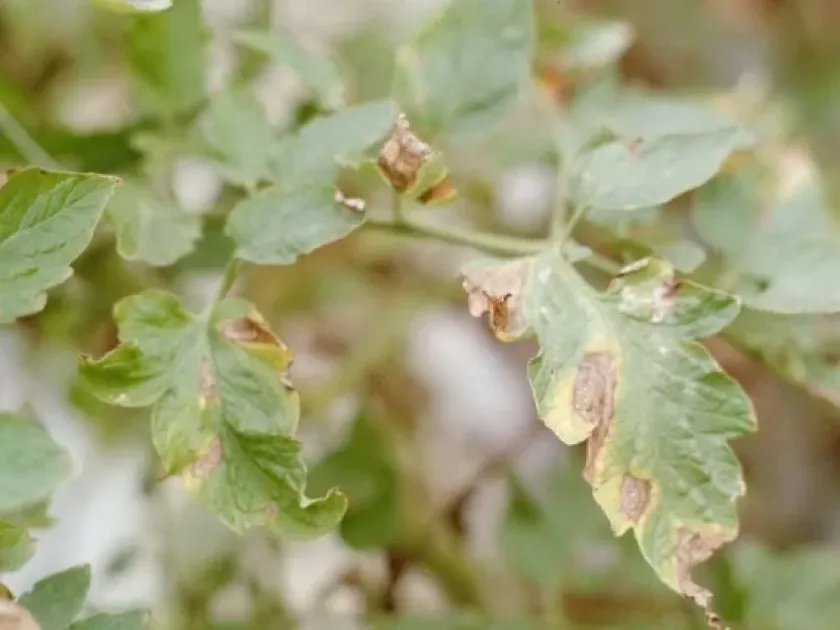
Description
Symptoms
The primary symptoms of anthracnose include the appearance of small brown or dark spots on leaves, stems, and fruit, often surrounded by a distinct halo.
As the disease progresses, these spots expand and become sunken, which is a classic indicator of Colletotrichum infection.
In high humidity, the surface of these lesions often develops small, cushion-like structures representing the fungus's sporulation, which may appear pink, yellow, or dark in color.
- Deformation and curling of leaves.
- Cracking of stems leading to deep ulcers.
- Premature defoliation and rotting of fruit.
- Stunted growth of apical shoots.
If the root collar or base of the stem is affected, the plant may experience rapid wilting and death due to the disruption of the vascular system.
Pathogen
Anthracnose is a serious fungal disease caused by various species of fungi in the genus Colletotrichum, such as Colletotrichum roseum. This pathogen is known to persist in soil, crop residues, and seeds for extended periods.
The fungus infects a broad range of crops, including legumes, fruits, berries, and vegetables. The pathogen enters plant tissue through mechanical injuries or natural stomata, subsequently spreading mycelium throughout intercellular spaces.
The life cycle of the pathogen is closely linked to environmental moisture. Under favorable conditions, the fungus produces conidia, which are disseminated by rain splash, wind, or insects onto healthy plant tissues.
This infection shows high adaptation to various hosts. Within agroecosystems, the pathogen often migrates from weed species to cultivated crops, ensuring a continuous food supply throughout the growing season.
The fungus produces toxins that suppress the metabolism of the host plant, resulting in premature tissue aging and necrosis at the sites of infection.
Conditions for development
The primary trigger for the widespread development of anthracnose is high humidity, often exceeding 80–90 percent, combined with moderate temperatures between 20 and 25 degrees Celsius.
Frequent rainfall, fog, and heavy dew create an ideal environment for spore germination and successful colonization of plant tissues.
Poor aeration in the canopy, high planting density, and the presence of weeds facilitate moisture retention, significantly increasing the risk of an outbreak.
Neglecting crop rotation and planting susceptible crops on the same field too frequently leads to a significant build-up of the pathogen's inoculum in the soil.
Deficiencies in essential nutrients, particularly potassium and phosphorus, reduce the plant's natural resistance, making crops more susceptible to infection.
Why it matters
Anthracnose causes major economic damage, potentially reducing yields by 30 to 70 percent in years when weather conditions favor the spread of the fungus.
Fruit infection destroys market value, as affected produce rots quickly, loses flavor, and becomes unsuitable for storage or transport.
Severe stem infection causes brittleness, which leads to lodging, making mechanical harvesting significantly more difficult or even impossible.
The disease impairs critical processes like photosynthesis, leading to plant exhaustion and a significant reduction in the sugar and vitamin content of the harvest.
Infected seeds often have low germination rates, and seedlings may die shortly after emergence, necessitating costly replanting of the fields.
Protection
Comprehensive protection against anthracnose begins with the use of high-quality, disease-free seeds that have been treated with systemic fungicides.
Agronomic control includes strict adherence to crop rotation, deep plowing to bury crop residues, and consistent weed management to remove infection reservoirs.
Upon initial detection, it is necessary to apply systemic fungicides, particularly those containing triazoles, strobilurins, or copper-based contact agents.
Maintaining optimal nutrient balance is crucial; excessive nitrogen fertilization should be avoided as it promotes succulent vegetative growth that is more vulnerable to infection.
Improving air circulation through proper plant spacing and thinning helps reduce canopy humidity, creating a less hospitable environment for fungal spore development.
Discussion
No discussions yet — be the first.