
Anthracnose
Colletotrichum omnivorum
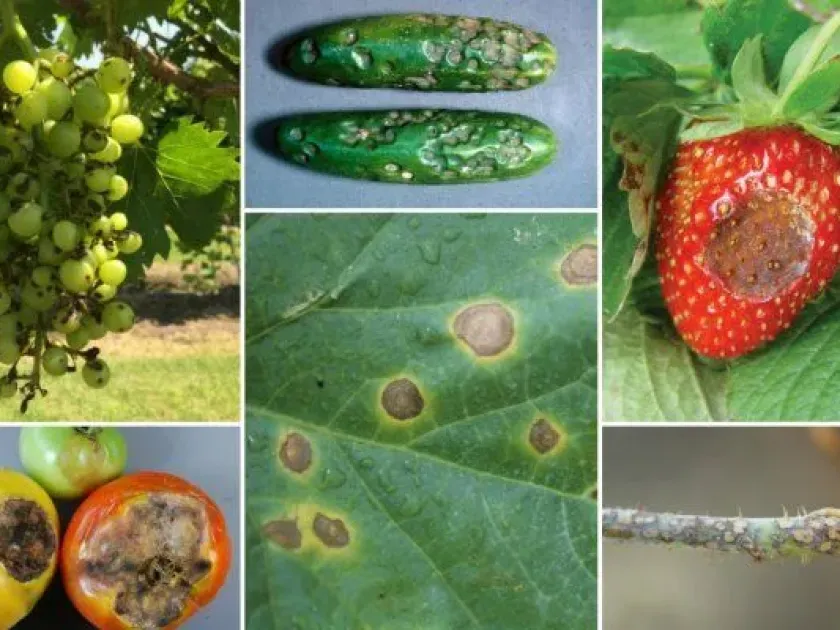
Description
Symptoms
The hallmark of anthracnose is the development of deep, sunken lesions or spots that are brown, dark gray, or black, often with a distinct dark margin. In moist conditions, these lesions develop pinkish or whitish spore masses.
Stem infections typically cause girdling, which results in the wilting and eventual breakage of the stem above the lesion. Leaves show small necrotic spots that may coalesce into larger, blighted areas.
On fruits, the disease manifests as sunken lesions that often develop a concentric pattern. The tissue becomes soft and eventually rots, spreading millions of spores to surrounding healthy tissue.
Affected plant organs lose turgor, become deformed, and often drop prematurely. Under high humidity, a fuzzy gray or pinkish layer of sporulation covers the surface of the infected areas.
- Dark, sunken spots on leaves.
- Stem lesions and girdling.
- Deformed and rotting fruits.
- Pinkish spore masses on surfaces.
- Wilting of individual shoots.
Pathogen
The causal agent of this disease is the imperfect fungus Colletotrichum omnivorum (a member of the Colletotrichum genus), belonging to the class of deuteromycetes. This specialized parasite affects the above-ground parts of plants, including stems, leaves, and fruits.
The fungus's life cycle involves the formation of conidial sporulation in structures called acervuli. Within these structures, conidia are produced and dispersed by water droplets, wind, insects, or contaminated gardening equipment.
The pathogen overwinters as mycelium or sclerotia in plant debris, soil, or seeds. When spring conditions are favorable, the spores initiate primary infection on young, susceptible tissues.
Inside the host plant, the fungus secretes enzymes that break down cell walls, causing necrotic lesions. The incubation period varies from a few days to two weeks depending on the host species and environmental conditions.
The pathogen remains viable in the soil or plant residue for several years, which complicates its eradication once a field or garden has been contaminated.
Conditions for development
Anthracnose thrives under high relative humidity (above 80%) and moderate temperatures ranging from +20°C to +25°C. Frequent rainfall, dew, and foggy conditions are critical for rapid disease spread.
Crowded plantings and poor airflow create a humid microclimate that is ideal for spore germination and host tissue penetration. Inadequate agricultural practices significantly increase the risk of an outbreak.
Plant stress due to nutrient deficiencies, especially in potassium and phosphorus, or an excess of nitrogen, reduces natural immunity, making the plant more vulnerable to infection through natural openings or wounds.
Short crop rotations and the use of infected seeds contribute to the build-up of the pathogen in the soil, leading to severe outbreaks in successive growing seasons.
The spring season, characterized by rain showers, is particularly risky as water splash effectively moves spores from the soil or lower leaves to the upper canopy, facilitating systemic infection.
Why it matters
The damage caused by anthracnose leads to significant yield losses. Stem infections disrupt the vascular system, preventing nutrient transport and leading to the decline or death of the entire plant or specific branches.
The disease ruins the aesthetic and commercial quality of fruits, rendering them unsuitable for market or storage. Economic losses in commercial operations can reach 50-80% of the total harvest.
The pathogen depletes plant resources, negatively impacting long-term vigor, winter hardiness, and the formation of reproductive buds in perennial crops.
Disruption of photosynthesis due to foliage damage results in lower sugar content and stunted growth, which reduces the overall quality of the agricultural product.
In greenhouse settings, anthracnose can decimate seedling populations rapidly, creating infection foci that require intensive sanitation and disinfection protocols.
Protection
The foundation of effective protection is the use of disease-free planting material and resistant crop varieties. Prompt removal and destruction of infected plant material are essential to curb spore production.
Cultural practices include the thorough cleanup and burning of plant debris and deep plowing to bury infected material, which accelerates the decomposition of the pathogen.
Maintaining proper plant spacing and thinning tree canopies improves air circulation, which reduces the moisture levels necessary for fungal spore germination and development.
Chemical control involves the application of systemic and contact fungicides (such as copper-based products, strobilurins, or azoles) during the critical stages of plant growth according to label guidelines.
It is vital to rotate fungicides with different modes of action to prevent the development of resistance within the Colletotrichum population.
Discussion
No discussions yet — be the first.