
Colletotrichum karstii
Colletotrichum karstii
Description
Symptoms
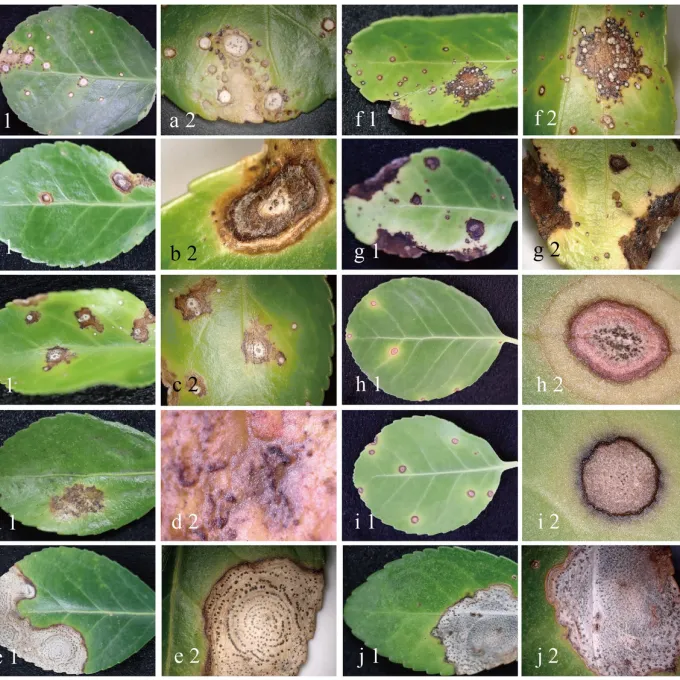
Symptoms typically present as small, circular or irregular lesions on leaves, stems, and fruits. These lesions often become sunken as the infection progresses.
The necrotic tissue often turns dark brown to black and may develop a distinct lighter-colored halo. Under high humidity, masses of orange or pink spores appear in the center of these lesions.
Stem infections manifest as cankers that can girdle the stem, leading to the collapse or wilting of parts or the entire plant due to impaired vascular transport.
Fruit rot is a major symptom, where infected areas soften, discolor, and become rapidly covered with fungal sporulation, often leading to total fruit decay or mummification.
Symptoms can vary depending on the host species, which often necessitates microscopic examination of conidia and culture morphology to confirm the presence of C. karstii.
Pathogen
Colletotrichum karstii is a fungal pathogen belonging to the Colletotrichum gloeosporioides complex. It acts as a primary agent of anthracnose across a wide range of economically important crops.
The pathogen persists in soil, plant debris, and seeds as dormant mycelium or conidia, enabling it to survive unfavorable seasons and re-infect new host populations.
Dissemination is achieved through the production of conidia within acervuli. These spores are efficiently dispersed by splashing water, rain, wind, and insect vectors.
This fungus exhibits significant genetic diversity, allowing it to adapt to various environmental conditions and overcome host defense mechanisms, making breeding for resistance a complex task.
The biology includes an endophytic phase, where the fungus remains latent within plant tissues for extended periods before transitioning into the necrotrophic phase when the host is stressed.
Conditions for development
Development is highly dependent on climate, with optimal infection occurring at temperatures between +22°C and +28°C combined with high humidity levels.
Extended periods of rainfall, heavy dew, or prolonged overhead irrigation create an environment where spores germinate and infect host tissues within hours.
Poor airflow and high density in planting exacerbate the spread of the disease, especially in greenhouse environments where microclimates favor fungal proliferation.
Mechanical damage to plant tissue from hail, insect feeding, or agricultural tools serves as a primary entry point for the fungal spores to colonize the plant.
Plants under nutrient deficiency or water stress demonstrate reduced defense signaling, making them significantly more prone to rapid infection by this pathogen.
Why it matters
The damage caused by Colletotrichum karstii includes direct yield losses and severe degradation of produce quality, rendering fruits unmarketable.
Premature leaf drop reduces the photosynthetic area of the plant, weakening its vigor and reducing the plant's ability to produce robust harvests in future cycles.
Nurseries are particularly vulnerable, as the pathogen can cause damping-off or crown rot in seedlings, leading to high economic losses and inventory waste.
Post-harvest losses are significant, as latent infections can manifest during shipping and storage, leading to decay even in produce that looked healthy at harvest.
The need for intensive fungicide applications increases production costs and may pose challenges regarding residue management and environmental safety.
Protection
Integrated disease management begins with using disease-free seeds and planting material. Strict quarantine measures should be applied to prevent the introduction of new strains.
Cultural practices include deep plowing to bury infested crop residues, crop rotation, and maintaining proper plant spacing to ensure adequate air circulation.
Water management is critical; switching from overhead irrigation to drip irrigation significantly reduces the likelihood of spore dispersal and infection.
Chemical control involving prophylactic application of fungicides is effective when timed correctly. Rotating chemical groups is essential to prevent the development of resistant fungal populations.
- Implement strict sanitation of tools and equipment.
- Use resistant cultivars when available.
- Apply biological control agents like Trichoderma species.
Discussion
No discussions yet — be the first.