
Anthracnose of amaryllidaceae
Colletotrichum hippeastri
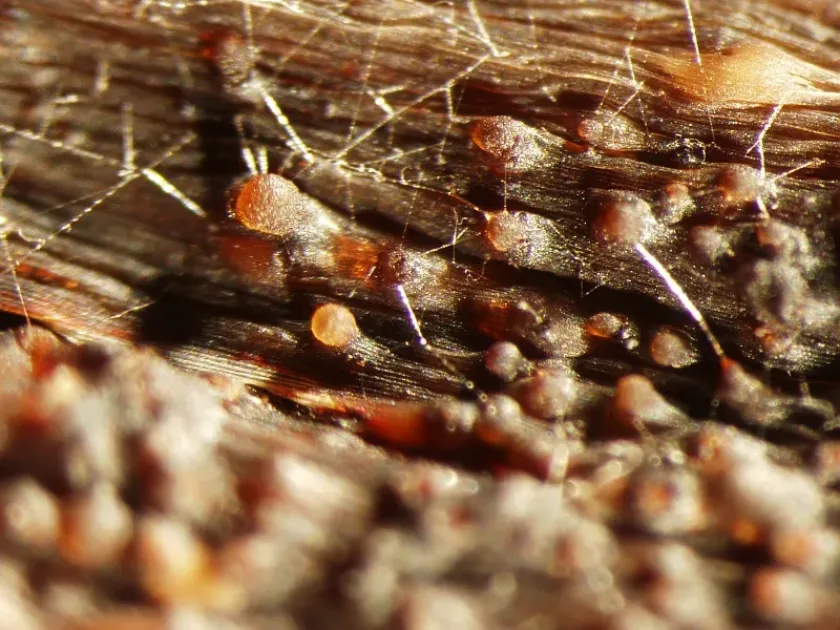
Description
Symptoms
The initial symptoms are characterized by small, reddish-brown spots appearing on leaves and flower stalks. Over time, these spots expand and develop a distinct sunken center with a darker border.
As the infection progresses, the lesions exhibit concentric rings, a classic indicator of Colletotrichum species. In humid conditions, small black fruiting bodies (acervuli) appear on the surface of the lesions.
Stalk infection is particularly damaging, often leading to lodging or bending of the flower scape. This prevents the flower buds from developing properly or causes them to abort before blooming.
Bulb infection manifests as dry, sunken lesions. If the disease reaches the bulb plates or the internal scales, it can lead to soft rot, often accompanied by a secondary bacterial infection if not addressed.
- Reddish-brown spots on leaves and stalks
- Concentric rings within lesions
- Deformed or bending flower scapes
- Black sporulating pustules on necrotic areas
- Bulb rot in severe cases
Pathogen
The disease is caused by the fungus Colletotrichum hippeastri (synonym Glomerella cingulata), which specifically targets plants in the Amaryllidaceae family. This pathogen is a major threat to cultivated Hippeastrum and Amaryllis species.
The fungus propagates through conidia, which are asexual spores that spread rapidly in high-humidity conditions. These spores can germinate on plant surfaces and invade the host tissues through small wounds or stomata.
The pathogen is highly persistent, capable of surviving in dead plant tissue or the soil for extended periods. Its ability to overwinter in dormant bulbs makes it a recurring problem for many growers.
Development involves the secretion of lytic enzymes that break down plant cell walls. This enzymatic activity allows the fungus to colonize the host internally, leading to tissue necrosis and structural failure of the plant parts.
Infection is often exacerbated by poor sanitation practices, as spores remain viable on contaminated pots, tools, and surfaces, waiting for suitable environmental conditions to initiate a new cycle.
Conditions for development
High relative humidity is the most critical factor for the development of Anthracnose. Water films on leaf surfaces provide the necessary medium for spores to germinate and infect the plant tissue.
Temperatures between 20°C and 28°C create the optimal metabolic rate for the fungus to spread. During these periods, the pathogen can complete its life cycle in just a few days.
Inadequate air circulation in greenhouses or homes significantly increases the risk of an outbreak. Stagnant air prevents the drying of leaves after watering, promoting the survival of fungal spores.
Excessive nitrogen fertilizer can make plant tissues more succulent and tender, making them easier for the fungus to penetrate. Balanced nutrition is essential for maintaining plant resistance.
Introducing new, unquarantined bulbs into a collection is a common source of infection. Using contaminated soil or reusing pots without proper sterilization also facilitates the spread of the disease.
Why it matters
The primary harm is the destruction of the plant's aesthetic value, which is critical for ornamental crops. Irreparable spotting renders plants unsuitable for commercial trade or personal displays.
Infected leaves perform photosynthesis poorly, leading to the exhaustion of energy reserves in the bulb. This results in stunted growth and the failure to bloom in subsequent growing seasons.
Severe infestations can lead to systemic colonization of the bulb, causing it to rot completely. This is especially dangerous for rare or expensive cultivars, leading to total loss of the stock.
The management of an outbreak requires labor-intensive sanitation, the purchase of professional-grade fungicides, and the potential destruction of valuable plants to stop the spread of infection.
The persistence of Colletotrichum in the growing environment imposes long-term maintenance costs and requires strict quarantine measures to protect remaining healthy specimens.
Protection
Prevention is the best strategy: ensure optimal spacing between plants to maximize air circulation. Avoid overhead watering to keep leaf surfaces dry, and water only at the base of the plant.
Immediately isolate and prune any infected parts of the plant using sterilized tools. If the infection is extensive, it may be necessary to discard the entire plant to protect the rest of the collection.
Apply systemic fungicides containing active ingredients like tebuconazole, difenoconazole, or mancozeb. Regular application during the growing season is necessary to suppress the fungal population.
Soak bulbs in a fungicide solution before planting to eliminate latent infections on the bulb scales. Always use fresh, sterile potting media and clean, disinfected pots for every new bulb.
Monitor plants frequently for early signs of lesions. Consistent care, including proper light and balanced fertilizer, strengthens the plant's natural ability to withstand fungal attacks.
Discussion
No discussions yet — be the first.