
Anthracnose of crucifers
Colletotrichum higginsianum
Description
Symptoms
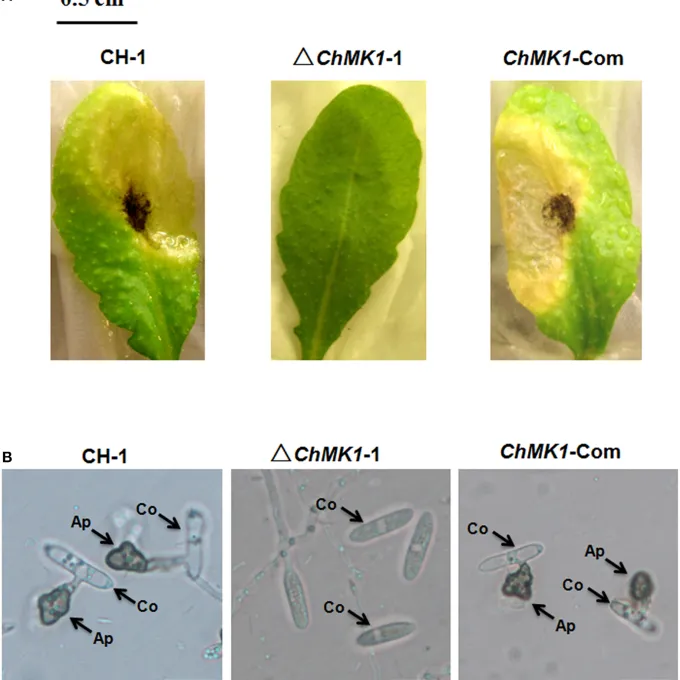
Initial symptoms appear as small, circular, light-colored spots on leaves, which gradually enlarge and turn brown or gray with a darker necrotic margin.
Black, pin-sized dots appear in the center of these lesions, representing the acervuli, which are diagnostic indicators of the presence of the pathogen.
Stems and petioles may develop elongated, sunken lesions, which can weaken the plant structure and cause stem breakage or lodging in severe cases.
Under high humidity, a pinkish or salmon-colored gelatinous mass of conidia often becomes visible on the surface of the infected tissue lesions.
- Yellowing and premature senescence of the affected foliage.
- Deformation of leaves or stunted development of cabbage heads.
- Wilting of plants due to restricted water uptake from stem damage.
Pathogen
The disease is caused by the fungus Colletotrichum higginsianum, an opportunistic and highly virulent pathogen affecting various brassica crops.
The fungus produces asexual spores called conidia within specialized fruiting structures known as acervuli, which rupture the host plant's epidermis.
It can survive as mycelium or spores on infested crop debris, in the soil, or on contaminated seeds, providing a persistent source of inoculum.
Dissemination occurs primarily through splashing rain, wind-blown droplets, or movement of contaminated agricultural equipment across the fields.
Once established, the fungus rapidly colonizes host tissues, producing multiple generations of spores within a single growing season under favorable conditions.
Conditions for development
Anthracnose development is strongly favored by warm temperatures, ideally ranging between 20°C and 25°C, which accelerate the fungal growth cycle.
High humidity and prolonged leaf wetness are essential for spore germination and successful infection of the host plant tissues.
Dense crop stands with poor air circulation create a conducive microclimate where moisture persists on leaves for longer periods.
Frequent rainfall events facilitate the spread of spores from the lower canopy to the upper leaves of the plants, increasing disease severity.
Poor soil drainage and waterlogged conditions exacerbate the stress on plants, making them more susceptible to rapid fungal colonization.
Why it matters
The disease causes significant reduction in photosynthetic leaf area, which directly impairs the plant's ability to accumulate biomass and yield.
Systemic stem infection can disrupt vascular bundles, leading to plant wilting, stunted growth, and in severe cases, the death of young seedlings.
Produce quality is severely compromised; for example, cabbage heads become prone to secondary rot in storage, leading to significant economic losses.
Seed production is negatively impacted as the pathogen reduces seed viability and can be seed-borne, infecting the next generation of crops.
In regions with high disease pressure, yield losses can reach 50% or more, particularly if the infection starts early in the developmental stage.
Protection
Adherence to a strict crop rotation schedule, avoiding cruciferous crops for at least 3-4 years, is the most effective cultural control measure.
Deep plowing or complete removal of crop residues is critical to eliminate the overwintering inoculum source for the following season.
Utilization of certified, disease-free, and fungicide-treated seeds prevents the introduction of the pathogen into new areas of cultivation.
Proactive field monitoring followed by the application of systemic fungicides is necessary when environmental conditions favor disease outbreaks.
Management of weed hosts and implementation of proper irrigation practices help maintain plant health and reduce the risk of infection spread.
Discussion
No discussions yet — be the first.