
Anthracnose
Colletotrichum guizhouense
Description
Symptoms
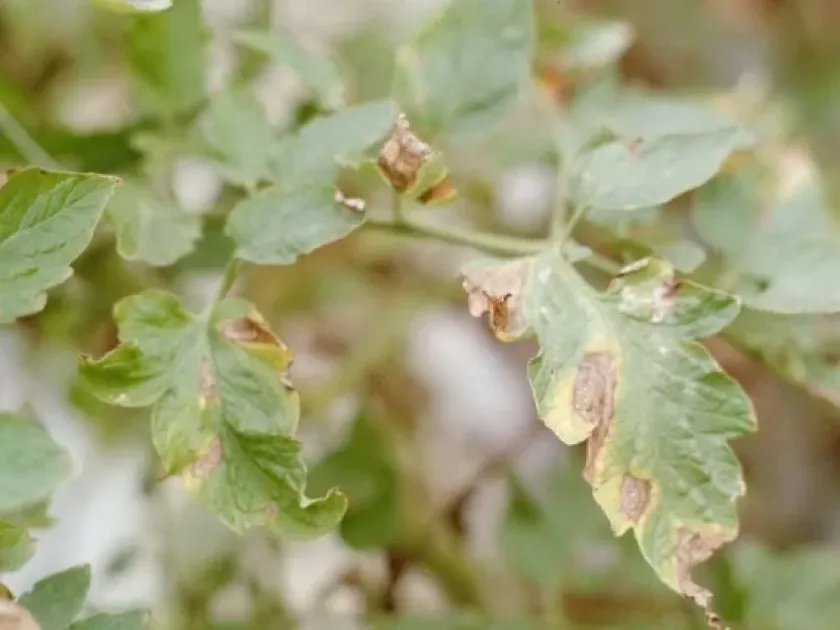
The most distinctive symptom of anthracnose is the development of sunken, necrotic lesions on stems, leaves, flowers, and fruits of affected plants.
These spots are typically dark brown or black, often appearing as irregular or circular patches that gradually enlarge and merge over time.
Under high humidity, characteristic fruiting bodies known as acervuli appear as small, dark pustules within the lesions, releasing masses of spores.
A pink or orange spore mass often covers the infected areas in damp conditions, which is a key diagnostic feature for visual identification in the field.
- Wilting of terminal shoots
- Premature defoliation or leaf drop
- Fruit rotting and fruit drop
- Stunted growth of the entire plant
Pathogen
The causative agent of this disease is the fungus Colletotrichum guizhouense, a highly specialized phytopathogen belonging to the Glomerellaceae family.
This pathogen reproduces via conidia, which are efficiently spread by water splashes, wind currents, and mechanical contact with contaminated agricultural machinery.
The fungus persists in the environment as mycelium or spores on crop debris, in the soil, and within infected seeds, providing a persistent source of inoculum.
During the infection process, the fungus secretes specialized enzymes to break down plant cell walls, allowing it to penetrate and colonize host tissues effectively.
The high genetic variability of this fungus enables it to adapt to new environments and potentially overcome the resistance of previously tolerant plant cultivars.
Conditions for development
Anthracnose development is strongly favored by warm and wet weather conditions, with temperatures ranging between 22 and 28 degrees Celsius.
Prolonged leaf wetness, often caused by frequent rain, heavy dew, or overhead irrigation, is critical for spore germination and successful tissue colonization.
Poor air circulation within dense canopies traps moisture, creating an ideal microclimate for the rapid proliferation and spread of the fungal pathogen.
Periods of high humidity (above 80%) significantly increase the infection rate, allowing the fungus to progress rapidly across the host plant surface.
Agronomic factors like nitrogen-rich fertilization can promote lush, succulent tissue growth, which is significantly more susceptible to infection by the pathogen.
Why it matters
Anthracnose can cause severe yield losses by destroying fruit, seeds, and vegetative tissues, rendering the crop unmarketable or even entirely unharvestable.
The destruction of leaf surface area inhibits the plant's photosynthetic capacity, leading to reduced sugar production and poor quality of harvested products.
Infection in flowers leads to blossom blight, significantly reducing fruit set and causing premature drop, which directly impacts the total harvest volume.
Seeds harvested from infected plants often carry the pathogen, leading to seedling blight and damping-off in the subsequent planting season.
The quality of fruits is severely compromised due to soft rots, which continue to progress post-harvest, making storage and transport extremely difficult.
Protection
Effective management requires an integrated approach starting with the selection of certified, disease-free seed and resistant plant varieties whenever possible.
Cultural practices, including deep plowing of crop residues and strict adherence to crop rotation, help to significantly reduce the primary inoculum level.
During the growing season, timely application of protective or systemic fungicides is essential to suppress initial infection and prevent further disease spread.
Improving field sanitation and maintaining proper plant spacing ensures better airflow and quicker drying of foliage, reducing the risk of fungal colonization.
Regular monitoring of field conditions allows for early detection of the disease, enabling targeted treatments before the infection reaches epidemic levels.
Discussion
No discussions yet — be the first.