
Anthracnose
Colletotrichum godetiae
Description
Symptoms
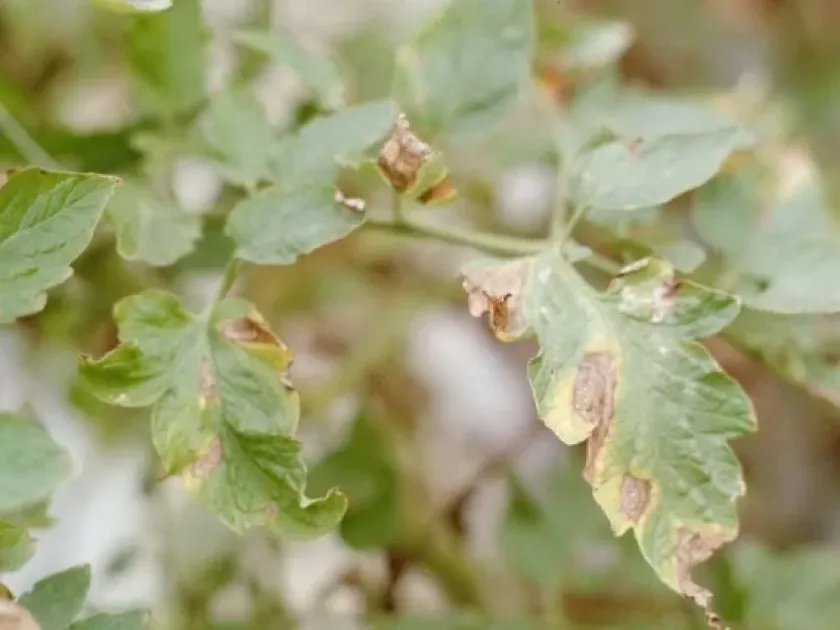
The hallmark of anthracnose infection is the appearance of small, water-soaked spots that rapidly turn dark brown or black on the leaves and stems.
These spots are typically sunken, representing necrotic tissue that often develops a distinct dark margin against the healthy part of the plant.
During periods of high humidity, these lesions become covered with masses of spores, often visible as moist, pinkish, or orange-colored spore pads.
Infection on fruits is particularly severe, resulting in soft, sunken lesions that may cause premature ripening, shriveling, and eventually the fruit dropping.
- sunken necrotic lesions;
- pinkish fungal sporulation;
- premature leaf shedding;
- twig blight;
- fruit rotting and deformation.
Pathogen
Anthracnose is caused by the fungus Colletotrichum godetiae, a widespread pathogen known for attacking a broad array of horticultural and agricultural plants.
The fungus acts as a hemibiotroph, initially feeding on living tissues before transitioning to a saprophytic phase, which leads to necrotic lesions on the host.
The pathogen reproduces via conidia, which are efficiently dispersed by splashing water, wind, and mechanical movement within the field environment.
It overwinters primarily as mycelium in infected plant residues or dormant structures in the soil, ensuring its survival from one growing season to the next.
This pathogen demonstrates significant biological variability, allowing it to colonize diverse hosts and adapt to various environmental stressors effectively.
Conditions for development
Anthracnose development is highly dependent on humidity, with high moisture levels being the primary trigger for spore germination and infection.
Temperatures ranging from +20°C to +25°C provide the thermal optimum for the pathogen to colonize plant tissues rapidly and produce new generations of spores.
Poor field sanitation, dense canopy growth, and excessive weed cover increase local humidity, creating a microclimate that facilitates disease spread.
Mechanical damage caused by hail, insects, or pruning provides entry points for the fungal spores, allowing them to bypass the plant's natural surface barriers.
Prolonged wet weather, including persistent rain and morning dew, extends the period of vulnerability, leading to severe outbreaks in affected regions.
Why it matters
The primary damage caused by anthracnose is the reduction in photosynthetic efficiency due to extensive leaf damage, which stunts plant growth and vigor.
Economic losses are severe due to the loss of fruit marketability; infected harvest is frequently discarded due to blemishes and post-harvest decay.
In woody perennials, the pathogen can cause twig dieback, leading to long-term structural damage and reduced future yield capacity of the plant.
In nursery settings, anthracnose can cause total crop failure, as seedlings and young shoots are highly susceptible to systemic colonization by the fungus.
Managing the disease requires significant input costs, including regular fungicide applications and labor-intensive sanitation practices throughout the season.
Protection
Effective management begins with strict sanitation, including the removal and destruction of all infected plant debris at the end of the season.
Canopy management, such as thinning and pruning, is essential to improve airflow and reduce the humidity levels that favor fungal spore production.
Chemical control involving fungicides is most effective when applied preventatively, particularly during vulnerable growth stages like budding and flowering.
Rotating chemical classes of fungicides helps manage resistance development, ensuring that Colletotrichum godetiae remains controllable over multiple years.
Selecting resistant cultivars and ensuring adequate nutrient balance can enhance the plant's inherent defenses against initial infection and subsequent colonization.
Discussion
No discussions yet — be the first.