
Anthracnose
Colletotrichum excelsum-altitudinum
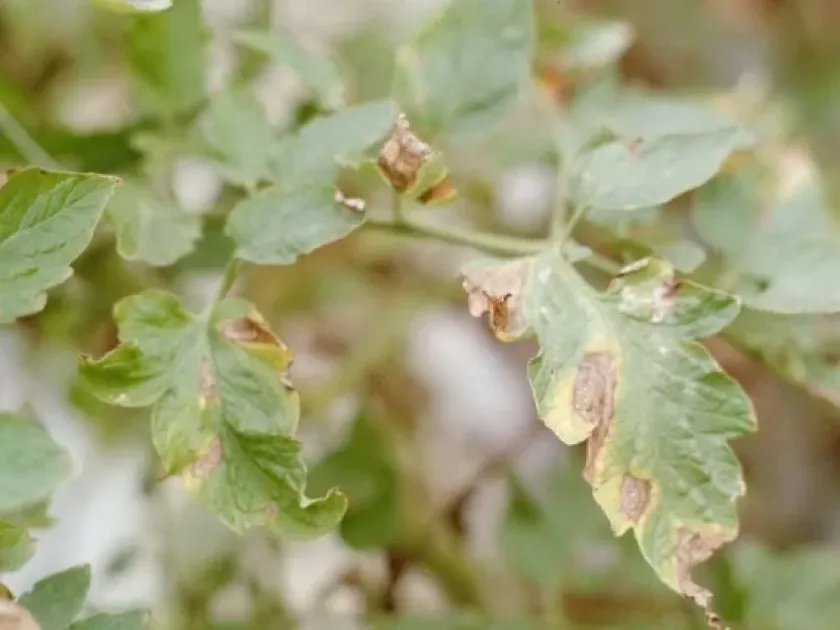
Description
Symptoms
The primary clinical sign of anthracnose is the development of sunken, dark-colored lesions on leaves, stems, fruits, and petioles.
In high-humidity conditions, these lesions often exhibit pink or orange gelatinous spore masses, which are a definitive diagnostic feature.
Stem infections frequently manifest as cankers that can girdle the plant, resulting in wilting and dieback of the tissues located above the lesion.
Fruits infected with the pathogen often show water-soaked spots that eventually darken and become depressed, leading to fruit decay.
Premature leaf drop and significant defoliation are common as the infection progresses, weakening the overall vigor of the host plant.
Pathogen
Anthracnose is a collective term for fungal diseases caused primarily by species within the Colletotrichum genus, including Colletotrichum excelsum-altitudinum.
The pathogen overwinters as mycelium or sclerotia within infected plant debris, soil, or occasionally on seeds, waiting for favorable conditions.
During the growing season, the fungus produces masses of conidia that are easily dispersed by rain splashes, wind currents, and mechanical contact.
The infection process begins when spores germinate on a moist plant surface and penetrate the epidermis, establishing a parasitic relationship with the host.
The pathogen releases enzymes that degrade plant cell walls, leading to the characteristic necrotic lesions associated with this disease.
Conditions for development
Anthracnose thrives in warm and humid environments, with optimal disease development occurring between 20°C and 28°C.
Prolonged wetness from rain, heavy dew, or overhead irrigation is essential for the germination of spores and subsequent infection of plant tissues.
Dense plant canopies that lack sufficient airflow create a microclimate where moisture persists for extended periods, facilitating pathogen spread.
Poor drainage and excessive soil moisture can also stress plants, making them more susceptible to colonization by Colletotrichum fungi.
Physical wounding of plant tissue by hail, insects, or pruning creates entry points that significantly increase the risk of rapid infection.
Why it matters
Anthracnose is a devastating disease capable of causing severe yield losses, sometimes destroying the entire harvest of susceptible cultivars.
It impacts the aesthetic and market value of produce, rendering fruits and vegetables unsalable due to characteristic spotting and decay.
Chronic infections lead to the gradual depletion of plant resources, reducing growth rates and making the host susceptible to other diseases.
The disease poses a long-term threat to orchard trees, causing twig dieback and systemic weakening that can lead to tree death over time.
Economic impact is exacerbated by the high costs of frequent fungicide applications required to maintain disease control in commercial settings.
Protection
Effective management requires an integrated approach starting with the removal and destruction of all infected plant materials to reduce the primary inoculum.
Crop rotation and the selection of certified, disease-free seed are fundamental practices to prevent the introduction of the pathogen into new fields.
Chemical control involving systemic and protective fungicides is often necessary during wet, high-risk periods to suppress the spread of the fungus.
Maintaining proper plant spacing and pruning allows for better air circulation and faster drying of foliage, which inhibits spore germination.
- Use of resistant or tolerant cultivars.
- Balanced nutrient management to avoid excessive nitrogen.
- Proper irrigation practices to keep foliage dry.
Discussion
No discussions yet — be the first.