
Loquat anthracnose
Colletotrichum eriobotryae
Description
Symptoms
The symptoms of loquat anthracnose typically appear as dark brown or black spots on the leaves, which may enlarge and exhibit concentric zoning over time as the infection progresses.
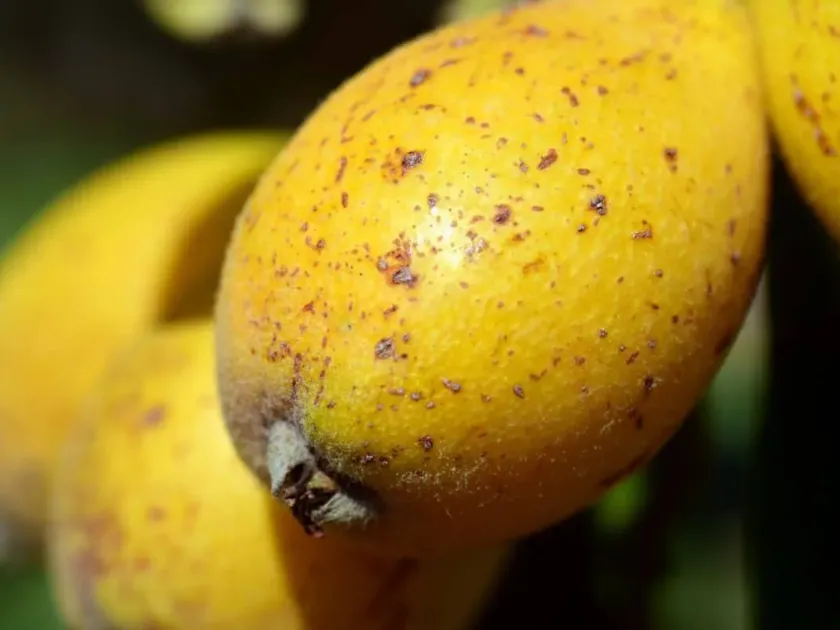
On the fruits, the disease is characterized by sunken, necrotic spots that often cover large areas. As the infection advances, the centers of these lesions develop pink or gray masses of fungal spores.
Infected shoots develop dark lesions or ulcers that can cause the branch to die back if the infection girdles the stem. Bark in these areas often cracks and eventually peels away.
Severe infection results in premature leaf drop, which significantly weakens the tree and reduces the tree's photosynthetic capacity, leading to poor fruit development.
- Dark necrotic spots on leaves;
- Sunken lesions on ripening fruit;
- Pinkish spore masses on infected tissue;
- Dieback of young shoots and twigs;
- Premature defoliation of the canopy.
Pathogen
The causative agent of the disease is the fungus Colletotrichum eriobotryae, a specialized pathogen that affects loquat trees (Eriobotrya japonica). It belongs to the class of deuteromycetes and is responsible for significant tissue damage.
The fungus survives on infected plant debris, fallen leaves, and mummified fruit left in the tree canopy or on the ground. Spores are dispersed by rain splash, wind, and insect vectors during the growing season.
The mycelium develops within the intercellular spaces of the plant tissue, secreting enzymes that degrade cell walls. This process leads to rapid tissue necrosis and the formation of visible lesions.
Conidial sporulation occurs in structures known as acervuli, which appear as small dark pustules on the surface of infected tissues. High spore production ensures rapid secondary spread under suitable conditions.
This pathogen demonstrates high adaptability and virulence, making it a persistent challenge for fruit growers worldwide, requiring a strategic approach for management.
Conditions for development
Anthracnose development is highly dependent on high humidity and warm temperatures. Frequent rainfall and persistent dew provide the moisture required for spore germination and infection.
Temperatures ranging from 20°C to 28°C (68°F to 82°F) are optimal for the rapid growth of the fungus, leading to shorter incubation periods and more aggressive disease outbreaks.
Orchards with poor canopy ventilation and dense planting are more susceptible to disease, as stagnant air traps moisture, creating an ideal environment for Colletotrichum eriobotryae.
Trees that have been weakened by environmental stress, poor nutrition, or pest infestations are more vulnerable to colonization by this opportunistic fungal pathogen.
Periods of wet weather during the flowering and fruit-setting stages are the most critical times for infection, as young fruit are highly susceptible to penetration by the fungus.
Why it matters
This disease causes severe economic losses by ruining the marketable quality of the fruit. Infected loquats are unappealing, rot rapidly, and are unsuitable for either fresh market consumption or storage.
Chronic infections sap the tree's energy, resulting in reduced yields over several years and making the tree more susceptible to secondary stressors and winter damage.
The need for constant sanitation, including the pruning of infected branches, increases maintenance costs and can lead to structural damage to the tree's architecture over time.
If left uncontrolled, anthracnose can spread throughout an entire orchard, potentially threatening the commercial viability of the loquat production operation.
Infected trees serve as a constant source of inoculum, increasing the disease pressure in the area and necessitating repeated chemical interventions to maintain crop health.
Protection
Sanitation is the first line of defense: growers should regularly remove and destroy infected plant parts, including fallen leaves and mummified fruit, to reduce the primary inoculum.
Proper canopy management through annual pruning is essential to improve airflow, which helps to keep leaf surfaces dry and inhibits fungal growth.
Applying copper-based fungicides during the early spring can effectively suppress initial spore formation and protect the tree as it enters the growing season.
In cases of high disease pressure, systemic fungicides should be applied according to local agricultural guidelines, ensuring that products are rotated to prevent resistance development.
Maintaining optimal tree vigor through balanced fertilization and appropriate irrigation helps improve the tree's natural defense mechanisms against Colletotrichum eriobotryae.
Discussion
No discussions yet — be the first.