
Dracaena anthracnose
Colletotrichum dracaenophilum
Description
Symptoms
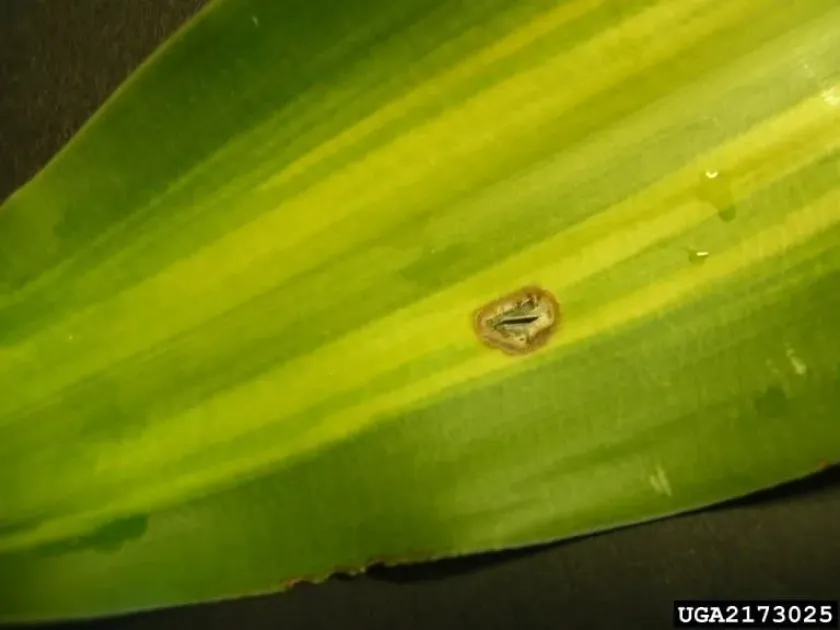
The initial symptoms manifest as small, water-soaked spots on the leaves. As the infection progresses, these spots expand and turn brown or reddish-brown with a distinct chlorotic halo.
A key diagnostic feature is the appearance of concentric rings within the necrotic tissue. These rings represent periods of sporulation and are typical of anthracnose-type infections.
In advanced stages, the infected leaf tissue dries out and becomes brittle. The lesion margins may merge, covering a significant portion of the leaf surface and causing premature leaf drop.
If the infection reaches the petiole, the leaf may wilt or bend sharply. This structural weakness prevents the plant from maintaining its natural upright posture and aesthetic appeal.
Microscopic examination of the black spots reveals the presence of numerous fungal fruiting bodies. This observation is the definitive confirmation of a fungal infection rather than physiological damage.
Pathogen
The causal agent of this disease is the pathogenic fungus Colletotrichum dracaenophilum. This ascomycete fungus is a specialized parasite that primarily attacks various species of the Dracaena genus in both indoor and greenhouse conditions.
The fungus functions by penetrating the plant tissue through stomata or mechanical wounds. Once inside, it colonizes the intercellular space, secreting enzymes that break down plant cell walls and extract essential nutrients.
The life cycle involves the formation of fruiting structures known as acervuli. These appear as small, dark, raised spots on the surface of the lesions and are the primary source of conidial dispersal.
These conidia are highly resilient and can remain viable for extended periods in dry or wet environments. They are easily spread through water splashes, contaminated tools, or air currents within the facility.
The fungus thrives in tropical-like conditions where humidity is high. Its development is characterized by rapid sporulation, which can lead to a severe epidemic within a collection if left unmanaged.
Conditions for development
The development of dracaena anthracnose is highly dependent on environmental factors, specifically high relative humidity (above 70%) and poor air circulation around the foliage.
Overwatering and poor soil drainage contribute to an environment where the plant's natural defenses are compromised. Stagnant water in the root zone is a common trigger for systemic weakness.
Optimal growth temperatures for the pathogen range from +22°C to +26°C. In such conditions, the incubation period is significantly reduced, leading to a faster spread of symptoms.
Direct wetting of the leaves during watering is a significant risk factor. Droplets remaining on the leaf surface act as a medium for the spores to germinate and enter the leaf tissue.
Plants under stress from insufficient light, incorrect fertilization, or poor substrate quality are much more prone to rapid infection compared to robust, well-maintained specimens.
Why it matters
The primary harm caused by this disease is the complete loss of the plant's ornamental value. The aesthetic degradation makes the dracaena unsuitable for display in homes or professional offices.
The infection leads to a decrease in photosynthetic capacity as healthy tissue is replaced by necrotic spots. This creates an energy deficit, stunting the overall growth and development of the plant.
If left untreated, the disease is likely to kill the plant, as the fungus continuously colonizes new growth and may even move into the stem tissue, causing dieback.
The pathogen is highly contagious within a confined space. It poses a significant threat to other plants in the collection, potentially leading to mass losses in a nursery environment.
Management of the disease involves significant labor costs, including the removal of infected parts, replacement of substrate, and regular chemical treatments, all of which are time-consuming.
Protection
The first step in controlling an outbreak is to isolate the affected plant immediately. This prevents the physical spread of spores to healthy neighbors in the area.
Pruning of affected foliage must be performed using sterilized tools. It is essential to cut into healthy tissue and disinfect the shears between each cut to prevent reinfection.
Chemical control is most effective when using systemic fungicides. Products based on copper, mancozeb, or triazoles are frequently recommended for managing Colletotrichum species.
Recommended management practices:
- Apply systemic fungicides according to the manufacturer's label instructions.
- Improve air circulation by spacing plants appropriately and using fans.
- Avoid overhead watering; use bottom irrigation or target the soil directly.
- Replace contaminated topsoil and improve drainage to reduce stress.
Preventative measures include regular inspection of new plants, strict quarantine procedures, and maintaining high hygiene standards by keeping tools and surfaces clean at all times.
Discussion
No discussions yet — be the first.