
Colletotrichum crassipes
Colletotrichum crassipes
Description
Symptoms
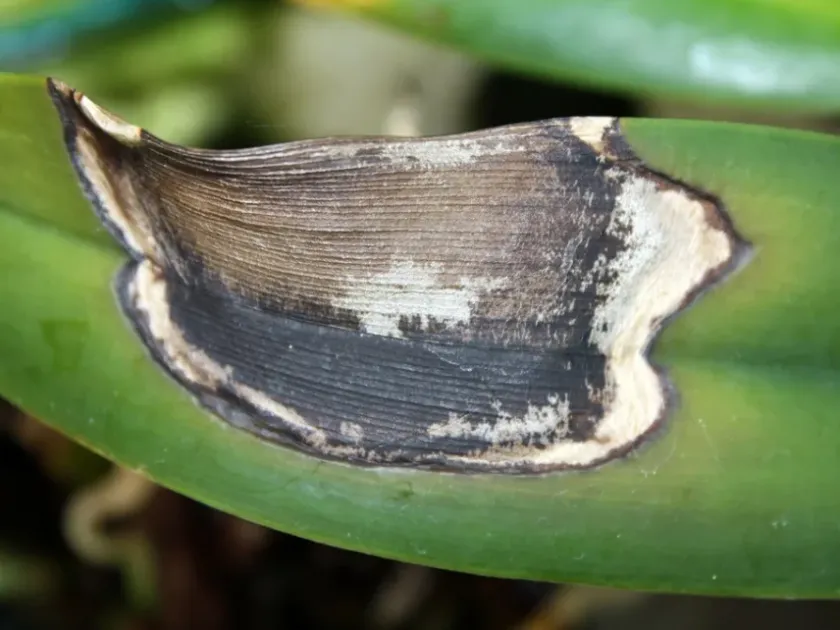
The hallmark symptoms of infection are sunken, necrotic lesions that appear on leaves, stems, and fruits. These lesions typically exhibit a dark, well-defined margin, often appearing as circular or irregular brown to black spots.
In humid conditions, the centers of the lesions develop masses of conidia, often appearing as minute, dark, or pinkish pustules. These pustules signify active sporulation, which is a key diagnostic feature of anthracnose infections.
Fruit infection frequently leads to rapid decay, rot, and eventual mummification. Infected fruits may prematurely drop, creating a source of inoculum that can infect surrounding plants throughout the season.
On leaves, lesions can enlarge and merge, resulting in extensive chlorosis and leaf drop. When the infection affects the stem or branches, it can cause apical necrosis or "dieback," severely hindering the plant's structural development.
Early diagnosis is crucial, as the lesions can be confused with other fungal diseases. Laboratory identification of the acervuli structure and conidial morphology is often necessary to confirm the presence of Colletotrichum crassipes.
Pathogen
Colletotrichum crassipes is a fungal pathogen belonging to the genus Colletotrichum, widely known as a causal agent of anthracnose. It is an opportunistic pathogen capable of infecting a vast range of hosts, including woody perennials, shrubs, and various ornamental plants.
The fungus propagates through the production of conidia within structures known as acervuli. These spores serve as the primary inoculum, spreading the disease rapidly during favorable weather conditions. The pathogen can also persist in dormant forms within host debris.
Transmission occurs primarily through rain splashes, wind-blown droplets, and overhead irrigation. Once the spores land on a susceptible surface, they germinate and penetrate the epidermis using specialized infection hyphae or appressoria.
As a facultative parasite, the fungus thrives when host defenses are compromised due to environmental stress or physiological weakness. It is characterized by its ability to remain latent in plant tissues, only becoming active under specific conditions.
The biological cycle of Colletotrichum crassipes is highly efficient, allowing it to colonize both healthy and necrotic tissues. Its persistence in soil and on agricultural tools makes it a difficult pathogen to eradicate from infested fields or nurseries.
Conditions for development
The development and spread of the disease are heavily dependent on high humidity. Relative humidity levels exceeding 85% create the perfect environment for spore germination and mycelial colonization of the host.
Temperatures ranging from +20°C to +28°C are optimal for the growth of this pathogen. Within this range, the infection cycle can repeat every few days, leading to potential outbreaks during rainy or foggy seasons.
Free water on the plant surface is the most critical factor for infection. Rain splashes, heavy morning dew, and fog provide the necessary moisture for the spores to germinate and breach the plant's cuticle.
Dense planting configurations and poor canopy ventilation exacerbate the spread of the pathogen by maintaining pockets of high humidity. Poor field hygiene allows for the survival of the fungus between cropping cycles.
In greenhouses, poor climate control, condensation, and temperature fluctuations are the primary drivers of disease outbreaks. Proper ventilation and humidity management are essential to suppress the pathogen.
Why it matters
The economic impact of Colletotrichum crassipes is significant due to direct crop loss and diminished product quality. Infected fruits are aesthetically unappealing and have a severely reduced post-harvest shelf life.
Chronic infection reduces the photosynthetic capacity of the plant by damaging the leaf surface, which leads to stunted growth and reduced yields. This is particularly problematic for commercial fruit orchards.
The disease poses a severe threat to nurseries, where high plant density and constant irrigation can lead to the loss of entire batches of young seedlings, resulting in substantial financial losses for growers.
Infection cycles contribute to the buildup of inoculum in the environment, necessitating increased expenditure on chemical interventions. This raises production costs and creates a dependency on regular fungicide applications.
In perennial plants, repeated infections weaken the tree's health over time, making it more susceptible to environmental stressors and other secondary pathogens, ultimately shortening the plant's productive lifespan.
Protection
Integrated pest management (IPM) is the most effective approach to control this pathogen. Primary efforts should focus on cultural practices, including the removal and destruction of all infected plant materials to reduce the primary inoculum load.
Selecting resistant cultivars and ensuring that the planting material is healthy and certified free of pathogens are essential preventative measures before planting begins.
Chemical control involving systemic and contact fungicides is effective when applied preventatively. Strategic applications during vulnerable growth stages (e.g., flowering or fruit development) significantly reduce the incidence of the disease.
Recommended strategies include:
- Maintaining proper plant spacing to ensure airflow and reduce humidity.
- Implementing drip irrigation to prevent wetting the foliage.
- Balancing fertilization to avoid nitrogen excess that promotes succulent, vulnerable growth.
- Rotating crops to break the pathogen's life cycle in the soil.
In greenhouse settings, climate control is paramount. Maintaining humidity levels below 70% and ensuring constant air movement are highly effective ways to keep the fungus from initiating new infections.
Discussion
No discussions yet — be the first.