
Anthracnose
Colletotrichum chrysophilum
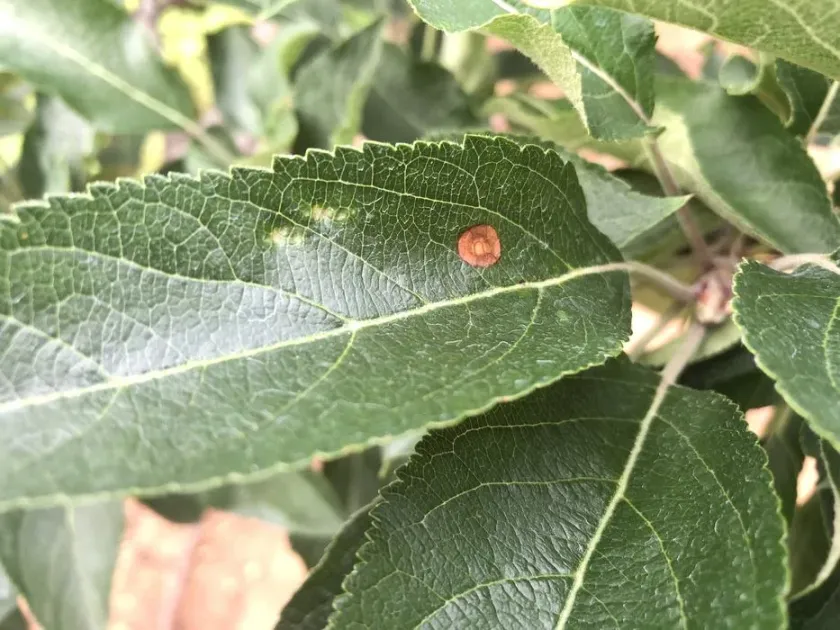
Description
Symptoms
The most common symptoms include dark, sunken lesions on fruits, leaves, and young twigs. As the infection progresses, these necrotic spots expand, often coalescing to cover large areas of the affected plant tissue, causing significant deformation.
Under high humidity, the centers of these lesions frequently erupt with characteristic pinkish or orange spore masses, known as acervuli. This sign is highly diagnostic for anthracnose and clearly distinguishes it from other necrotic plant diseases.
Fruit infection often results in soft rot, where the pathogen penetrates deep into the pulp. This causes premature ripening or fruit drop, rendering the produce completely unmarketable and susceptible to secondary decay by other microorganisms.
Leaf symptoms appear as brown or black spots with a distinct margin. Severe infections lead to extensive defoliation, which severely reduces the tree's photosynthetic capacity, resulting in weak growth and reduced fruit set for the following season.
Twigs and branches may develop long, sunken cankers. In younger trees, these lesions can girdle the stem, leading to dieback or the eventual death of the entire branch or tree if the infection is left unchecked.
Pathogen
The disease is caused by the pathogenic fungus Colletotrichum chrysophilum. This fungus is a specialized parasite that primarily targets tropical and subtropical fruit-bearing species, causing significant tissue degradation in both vegetative and generative plant parts.
The lifecycle of the pathogen involves the production of asexual spores called conidia, which are efficiently dispersed by rain splash, wind, and irrigation water. The fungus persists in the environment as mycelium in infected debris, fallen leaves, or dormant buds, serving as a primary inoculum source.
The fungus infects a wide variety of hosts, colonizing fruits, stems, and foliage. It invades host tissues by secreting enzymes that break down plant cell walls, allowing the hyphae to penetrate the epidermal layers and colonize the inner tissues of the plant.
Environmental conditions play a critical role in the pathogen's development. Colletotrichum chrysophilum thrives in warm, humid climates, where it can complete its lifecycle rapidly. The fungus relies on free moisture on plant surfaces to germinate and successfully penetrate the host.
Taxonomically, this species is part of the Colletotrichum gloeosporioides complex. Accurate identification often requires morphological analysis of spore structures or molecular tools to differentiate it from closely related pathogenic species within the same genus.
Conditions for development
Anthracnose development is highly dependent on high moisture levels. Periods of prolonged rainfall, heavy dew, or foggy conditions create the perfect environment for the fungus to sporulate and infect new host tissues throughout the orchard.
The optimal temperature range for the pathogen's growth is between 22 and 28 degrees Celsius. Within this window, the disease can spread explosively, causing a sudden outbreak across an entire planting if susceptible varieties are present.
Poor orchard hygiene contributes significantly to the spread of the disease. Overcrowded planting patterns that restrict airflow create localized pockets of high humidity within the tree canopy, favoring fungal colonization and rapid disease cycling.
The presence of water droplets on the plant surface is essential for spore germination. Therefore, irrigation methods that wet the foliage, such as overhead sprinklers, are major factors in promoting anthracnose outbreaks in orchards.
Plants under physiological stress, whether from nutrient deficiencies or physical damage from pests, show decreased resistance. This weakened state allows the fungus to bypass the plant's natural defenses more easily, leading to more severe infections.
Why it matters
The primary economic impact of anthracnose is the direct loss of harvestable produce. Fruit damage occurs both in the field and post-harvest, leading to significant waste as infected fruits spread the decay to healthy ones during storage and shipping.
Repeated infections reduce the overall vigor and health of the trees. Significant leaf loss limits the accumulation of carbohydrates, leading to smaller fruit sizes and lower overall productivity for the current and subsequent years.
The death of young shoots and branches disrupts the tree architecture and delays fruit-bearing maturity. For high-value fruit crops, this can represent years of lost production and the need for costly replanting and orchard rehabilitation.
The need for intensive management, including regular chemical applications, significantly increases production costs. Farmers must balance the cost of fungicide programs with the potential market returns, which is often difficult during severe outbreak years.
Anthracnose also affects the cosmetic quality of the fruit. Even if internal decay is minimal, surface spots drastically reduce the grade of the fruit, forcing growers to sell at lower prices or dispose of the produce entirely.
Protection
Effective anthracnose management requires an integrated approach. Relying solely on one method is rarely successful; therefore, a combination of cultural practices and chemical interventions is recommended to maintain a healthy orchard.
The foundation of control is robust orchard sanitation. Pruning out and destroying infected branches and clearing away mummified fruit drastically reduces the primary inoculum source that triggers the disease in the early spring.
Chemical control programs should focus on protective fungicide applications during critical growth stages, such as bud burst, flowering, and fruit development. Systemic fungicides are often rotated with contact protectants to ensure comprehensive coverage.
- Proper canopy management to improve airflow and reduce humidity.
- Balanced fertilization to promote strong, resilient plant growth.
- Control of insect pests that create entry points for the fungus.
- Selection of resistant or less susceptible cultivars for new plantings.
Resistance management is crucial. Growers must rotate active ingredients with different modes of action to prevent the Colletotrichum chrysophilum population from developing resistance to commonly used fungicides, ensuring long-term efficacy.
Discussion
No discussions yet — be the first.