
Cattleya anthracnose
Colletotrichum cattleyicola
Description
Symptoms
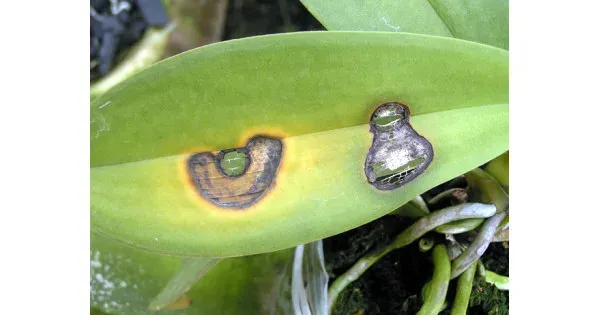
Initial symptoms manifest as small, sunken spots on the leaves, which are typically dark brown or black, often with a subtle yellow halo around the edges.
As the infection progresses, these spots enlarge, eventually merging to cover significant areas of the leaf, which leads to total tissue collapse.
Tiny, black, pinpoint-like fruiting bodies (acervuli) may emerge within the necrotic lesions, especially when humidity levels remain consistently high.
Affected tissues become dry, brittle, and eventually die, causing premature leaf drop and weakening the structural integrity of the orchid plant.
When the infection spreads to the pseudobulbs or the rhizome, it can lead to mushy rot and potential death if the systemic colonization is not arrested.
Pathogen
The disease is caused by the fungus Colletotrichum cattleyicola, a specialized pathogen known to infect various orchid species, particularly those in the Cattleya alliance.
The fungus propagates through the production of conidia within structures called acervuli, which rupture the host's epidermis to release spores into the environment.
It is classified as an anthracnose-type pathogen, primarily damaging the leaf tissue, stems, and pseudobulbs, leading to localized necrosis.
The pathogen is highly adapted to tropical conditions and can persist in dormant states within plant debris or on infected surfaces until favorable conditions return.
Infection cycles are facilitated by the dispersal of spores via splashing water or contaminated gardening tools, allowing the fungus to colonize healthy tissue rapidly.
Conditions for development
Warm and humid environments are the primary drivers for the growth of Colletotrichum cattleyicola, particularly when relative humidity exceeds 70%.
Optimal temperatures for spore germination and mycelial spread typically fall within the range of +22°C to +28°C (72°F to 82°F).
Poor ventilation and air stagnation around the foliage are major contributors, as they prevent leaves from drying out properly after watering or misting.
Stressed orchids, whether due to improper lighting, poor nutrition, or environmental fluctuations, show increased susceptibility to this fungal pathogen.
The presence of standing water in leaf axils or on the potting medium surface provides a perfect bridge for the fungus to initiate new infection sites.
Why it matters
The disease severely compromises the aesthetic appeal of the plant, leaving unsightly necrotic lesions that can mar the appearance for the life of the leaf.
It interferes with the plant’s photosynthetic capacity, which directly results in reduced vigor and an inability to sustain healthy growth cycles.
If left unmanaged, the infection can cause systemic weakness, preventing the orchid from accumulating enough energy to produce flowers or new pseudobulbs.
The rapid spread of spores in a greenhouse or indoor collection can result in an epidemic, putting an entire collection of Cattleya at risk of decline.
Advanced stages of the disease can lead to the death of the rhizome, effectively ending the life of the orchid and resulting in total loss.
Protection
The first step in management is the immediate quarantine of infected plants and the sanitary excision of all affected tissues using sterilized tools.
After cutting away infected portions, apply a suitable fungicide treatment, focusing on systemic products that are effective against Colletotrichum species.
Adjust the cultivation environment to decrease humidity levels and ensure maximum airflow to prevent the foliage from remaining wet for extended periods.
Avoid overhead watering practices that cause water to pool on the foliage, as this is the primary mechanism for pathogen dispersal among plants.
- Sterilize all cutting tools with alcohol between every cut;
- Maintain a clean growing area by removing fallen leaves and debris;
- Use a well-draining, airy potting medium suitable for orchids;
- Implement a preventive spray schedule with copper-based or systemic fungicides.
Discussion
No discussions yet — be the first.