
Axonopus anthracnose
Colletotrichum axonopodis
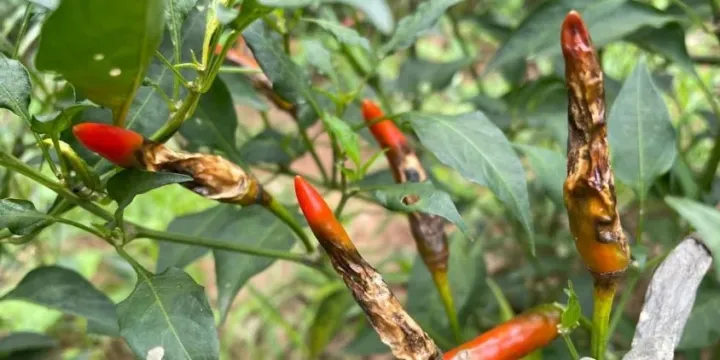
Description
Symptoms
The earliest symptoms include small, pale spots on leaves that progressively expand. These lesions eventually turn brown, dark gray, or black, often with a lighter, necrotic center.
Characteristic small black structures, known as acervuli, appear within the necrotic areas. Under humid conditions, these structures may produce a visible mass of pinkish or whitish spores.
As the infection progresses, affected leaves may turn yellow, wither, and eventually die. The cumulative effect of these lesions leads to the thinning of the stand and loss of plant vigor.
In some cases, the stem and leaf sheaths exhibit necrotic streaks. Severe outbreaks can result in widespread blighting of foliage, leaving large patches of dead plant matter.
- Development of irregularly shaped necrotic leaf spots
- Appearance of black acervuli within lesion centers
- Chlorosis and premature tissue senescence
- Presence of spore masses in high humidity conditions
Pathogen
The disease is caused by the fungus Colletotrichum axonopodis, a member of the genus Colletotrichum. This pathogen is a hemibiotroph that predominantly infects various species of the Poaceae family, including grasses and cereals.
The life cycle involves the production of conidia within structures called acervuli, which rupture the plant epidermis. Dissemination of spores occurs via water splashes during rain, irrigation, wind, and movement of maintenance equipment.
The fungus survives during adverse conditions or dormant periods as mycelium, sclerotia, or chlamydospores in soil and crop debris. Upon return of favorable conditions, it resumes rapid growth and sporulation.
Infection occurs when spores germinate and form appressoria, specialized cells that exert mechanical pressure to penetrate the host tissue. The pathogen rapidly colonizes tissues, causing cell death through the release of toxins and enzymes.
Genetic diversity within the species allows it to adapt to various environmental conditions. Ongoing research focuses on understanding the molecular mechanisms of the pathogen's interaction with the host.
Conditions for development
Prolonged periods of high relative humidity, typically above 85-90%, are critical for the development of anthracnose. Wet leaf surfaces are essential for spore germination and successful colonization.
Temperatures ranging from +22°C to +28°C are optimal for the pathogen. Cooler temperatures slow down development, but the fungus remains viable and can reactivate once conditions improve.
Crowded planting or dense turf stands reduce airflow, maintaining a humid microclimate within the plant canopy. This environment significantly increases the risk of rapid disease spread.
Plants under stress due to nutrient deficiencies, especially potassium and phosphorus, are more susceptible. Additionally, mechanical wounds from lawn mowing provide easy access for the fungus.
Poorly drained soils or excessive watering exacerbate the risk of infection. The fungus is highly adapted to tropical and subtropical climates where humidity is consistently high.
Why it matters
Axonopus anthracnose causes significant economic loss in landscaping and agricultural sectors. It can destroy the aesthetic quality of turf, requiring extensive and costly re-seeding.
By reducing the total photosynthesizing area, the disease weakens the plant's root system. This reduced vigor makes the plants less resilient to other environmental stressors, such as drought or frost.
In seed production fields, the disease compromises yield quality. Contaminated seed lots can serve as a primary source for spreading the pathogen to new, healthy areas.
The cost of implementing management programs, including fungicides and specialized care, is substantial. Furthermore, infected plants are prone to secondary opportunistic pathogens.
The cumulative effect is a decrease in the longevity of the plant stand, necessitating frequent intervention and management adjustments to maintain healthy vegetation.
Protection
Effective management begins with good cultural practices, such as proper irrigation that allows foliage to dry quickly. Avoid overwatering and ensure adequate soil drainage.
Maintaining a healthy stand through balanced fertilization, particularly with potassium, boosts natural immunity. Regular aeration reduces soil compaction and improves the overall growing environment.
Chemical control involves the timely application of fungicides, such as triazoles or strobilurins, at the first sign of symptoms. It is vital to rotate different chemical classes to prevent resistance.
Sanitation practices, including the removal and destruction of infected plant debris, help reduce the inoculum level. Avoid composting infected materials to prevent the disease's persistence.
Monitoring the fields or lawns regularly is essential for early detection. Implementing these strategies in combination provides the most effective protection against the spread of the pathogen.
Discussion
No discussions yet — be the first.