
Codinaea
Codinaea
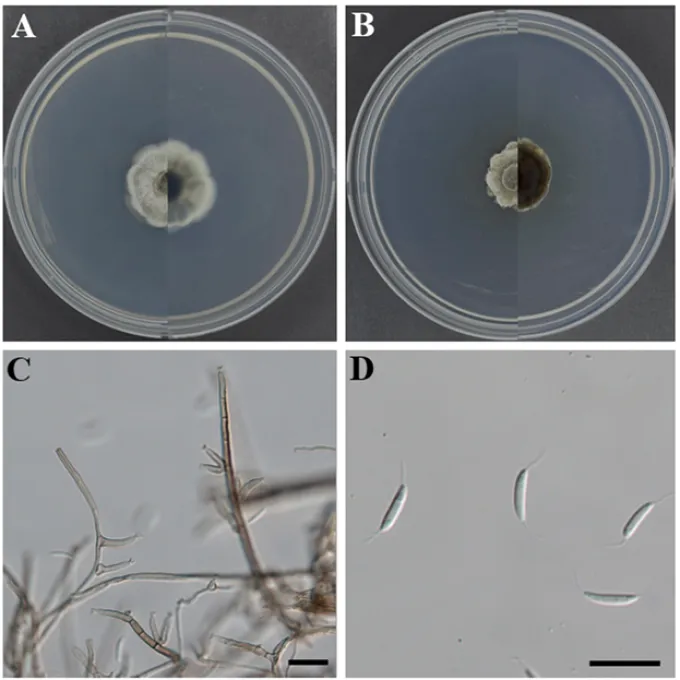
Description
Symptoms
Initial signs of infection appear as small chlorotic spots that eventually turn into brown or dark necrotic lesions. Sometimes, a subtle lighter margin can be observed around the spots.
Infection of the leaves often leads to premature wilting and necrosis. Under high humidity, a sparse layer of fungal sporulation may be visible on the surface of the lesions.
Root-related forms of the disease are characterized by rotting of the root system and the root collar. Affected plants show significant growth retardation and stunted appearance.
Stem infections typically manifest as elongated, sunken lesions that may girdle the stem, obstructing the transport of water and nutrients from the roots to the canopy.
Diagnostic accuracy is often challenged by the similarity of symptoms to other leaf spots, thus requiring microscopic analysis of infected tissue for definitive identification.
Pathogen
The causative agent of this disease is the imperfect fungus Codinaea, often represented by species such as Codinaea fertilis, which belongs to the hyphomycetes group. This pathogen possesses both saprotrophic and weak parasitic properties, infecting various parts of host plants.
The fungus reproduces through conidia formed on phialides. These spores are easily disseminated by wind currents, raindrops, or during field operations, facilitating rapid spread across cultivated areas.
Inoculum can persist for extended periods in the soil on crop residues, which makes it a persistent issue in agricultural crop rotation systems. The mycelium penetrates plant tissues through natural openings like stomata.
The pathogen's biology is closely linked to organic matter decomposition. Under humid conditions, the fungus actively colonizes dead tissue and can gradually transition to healthy tissues of neighboring plants.
The septate mycelium penetrates deep into the parenchyma, disrupting metabolic and nutrient transport processes, which leads to the systemic weakening of the host plant.
Conditions for development
Development of Codinaea is favored by periods characterized by high atmospheric humidity and moderate temperatures ranging from +18 to +24 degrees Celsius.
Dense crop stands with poor ventilation, which create a stagnant microclimate, are the most vulnerable environments for rapid spread of the infection.
Excessive nitrogen application, which promotes rapid vegetative growth, often lowers plant immunity and increases susceptibility to fungal colonization.
The presence of significant amounts of undecomposed crop residues in the soil is the primary factor for the accumulation of inoculum throughout the season.
Mechanical injuries resulting from field maintenance or pest infestation create entry points that allow spores to penetrate deep into the plant tissues.
Why it matters
The primary damage results from a significant reduction in the photosynthesizing leaf area, which directly impacts crop yield and produce quality.
The disease causes premature leaf drop, depriving the plant of energy reserves required for proper seed filling or fruit development.
Infected crops show decreased market value, including poor taste profiles, reduced shelf life, and lower resistance during transport and storage.
In cases of severe epidemics, total crop loss is possible, especially during the seedling stage or peak growth phases, causing major economic burdens.
Contaminated plots serve as long-term infection sources, necessitating additional expenditures for soil sanitation and continuous fungicide applications.
Protection
The foundation of effective protection is adherence to crop rotation, ensuring that susceptible host plants are excluded from the field for 2–3 years.
Using high-quality, treated seed material significantly reduces the risk of primary infection foci emerging early in the growing season.
During the growing period, it is recommended to apply broad-spectrum fungicides as soon as the first symptoms are detected to prevent widespread development.
Maintaining optimal stand density and timely weed management are critical to improving air circulation and reducing moisture buildup around the plants.
- Balanced use of mineral fertilizers to strengthen immunity.
- Selection of resistant plant varieties and hybrids.
- Deep tillage to bury crop residues after harvest.
- Integrated pest management to prevent mechanical damage.
Discussion
No discussions yet — be the first.