
Clitocybula familia
Clitocybula familia
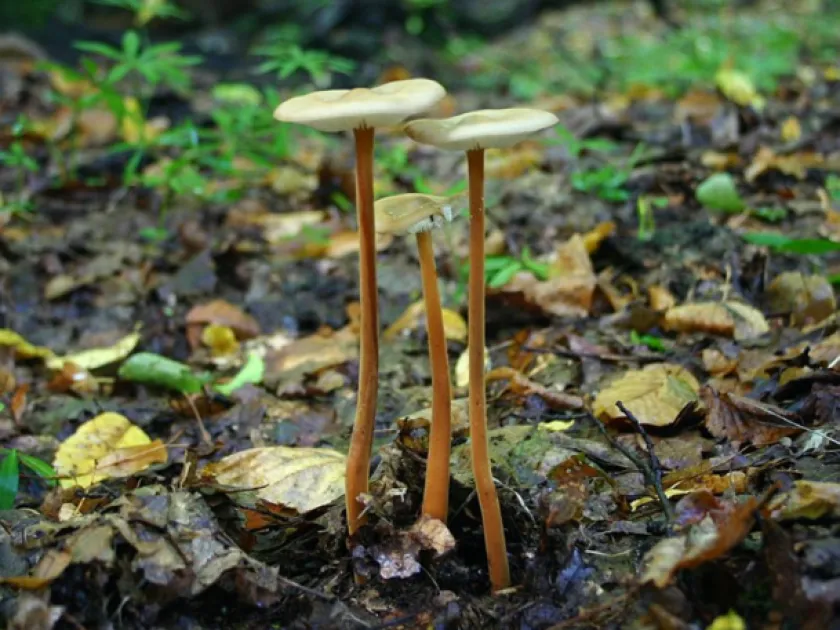
Description
Symptoms
The most prominent sign of infestation is the appearance of clusters of small, fungal fruit bodies on the trunk, branches, or root flares. These are usually visible during humid seasons or following wet weather.
Internally, the wood becomes discolored, typically turning bleached or white. As the fungus consumes the lignin, the structural integrity of the wood is compromised, resulting in a soft, pulpy consistency.
Tree canopy symptoms often include premature yellowing of leaves, thinning foliage, and dieback of branches. This indicates that the tree's internal vascular system is being obstructed by the fungal colonization.
Upon removing sections of the bark, one might find white, cord-like fungal structures known as rhizomorphs. These structures spread beneath the bark, actively extracting nutrients and inhibiting the tree's vital functions.
Severe infestations lead to a noticeable loss of mechanical strength in the trunk, making the affected trees prone to breakage or windthrow even during moderate weather conditions.
Pathogen
Clitocybula familia is a species of fungus in the Marasmiaceae family. While primarily recognized as a saprotrophic organism that decomposes dead organic matter, it can also behave as a facultative parasite, attacking stressed or weakened woody plants.
As a xylotroph, the fungus specializes in breaking down the structural components of wood. It produces specific extracellular enzymes that degrade lignin and cellulose, effectively softening the woody tissue and rendering it structurally unstable.
The pathogen spreads through basidiospores. These spores are dispersed by wind or insects and can settle in cracks, wounds, or exposed areas of a tree’s bark, where they germinate to form a colonizing mycelium.
The type of decay induced is classified as white rot. The fungus selectively digests the lignin, causing the wood to lose its characteristic color and strength, eventually becoming spongy or fibrous in texture.
The species is named for its growth pattern; it typically produces clustered fruit bodies that grow in dense groups or families on rotting wood surfaces, signaling the presence of an established mycelial network.
Conditions for development
High humidity and consistent moisture are critical for the growth and reproduction of Clitocybula familia. Persistent rainfall or damp microclimates encourage the rapid development of the mycelium.
Mechanical injuries serve as the primary entry point for the pathogen. Damage from pruning, storm damage, pest attacks, or physical trauma to the bark provides an ideal path for the spores to reach the vulnerable inner tissues.
Trees under stress from drought, extreme temperature fluctuations, or nutrient deficiencies are significantly more susceptible to colonization, as their natural immune responses are weakened.
Densely planted areas often suffer from poor air circulation, which maintains a moist environment around tree trunks and branches, creating optimal conditions for fungal development.
The fungus thrives within a moderate temperature range, generally between 15°C and 25°C, which aligns with the peak growing season for most temperate tree species.
Why it matters
The primary harm caused by Clitocybula familia is the irreversible structural degradation of the tree. The weakening of the trunk or root system poses a severe safety risk due to the potential for tree failure.
The disruption of vascular tissues impairs the tree's ability to transport water and minerals, leading to overall decline, stunted growth, and potential death of the affected plant.
In orchards, the presence of this fungus leads to reduced yields and loss of asset value as trees must be culled to prevent the further spread of the infection to healthy specimens.
The accumulation of spores from fruit bodies poses a continuous threat to the health of surrounding vegetation, potentially leading to a localized outbreak within the plantation or forest area.
Managing the impact of the disease is labor-intensive, often requiring the professional removal of hazardous trees, which incurs significant costs for property owners and forest managers.
Protection
Effective management begins with strict sanitation practices, including the prompt removal and disposal of all branches or tree parts showing symptoms of fungal colonization or decay.
All pruning cuts and accidental bark wounds should be treated with appropriate sealants, such as pruning paint or fungicidal pastes, to create a physical barrier against spore infiltration.
Promoting tree health through proper irrigation and nutrient management is essential, as healthy trees possess more robust defense mechanisms against fungal pathogens.
Regular inspections are necessary to identify the early stages of infestation. If fruit bodies are observed, they should be mechanically removed and destroyed immediately to minimize spore dispersal.
Preventative applications of copper-based fungicides during the dormant season can help protect trees that have suffered minor damage, reducing the risk of successful fungal infection.
Discussion
No discussions yet — be the first.